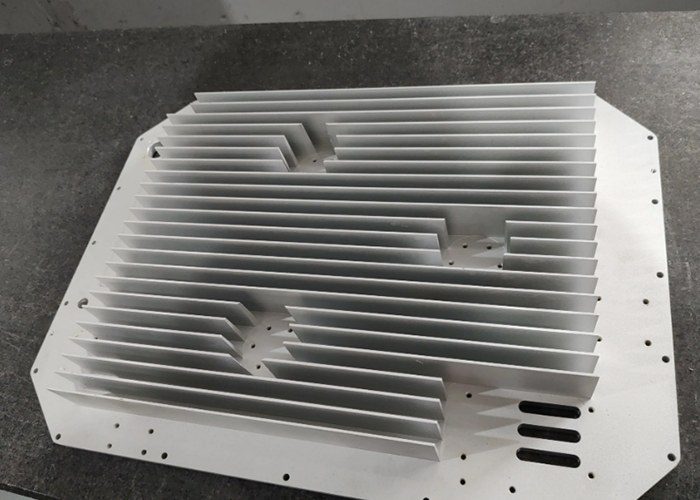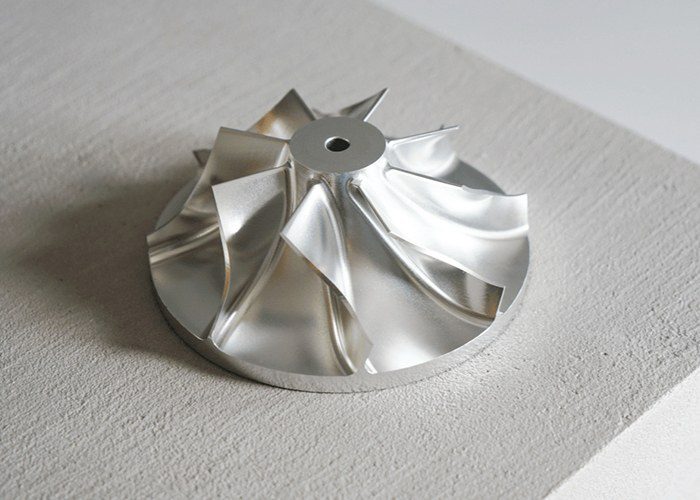
In an era where product differentiation and performance optimization define industrial success, custom CNC metal parts have emerged as the backbone of modern manufacturing. Unlike standard off-the-shelf components governed by national or international specifications, custom metal parts are engineered for a single purpose—every feature, alloy, tolerance, and finish is designed to meet exact application requirements. This bespoke approach to metalworking has transformed industries ranging from aerospace and medical devices to automotive and electronics, enabling innovation that would otherwise be impossible.
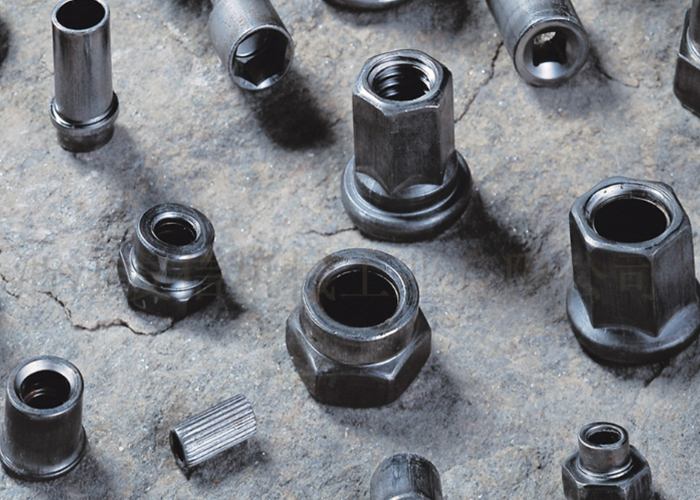
The CNC Advantage: Precision, Repeatability, and Flexibility
Computer Numerical Control (CNC) machining is a subtractive manufacturing process in which programmed instructions guide cutting tools to carve, drill, and shape metal workpieces with exceptional accuracy. Unlike manual machining, where every cut depends on human skill, CNC machining follows digital blueprints created from CAD models, ensuring every angle, curve, and measurement is executed with exact precision. This digital control minimizes human error, accelerates production, and delivers consistent results across thousands of parts.
The global CNC metal cutting machine tools market was valued at approximately $107.09 billion in 2025, with a projected compound annual growth rate of 10.2% through 2034. This remarkable growth reflects the technology’s indispensability in holding tight tolerances, machining challenging materials like titanium and nickel alloys, and producing lighter, smarter, and more compact components.
Materials That Matter
The versatility of custom CNC machining is perhaps best demonstrated by the wide range of materials it can process. Aluminum alloys—particularly 2024, 6061, 6063, and 7075—are favored for their excellent strength-to-weight ratio and superior machinability. More than 70% of key components in industrial robots are made from aluminum alloys, and the material is ubiquitous in aerospace structural components, automotive parts, and electronic enclosures.
Stainless steels, including 300 and 400 series as well as 15-5 and 17-4 grades, offer exceptional corrosion resistance and durability, making them ideal for medical devices, food processing equipment, and marine applications. Titanium delivers an unmatched strength-to-weight ratio and corrosion resistance for aerospace and medical implants. For extreme environments, exotic alloys such as Inconel 718, Ti-6Al-4V, and other superalloys can be machined to precise specifications.
Across Industries: Where Custom CNC Excels
The aerospace sector depends on custom CNC metal parts for safety-critical components—landing gear parts, engine components, structural brackets, and precision spacers—all requiring tolerances as tight as 0.0001 inches. In the medical device sector, CNC machining produces critical components, including orthopedic implants, surgical instruments, and MRI machine parts, where stringent quality control and end-to-end traceability are non-negotiable. The automotive and electric vehicle industries rely on CNC for rapid design changes, prototype runs, and production of engine components, gears, and braking systems. Even electronics, oil and gas, defense, and agriculture sectors depend on custom-machined parts for miniaturized connectors, drill components, weapon systems, and precision farming equipment.
Quality at Every Step
Achieving the exceptional precision demanded by these industries requires rigorous quality control. Standard CNC machining tolerances typically fall within ±0.05 mm, while critical aerospace and medical components routinely hold ultra-tight tolerances down to ±0.005 mm. Surface finish requirements are equally stringent—roughness parameters influence friction, wear, sealing integrity, and fatigue life, particularly in applications where material interactions are critical.
Advanced quality assurance tools, including on-machine laser scanning, coordinate measuring machines (CMM), and CT scanning, validate every aspect of a part’s geometry. First-article inspection reports, in-process statistical process control, and comprehensive final documentation ensure full traceability from raw material to finished component.
The Future of Custom CNC Manufacturing
The custom CNC metal parts industry is undergoing a radical reinvention. Artificial intelligence and machine learning algorithms enable smarter process control, real-time tool path optimization, and predictive maintenance that anticipates machine failures before they occur. Hybrid manufacturing—combining additive processes like 3D printing with subtractive CNC machining—provides superior solutions for complex-structured parts. Digital thread integration across the supply chain connects engineers, suppliers, and manufacturers, turning CAD files into finished parts in days rather than weeks.
As the global precision machining market is projected to reach $193.7 billion by 2030, custom CNC metal parts will continue to drive innovation across every sector of the economy. Whether for a one-off prototype, a low-volume production run, or full-scale manufacturing, custom CNC machining delivers the precision, repeatability, and flexibility that modern engineering demands—turning digital designs into tangible reality, one precisely machined part at a time.