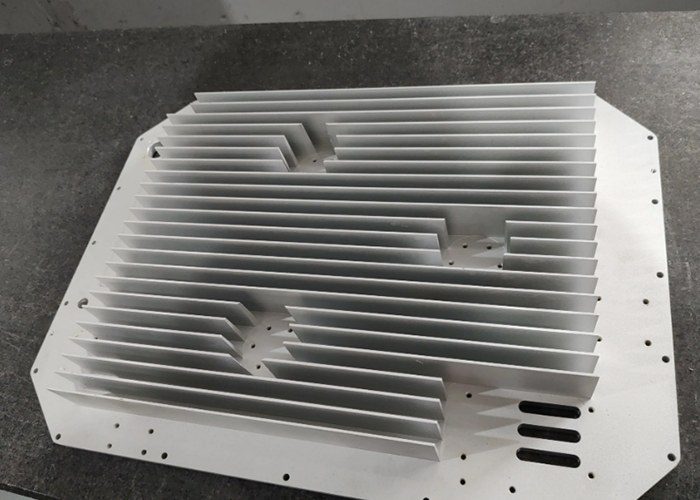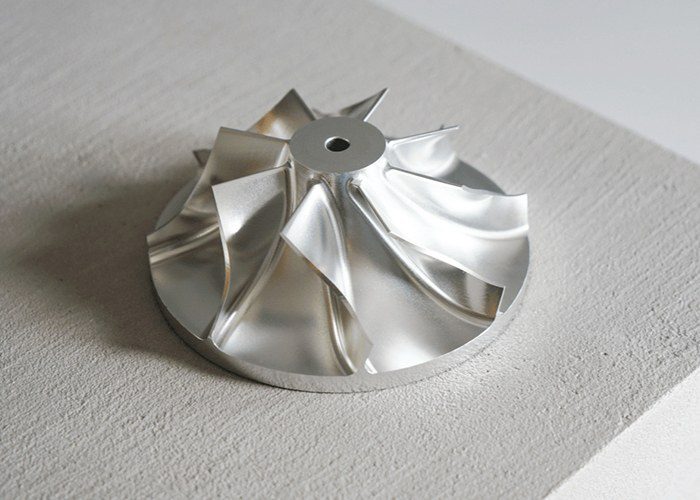
In the modern manufacturing landscape, few processes offer the combination of precision, efficiency, and versatility found in custom CNC turning. From the smallest medical implant to critical aerospace components, custom CNC turned parts are the unsung heroes powering industries worldwide. This article explores the fundamentals, advantages, applications, and future of this essential manufacturing technology.
Understanding the CNC Turning Process
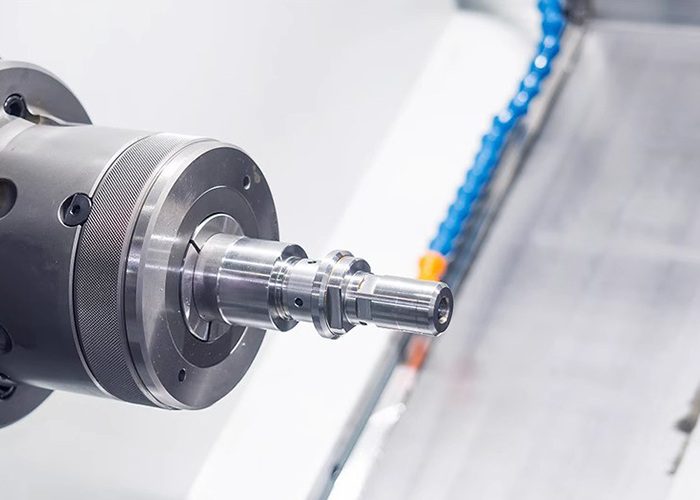
CNC turning is a subtractive manufacturing process that uses computer numerical control to shape cylindrical parts. Unlike CNC milling—where the cutting tool rotates while the workpiece remains stationary—CNC turning flips this dynamic: the workpiece rotates at high speed while a stationary cutting tool removes material to achieve the desired geometry.
The process begins with a cylindrical blank clamped into a chuck on a CNC lathe or turning center. As the workpiece spins at thousands of revolutions per minute, the cutting tool moves along linear axes—radially (X-axis) and lengthwise (Z-axis)—to carve out the programmed design. Modern CNC lathes typically operate in two stages: roughing passes quickly remove bulk material, followed by finishing passes that fine-tune details to exact specifications.
What sets custom CNC turning apart is its ability to produce parts with cylindrical and concentric features, including shafts, bushings, pins, gears, valves, and threaded components. Advanced multi-axis turning centers with live tooling can perform milling, drilling, and tapping operations in a single setup, eliminating the need for secondary processing.
The Advantages of Custom CNC Turned Parts
The growing demand for custom CNC turned parts stems from several compelling advantages:
Precision and Repeatability. CNC turning achieves exceptional dimensional accuracy, with tolerances as tight as ±0.0001 inches (±0.0025 mm). Because the process is computer-controlled, every part in a production run is identical—a critical requirement for industries where consistency is non-negotiable.
Speed and Efficiency. Automated tool changes, high-speed machining, and optimized cutting parameters significantly reduce cycle times compared to manual turning. Modern CNC turning centers can produce parts in as little as one day, making them ideal for both rapid prototyping and high-volume production.
Design Flexibility. Custom CNC turning can accommodate a vast range of geometries, from simple cylindrical shapes to complex profiles with threads, grooves, tapers, and off-axis features. With multi-axis capabilities, virtually any rotationally symmetrical component can be manufactured in a single operation.
Material Versatility. CNC turning works with an extensive range of materials, including aluminum, steel, stainless steel, titanium, brass, copper, and exotic alloys like Inconel® and Monel®. Engineering plastics such as acetal, nylon, PEEK, PTFE, and polycarbonate are also commonly machined.
Applications Across Industries
The versatility of custom CNC turned parts makes them indispensable across virtually every industrial sector:
- Aerospace. The aerospace industry demands components that can withstand extreme temperatures, pressures, and forces. CNC turned parts such as turbine fittings, hydraulic connectors, engine shafts, and landing gear components are manufactured to the highest precision standards.
- Automotive. From pistons and crankshafts to transmission gears and chassis components, CNC turning produces parts that enhance vehicle performance, safety, and efficiency. The ability to produce both high-volume standard parts and custom components for specialized vehicles makes this process invaluable to the automotive sector.
- Medical Devices. Surgical instruments, implantable devices, and diagnostic equipment rely on CNC turned parts with exceptional surface finishes and tight tolerances. The medical industry’s stringent quality requirements make CNC turning the preferred manufacturing method for critical components.
- Oil and Gas, Electronics, and More. Custom CNC turned parts are integral to a broad spectrum of industries, including hydraulic systems, pneumatic fittings, semiconductor equipment, defense hardware, and general industrial machinery.
From Prototype to Production
Custom CNC turning services offer remarkable scalability. Whether engineers need a single functional prototype for testing or millions of parts for mass production, CNC turning delivers consistent quality at every volume. Rapid prototyping capabilities allow teams to test designs quickly and iterate without long lead times. Once designs are validated, the same CNC programs can be used for full-scale production, ensuring a seamless transition from development to manufacturing.
Quality Assurance and Certification
Quality control is paramount in custom CNC turning. Reputable manufacturers employ rigorous inspection protocols, including coordinate measuring machines (CMM), optical inspection systems, and automated in-process monitoring. Many facilities hold ISO 9001:2015 and AS9100D certifications, demonstrating their commitment to quality management and aerospace-grade standards.
The Future of CNC Turning
The custom CNC turning industry is poised for significant growth. The precision turned product manufacturing market was valued at USD 96.7 billion in 2025 and is projected to reach USD 187.6 billion by 2034. Key trends driving this expansion include the increasing adoption of multi-axis turning centers, rising demand for tight-tolerance components, and growing automation in manufacturing processes.
Fully automatic CNC systems already hold 72% of the turning machine market share, with projections showing continued growth. The integration of in-process measurement, real-time sensor monitoring, and AI-driven quality control is making CNC turning faster, more precise, and more cost-effective than ever before.
Conclusion
Custom CNC turned parts represent the intersection of precision engineering, manufacturing efficiency, and design freedom. As industries continue to push the boundaries of what’s possible, CNC turning remains a foundational technology—one that transforms raw materials into the critical components that power modern life. Whether in the skies, on the road, or in the operating room, custom CNC turned parts are everywhere, quietly enabling progress with every revolution.