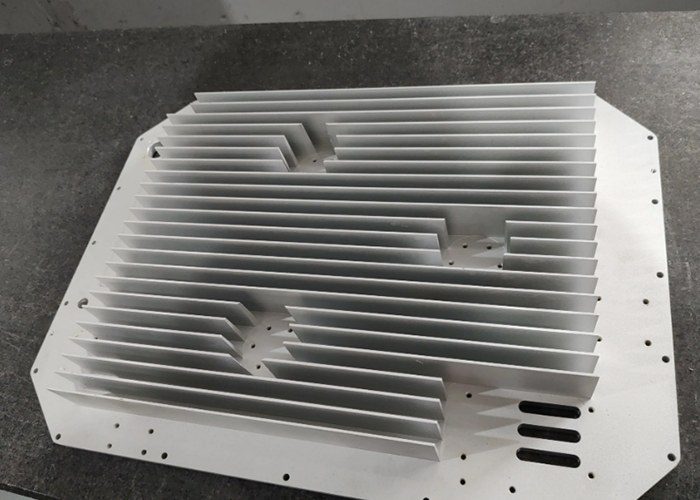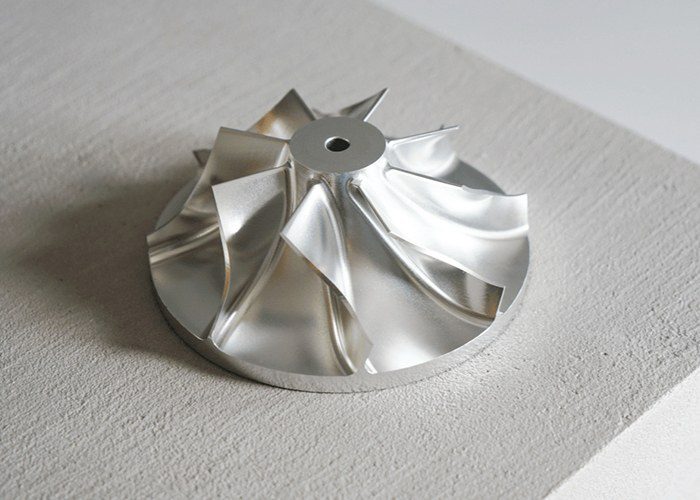
In the modern manufacturing landscape, the demand for components that are not only functional but also meticulously engineered to exact specifications has never been higher. Custom Computer Numerical Control (CNC) precision parts stand at the forefront of this industrial revolution, serving as the critical building blocks for some of the most advanced technologies in the world. These are not off-the-shelf components; they are bespoke solutions, crafted through subtractive manufacturing processes to achieve tolerances measured in microns, where a single fraction of a millimeter can determine the success or failure of an entire system.
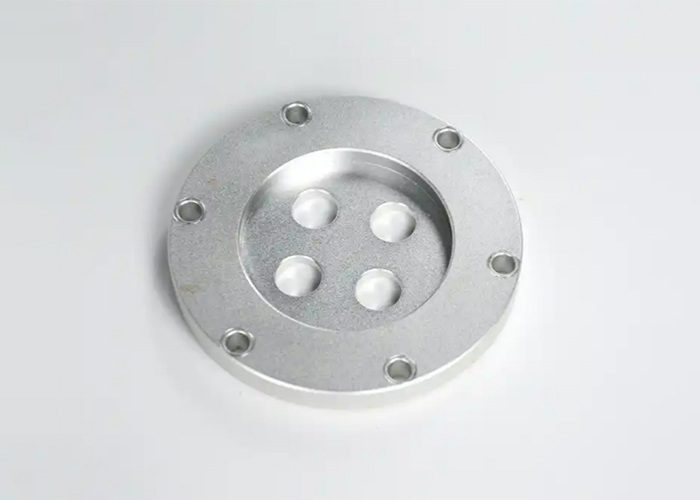
The Technology Behind the Precision
At its core, custom CNC machining is a process where pre-programmed computer software dictates the movement of factory tools and machinery. This digital control allows for the creation of complex three-dimensional shapes that would be nearly impossible to achieve with manual machining. The technology encompasses a variety of processes, including milling, turning, grinding, and electrical discharge machining (EDM), each suited for different geometries and material requirements. The goal is always the same: to remove material from a solid block or workpiece to reveal a final part that adheres to stringent geometric and dimensional specifications.
Critical Applications Across Industries
The versatility and precision of custom CNC parts make them indispensable across a spectrum of high-stakes industries. In aerospace and defense, these components form the backbone of mission-critical systems, from satellite brackets to the intricate blades of jet engines, where they must endure extreme pressure, vibration, and temperature. The medical device sector relies on CNC machining to produce surgical instruments, orthopedic implants, and dental components that must meet stringent health and safety standards, with no room for surface defects that could compromise sterility. In the automotive industry, CNC machining produces high-precision engine blocks, transmission components, and suspension systems where misalignment can lead to inefficiency and premature wear. Furthermore, the technology is vital for electronics, robotics, and industrial machinery, where the demand for consistent, repeatable motion and tight electrical interference control is paramount.
A World of Materials
One of the greatest advantages of custom CNC precision parts is the wide array of materials that can be processed. Manufacturers can work with everything from lightweight and easily machined aluminum alloys to high-strength stainless steel and titanium alloys favored in high-performance applications. The process is equally adept with engineering plastics like PEEK, ABS, and Nylon, offering versatility for applications requiring specific properties such as chemical resistance or electrical insulation. This material flexibility allows engineers to select the optimal substance for a part’s functional requirements, be it strength, durability, corrosion resistance, or weight reduction.
The Clear Advantages of Customization
Choosing custom CNC machining over standard parts offers several distinct benefits. First and foremost is unmatched precision. CNC machines can achieve extremely tight tolerances, ensuring that every part is identical and performs as intended. This accuracy also minimizes human error, reduces material waste, and leads to more cost-effective production. The process is highly scalable, capable of producing a single prototype just as efficiently as a large production run, which reduces lead times and accelerates speed-to-market. Manufactured to superior standards, these parts deliver exceptional durability and consistency, which directly translate into extended operational lifespans and significantly reduced replacement rates.
The Future is Intelligent and Connected
The industry is not static; it is being reshaped by powerful technological trends. By 2026, AI-native machining is moving from experimental to mainstream, with AI systems using real-time sensor feedback to automatically adjust cutting parameters, leading to more consistent quality and less tool wear. Digital twins—virtual replicas of the physical machining process—are becoming the production backbone, allowing for virtual commissioning and error detection long before the first chip is cut. Furthermore, hybrid manufacturing, which combines additive processes (like 3D printing) with subtractive CNC cutting, is gaining traction for creating complex geometries and reducing material waste. Sustainability is also becoming a core metric, with a focus on reducing waste and energy consumption.
In conclusion, custom CNC precision parts are far more than simple metal or plastic pieces. They are the product of a sophisticated interplay between advanced software, high-performance machinery, and expert craftsmanship. As industries continue to push the boundaries of innovation, the role of these precisely engineered components will only grow, enabling the next generation of breakthroughs in aerospace, medicine, automotive, and beyond. The global market for these parts, valued at billions, is projected to grow significantly, driven by an insatiable demand for precision engineering across all sectors of the modern economy.