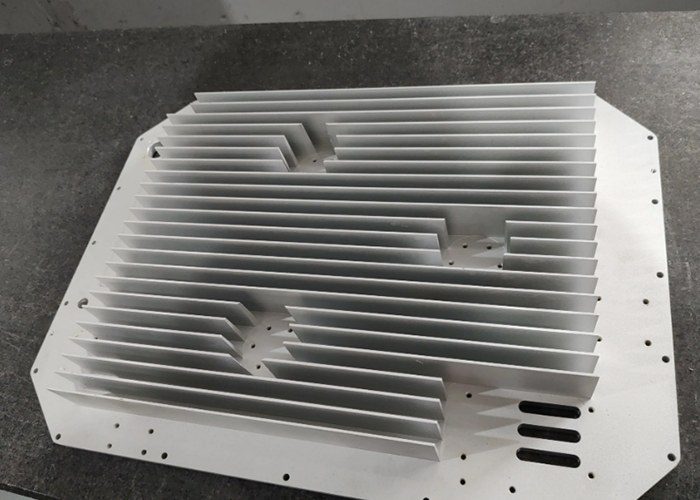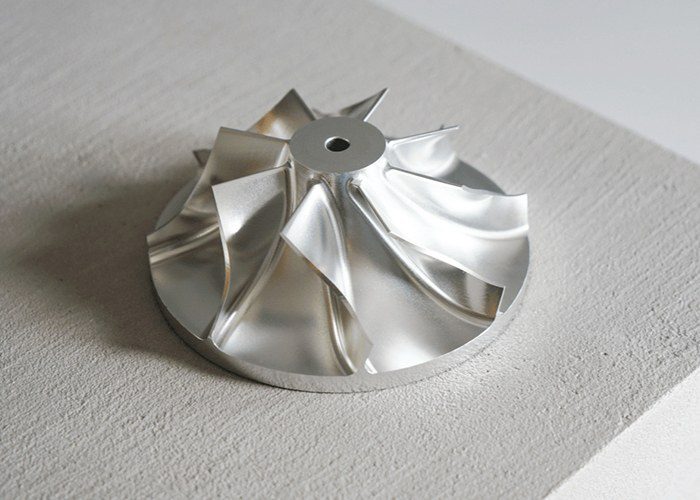
In the landscape of contemporary industrial production, few technologies have proven as transformative as Computer Numerical Control (CNC) machining. This subtractive manufacturing process, guided by pre-programmed computer software, has become the standard method for producing precision metal components across virtually every advanced industry. From the titanium alloys that soar through the stratosphere in aircraft engines to the surgical stainless steel that saves lives in operating rooms, CNC machining precision metal parts represents the intersection of digital intelligence and physical craftsmanship—a synergy that continues to redefine what is possible in modern manufacturing.
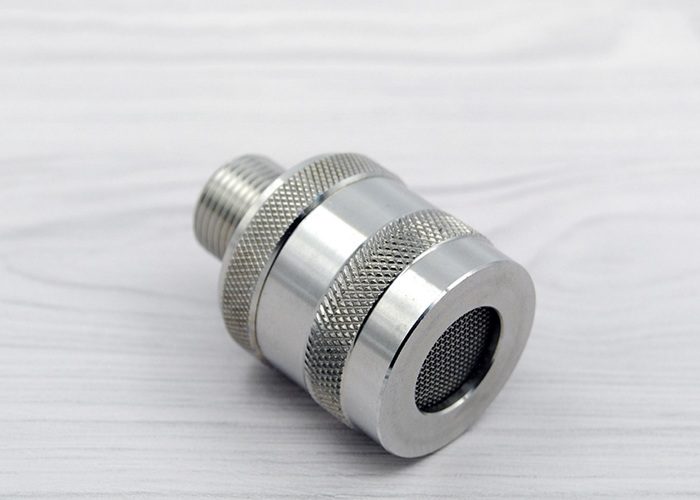
Understanding the CNC Machining Process
At its core, CNC machining is a subtractive manufacturing technology that uses computer-controlled cutting tools to remove material from solid metal stock, producing parts with exacting dimensions and complex geometries. The process begins with a digital CAD (Computer-Aided Design) model, which is converted into G-code—the machine-readable language that directs every movement of the cutting tools. This digital blueprint guides the machine through a series of precisely calculated tool paths, removing material layer by layer until the final part emerges.
The two primary methods of CNC machining are milling and turning. CNC milling employs high-speed rotating cutting tools to shape a stationary workpiece, operating along multiple axes to create everything from simple flat surfaces to intricate three-dimensional contours. Modern milling machines can operate on three, four, or even five axes simultaneously, enabling the production of complex geometries in a single setup. CNC turning, by contrast, rotates the workpiece while a stationary cutting tool shapes it—an ideal approach for cylindrical components such as shafts, bushings, and threaded parts. Advanced turn-mill centers combine both capabilities, reducing the number of setups required and improving overall accuracy.
The Pursuit of Precision
What distinguishes CNC machining from conventional manufacturing methods is its extraordinary precision. Modern CNC systems routinely achieve tolerances of ±0.01 millimeters or tighter. In high-end applications, micron-level accuracy—as fine as ±0.005 mm—is attainable. Achieving this level of precision, however, demands more than sophisticated machinery. It requires a deep understanding of thermal stability, tool deflection, and material harmonics. Metals expand and contract with temperature fluctuations; without a climate-controlled environment, even the most rigid machine cannot maintain consistent accuracy. The pillars of high-accuracy manufacturing—machine rigidity, quality tooling, and environmental stability—must work in concert to ensure predictable and repeatable results.
Surface finish quality is another critical dimension of precision. Standard machined finishes typically achieve Ra 3.2 μm, while fine finishes reach Ra 1.6 μm. By employing electropolishing, CNC-machined components for pharmaceutical and food processing achieve a surface finish of Ra ≤0.4 μm, ensuring full compliance with the rigorous GMP and EHEDG certification requirements.
Materials and Versatility
CNC machining demonstrates remarkable versatility in the range of materials it can process. Aerospace and medical applications frequently rely on titanium, prized for its exceptional strength-to-weight ratio and corrosion resistance. Stainless steel—particularly grades such as 316L—is the material of choice for medical devices, food processing equipment, and components requiring both corrosion resistance and high strength. Aluminum alloys, with their lightweight properties and natural corrosion resistance, are ubiquitous in automotive, aerospace, and consumer electronics applications. Beyond these, CNC machining accommodates engineering plastics such as PEEK and PTFE, superalloys like Inconel and Hastelloy, and copper alloys.
Industries Transformed by Precision CNC Machining
The impact of CNC precision machining spans a wide spectrum of industries, each with its own demanding requirements. In aerospace, the stakes could not be higher: aircraft components must withstand extreme conditions while maintaining absolute reliability. Engine components, structural parts, and complex surface geometries are all produced through multi-axis CNC machining, with tolerances that meet rigorous aerospace standards such as AS9100. Titanium alloys and high-temperature superalloys, notoriously difficult to machine, are rendered into precision components that ensure the safety and performance of aircraft and spacecraft.
The medical device industry represents another frontier where precision is not merely a specification but a matter of life and death. Surgical instruments, orthopedic implants, dental components, and implantable devices all require micron-level accuracy, impeccable surface finishes, and stringent batch-to-batch consistency. The ability to produce tiny, intricate parts with tight tolerances has enabled the development of minimally invasive surgical tools and customized implants that are transforming patient outcomes.
In automotive manufacturing, the shift toward electric vehicles has created new demands for precision machining. Electric powertrains, battery components, and lightweight structural frames require the kind of accuracy and repeatability that only CNC machining can deliver. Mass production capabilities, combined with high automation and consistent quality, make CNC machining indispensable for an industry that produces millions of vehicles annually.
Emerging Trends and the Future of CNC Machining
The precision machining market is experiencing robust growth, with the global market size estimated at USD 123.54 billion in 2025 and projected to reach USD 228.75 billion by 2033—a compound annual growth rate of 8.1%. This growth is fueled by rising demand for high-precision components across advanced industries and the accelerated adoption of CNC automation and smart manufacturing.
Automation is reshaping the CNC landscape. Modern CNC machines are increasingly integrated with robotic arms, automatic tool changers, and in-process measurement systems, enabling unattended, lights-out operations that run continuously with minimal human intervention. The concept of the smart factory—where CNC machines are part of a larger connected ecosystem, monitored and optimized in real time through sensors and software—is rapidly becoming a reality.
Five-axis machining is another transformative trend. By enabling complex geometries to be completed in a single setup, five-axis machines eliminate the cumulative errors that occur when parts are repositioned. This capability is particularly valuable for aerospace, automotive, and medical applications where intricate designs and uncompromising accuracy are paramount.
Software advancements are equally significant. Modern CNC programming software can simulate entire machining processes before a single chip is cut, allowing engineers to visualize potential problems and optimize tool paths. Artificial intelligence and machine learning are increasingly embedded into machining workflows to predict tool wear, optimize cutting parameters, and reduce scrap rates.
Sustainability is emerging as a core concern. Manufacturers are adopting energy-efficient components, environmentally friendly coolants, and advanced software that recommends optimal cutting paths to minimize material waste. The integration of additive manufacturing with CNC machining—using 3D printing to create near-net shapes that are then finished with CNC precision—is opening new possibilities for producing complex parts that would be difficult or impossible with either method alone.
Conclusion
CNC machining precision metal parts stands as a testament to human ingenuity—a technology that transforms digital designs into physical reality with extraordinary accuracy and consistency. From the depths of the ocean to the edge of space, from the human body to the vehicles that move us, precision CNC components are everywhere, often unseen but always essential. As automation, artificial intelligence, and sustainable practices continue to reshape the manufacturing landscape, CNC machining will undoubtedly remain at the forefront—the backbone of modern industrial production, constantly evolving to meet the demands of an ever more sophisticated world.