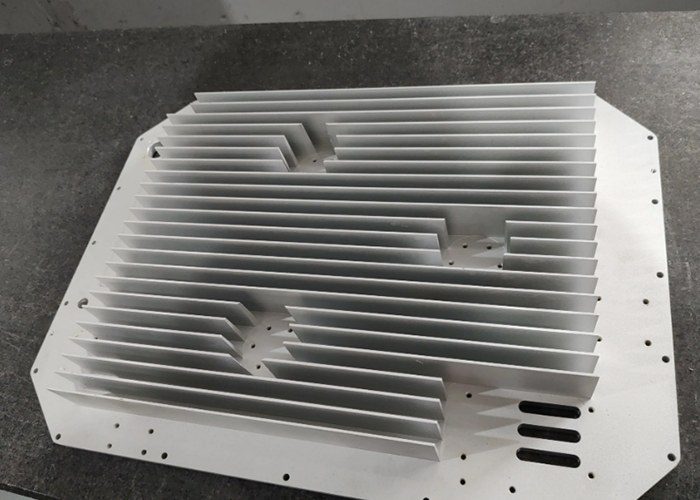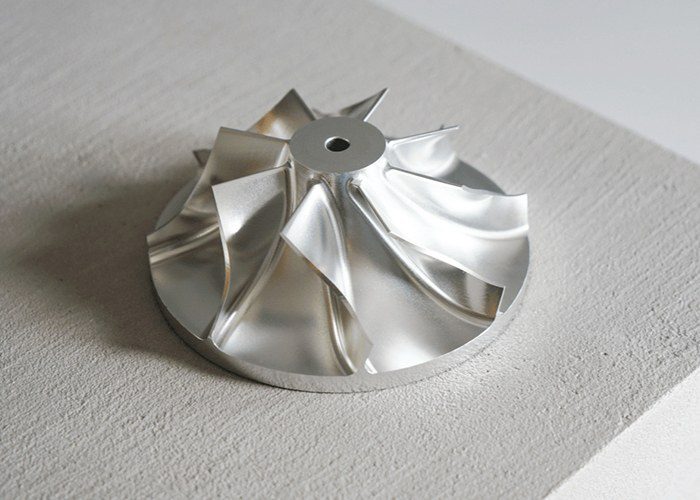
In an era where uniqueness and precision dominate manufacturing demands, custom CNC milling machining stands as a cornerstone of modern industrial capability. This advanced subtractive manufacturing process—guided by computer numerical control—has transformed how industries approach production, offering tailor-made solutions that meet exacting specifications with unparalleled accuracy. From aerospace components to medical implants, custom CNC milling has become indispensable for engineers, innovators, and manufacturers who demand nothing less than perfection.
Understanding Custom CNC Milling
CNC stands for Computer Numerical Control, referring to the automated control of machining tools through computer programs. Custom CNC milling takes this technology a step further, tailoring the process to meet the unique specifications of a specific part or component—often one that cannot be easily manufactured through conventional methods or standard mass-production tooling. Rather than relying on molds or dies, which require significant setup and are best suited for high volumes, custom machining carves a part out of a solid block (or billet) of material. The computer code guides the tool’s movements with exceptional precision, ensuring consistent results even for the most complex geometries.
The Workflow: From Digital Design to Physical Part
The custom CNC milling operation follows a carefully orchestrated sequence that commences well ahead of the actual material removal. First, engineers create a detailed 3D model of the desired component using CAD (Computer-Aided Design) software, specifying every dimension, feature, and tolerance. This digital design is then imported into CAM (Computer-Aided Manufacturing) software, where toolpaths, cutting parameters, and machining strategies are defined. The CAM system generates G-code—the programming language that CNC machines understand.
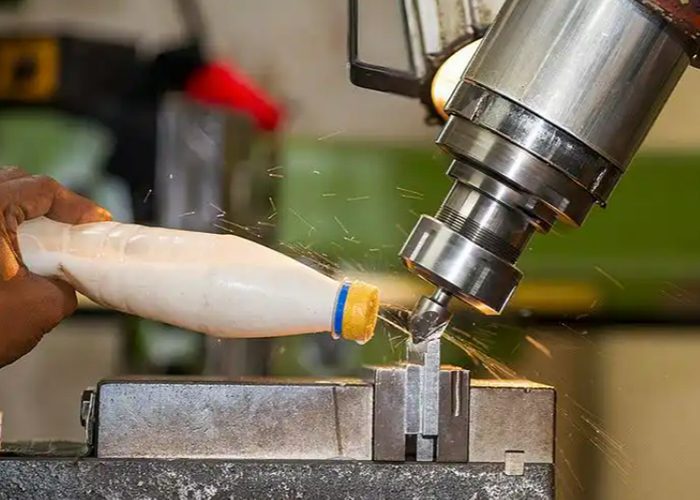
Once the program is ready, the raw material is loaded into the CNC milling machine. The machine follows the G-code line by line, controlling spindle rotation, axis movements, tool changes, and coolant flow. The rotating cutting tool selectively removes material from the solid block, transforming it into the finished component. Modern CNC milling machines can achieve tolerances as tight as ±0.005 mm and surface finishes up to Ra 0.8 μm. In high-precision environments, tolerances within a few microns are achievable, depending on feature geometry, fixturing rigidity, and process control. Throughout the process, sensors and feedback systems monitor tool position and cutting conditions to ensure accuracy. Once the cycle is complete, the finished part is inspected for dimensional accuracy and surface finish.
The Technological Spectrum: Machine Configurations
CNC milling machines come in various configurations to meet specific manufacturing requirements. Vertical machining centers (VMCs), where the spindle is oriented vertically, are the most common type. Horizontal machining centers (HMCs) excel at high-volume production and oversized heavy parts. The axis configuration determines the machine’s capabilities: 3-axis machines machine from above, while 4-axis and 5-axis machines add rotational movement, enabling complex components to be machined in fewer setups. Modern CNC mills support 3/4/5-axis machining, enabling high-precision production of complex surfaces, helical grooves, undercuts, and irregular parts. For example, 5-axis CNC milling can simultaneously machine four or five faces, commonly used for complex aerospace turbine blades and medical implants—designs that are impossible with traditional manual or single-axis equipment.
The Advantages of Custom CNC Milling
The primary advantage of custom CNC milling is its ability to produce parts tailored exactly to a client’s specifications—from dimensions and shapes to materials and finishes. This level of customization enables manufacturers to achieve detail and precision that standard machining methods cannot match.
Precision and Consistency stand at the forefront. CNC milling achieves tolerances up to ±0.01 mm, ensuring that every part strictly meets design specifications. Using computer-controlled programs, tool paths are precisely managed, significantly reducing human error. Part repeatability can reach over 99%. In high-precision industries like aerospace and medical devices, such precision and consistency are critical for ensuring product reliability and safety.
Material Versatility is another hallmark. CNC mills are compatible with a wide range of materials, including aluminum, stainless steel, titanium and its alloys, as well as engineering plastics (e.g., ABS, nylon, PEEK) and composites (e.g., carbon fiber, fiberglass). Optimal cutting tools and parameters are dictated by the workpiece material’s hardness, thermal expansion coefficient, and stress resistance.
Efficiency and Speed further distinguish CNC milling from traditional methods. Through high-speed cutting and automatic tool changes, CNC milling machines can operate continuously 24/7. For example, a standard aluminum part that might take several days with conventional milling can be machined in just 1–2 hours. This efficiency translates to reduced lead times, lower labor costs, and the ability to handle both small-batch prototypes and large-scale orders.
Waste Reduction contributes to both cost savings and sustainability. By precisely controlling the manufacturing process, custom CNC machining minimizes material waste. Traditional methods often require large amounts of raw material that end up discarded. The accuracy of CNC machining minimizes errors and defective parts, further reducing waste.
Applications Across Industries
The applicability of custom CNC milling spans numerous industries, each benefiting from the ability to produce parts that meet rigorous specifications. In the aerospace industry, components must withstand extreme conditions while remaining lightweight—CNC milling produces engine mounts, fuel flow components, and landing gear parts with the precision necessary to ensure safety and performance. For medical device manufacturers, custom CNC machining produces intricate parts like orthopedic implants and surgical instruments with the high cleanliness and precision these items require. The capability to work with biocompatible materials further highlights its importance in the medical field. The automotive industry benefits significantly from producing durable, high-performance parts such as gearbox components, pistons, and custom fixtures. CNC machining’s adaptability allows for experimentation and optimization of designs for better performance. Other sectors, including defense, electronics, and industrial equipment, similarly rely on custom CNC milling for their precision component needs.
Prototyping to Production
One of the most valuable aspects of custom CNC milling is its scalability. Whether a client requires a single prototype for functional testing or a production run of 100,000 parts or more, CNC milling delivers consistent quality at every stage. This flexibility makes it particularly valuable for product development, where designs evolve rapidly and the ability to iterate quickly is essential.
Conclusion
Custom CNC milling machining represents the convergence of digital design, advanced materials science, and precision engineering. Its ability to produce complex, high-accuracy components from a vast array of materials makes it indispensable across industries that demand reliability, performance, and innovation. As manufacturing continues to evolve toward greater customization and efficiency, custom CNC milling will undoubtedly remain at the forefront—transforming digital designs into physical realities with speed, precision, and unwavering quality.