In today’s hyper-competitive manufacturing landscape, equipment downtime is measured in dollars per minute — and in some cases, hundreds of thousands of dollars per hour. When a critical component fails, waiting weeks for an off-the-shelf replacement that may not even fit properly is no longer an option. This is where custom CNC machining spare parts have emerged as the strategic solution that keeps industrial operations running, optimizes performance, and delivers measurable long-term value.
What Are Custom CNC Machining Spare Parts?
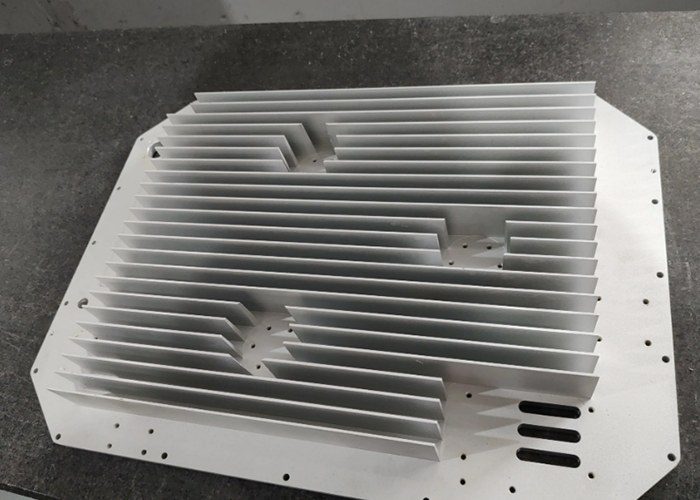
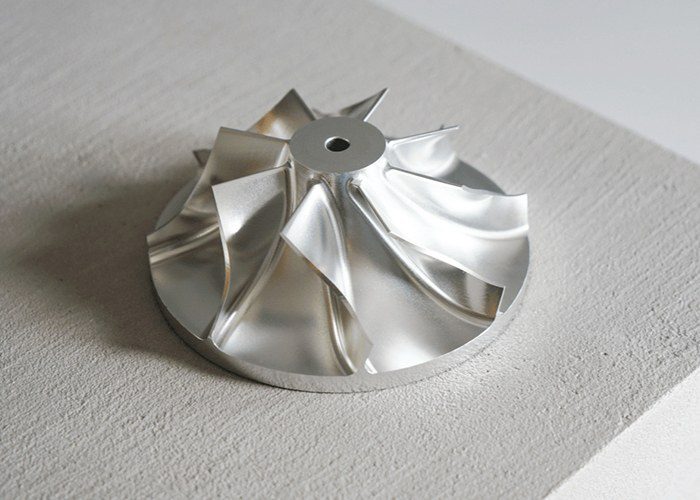
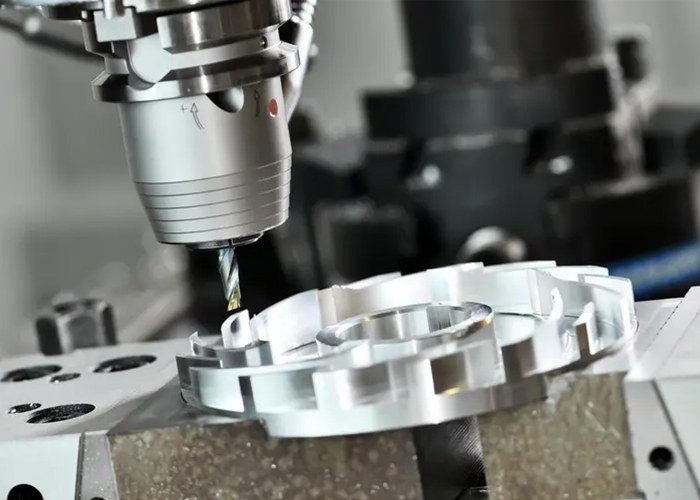
Custom CNC machining spare parts are precision-engineered components manufactured through computer numerical control (CNC) processes — including milling, turning, drilling, and grinding — to meet exact client specifications. Unlike mass-produced catalog items, these parts are produced on-demand from digital CAD/CAM files, allowing manufacturers to create components with intricate geometries, tight tolerances, and specific material properties that generic parts simply cannot provide. From step shafts and spline shafts to sleeves, cylinders, and complex housings, custom CNC machining transforms raw materials into mission-critical spare parts tailored to the unique demands of each application.
The Strategic Advantages of Customization
The case for custom CNC machining spare parts extends far beyond simple replacement. When evaluated through the lens of total cost of ownership, customization consistently delivers superior ROI compared to off-the-shelf alternatives.
Precision Engineering: CNC machines routinely achieve tolerances as tight as ±0.005 mm to ±0.01 mm, ensuring that every spare part fits and functions exactly as intended. In industries where even a 0.01 mm deviation can lead to wear, leakage, or catastrophic failure, this level of accuracy is non-negotiable. Modern multi-axis CNC systems can hold hole position tolerances of ±0.005–0.008 mm and surface finishes as fine as Ra 0.2–0.4 μm — performance metrics that catalog parts simply cannot match.
Material Versatility: Custom CNC machining supports an extensive range of materials, from aluminum alloys and stainless steel to titanium, brass, and advanced engineering plastics like PEEK and ABS. This material flexibility allows engineers to select the optimal combination of strength, corrosion resistance, weight, and biocompatibility for each specific application. For medical implants, titanium offers biocompatibility and heat resistance; for aerospace brackets, aluminum provides an exceptional strength-to-weight ratio; for heavy-duty industrial machinery, carbon steel delivers the necessary durability.
On-Demand Production and Scalability: Custom CNC parts can be produced in any quantity — from a single prototype to full production runs — and digitally stored for instant reordering. This eliminates the need for costly inventory holding and protects against supply chain disruptions when OEMs discontinue components without notice. The flexibility of CNC machining also means that design improvements can be implemented immediately by simply updating the digital program, rather than retooling an entire production line.
Critical Applications Across Industries
The impact of custom CNC machining spare parts spans virtually every sector of industrial manufacturing.
In aerospace, custom-machined components must withstand extreme conditions while maintaining the lightest possible weight. Turbine blades require micron-level tolerances, and CNC technology is the cornerstone that makes this achievable. Engine mounts, fuel flow components, and landing gear parts are all produced through custom CNC machining to ensure uncompromising safety and performance.
In automotive manufacturing, customized engine components significantly improve power system performance and durability. The industry relies on CNC machining for transmission components, suspension systems, and brake system parts that must meet rigorous IATF 16949 quality standards. Recent data shows strong rising global demand for custom CNC-machined shafts, milled brackets, and machined rollers across automotive, heavy equipment, and construction sectors.
In medical device manufacturing, custom CNC machining produces orthopedic implants, surgical instruments, and diagnostic equipment with the cleanliness, precision, and biocompatibility that patient safety demands. Custom titanium alloy implants can be tailored to better fit individual patient anatomy, significantly shortening recovery cycles.
In industrial automation, the shift toward customization is particularly pronounced. A 2025 Deloitte study revealed that unplanned downtime from off-the-shelf part failure costs manufacturers an average of $260,000 per hour. The International Federation of Robotics reports that the average number of custom-designed components per industrial robot rose from 8.3 in 2019 to 18.7 in 2024. A single six-axis collaborative robot now contains between 14 and 27 custom CNC machining parts.
Quality Assurance: The Foundation of Reliability
Quality control in custom CNC machining is not an afterthought — it is integrated into every stage of production. Reputable manufacturers implement three-stage quality control: incoming material inspection, in-process verification, and 100% final inspection before shipment. Coordinate measuring machines (CMMs), digital calipers, micrometers, and thread gauges are used throughout production to catch any deviation before it becomes a problem. This rigorous approach, often backed by ISO 9001 or AS9100 certifications, ensures that every custom spare part meets or exceeds OEM specifications.
The Future of Custom Spare Parts Manufacturing
As Industry 4.0 continues to reshape manufacturing, custom CNC machining spare parts are evolving with advanced simulation tools, real-time manufacturability feedback, and integrated digital quoting environments. The global remanufacturing market, valued at USD 79 billion in 2025, is projected to reach USD 185 billion by 2034, reflecting the growing recognition that custom precision components are not merely replacements — they are strategic assets that enhance performance, reduce downtime, and drive long-term profitability.
For manufacturers facing the reality of aging equipment, discontinued OEM parts, or the need for performance optimization, custom CNC machining spare parts offer a clear path forward: precision-engineered solutions that fit perfectly, perform reliably, and keep operations running at peak efficiency.