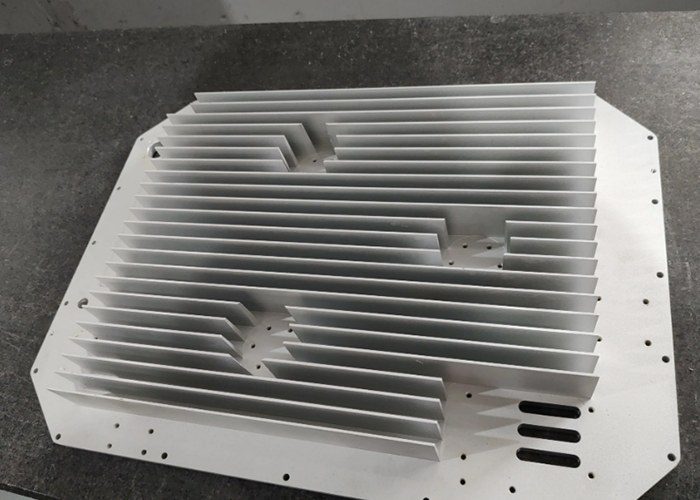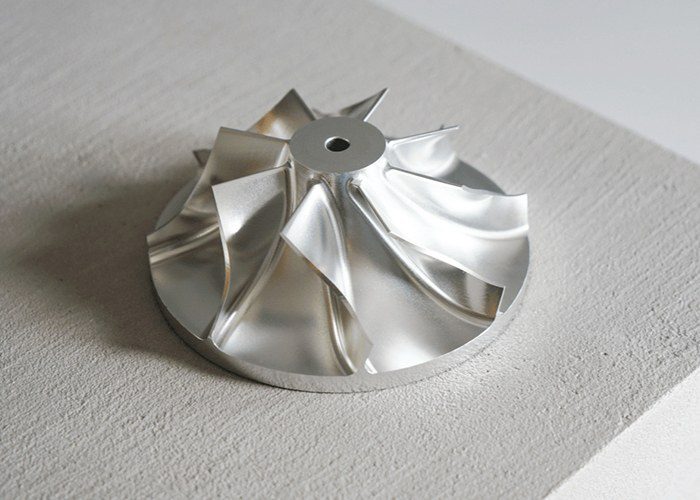
Computer Numerical Control (CNC) turning is one of the most fundamental and widely used manufacturing processes in modern industry. At its core, CNC turning involves rotating a workpiece at high speed while a stationary cutting tool removes material to create cylindrical, conical, or complex rotational shapes. Every precision-turned component, however, relies on a sophisticated machine of dozens of interacting parts—each essential for the accuracy, repeatability, and efficiency that define modern CNC turning. Understanding these equipment parts is essential not only for machine operators and maintenance personnel but also for anyone involved in precision manufacturing.
The Structural Foundation
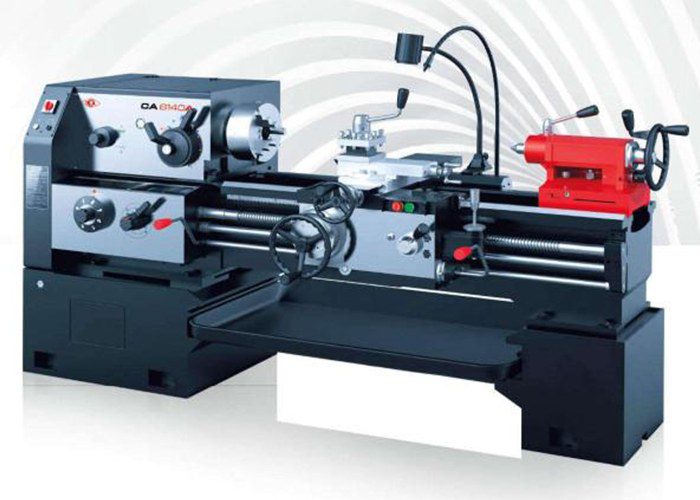
Every CNC turning machine begins with its bed—the heavy, rigid base that supports the entire structure. Typically made from high-quality cast iron or similarly robust materials, the bed absorbs cutting forces and resists vibration and thermal deformation. This foundation directly impacts machining quality, as even microscopic deflections can compromise dimensional accuracy. The bed also houses chip conveyors and coolant systems in many modern designs, making it far more than a simple platform.
Running along the bed are precision-ground ways or guide rails. These smooth surfaces allow the carriage and tailstock to slide with minimal friction, ensuring that tool movements remain true and consistent.
The Power and Rotation System
At one end of the bed sits the headstock, which contains the machine’s spindle assembly. Tasked with workpiece holding and rotation, the spindle must maintain exceptional precision to ensure accurate machining outcomes. Inside the headstock, high-grade bearings and drive systems enable consistent rotation at variable speeds. Built for heavy-duty machining, these robust spindles deliver the torque to cut tough materials—without sacrificing finish quality.
The chuck or collet attaches to the spindle and grips the workpiece securely. Three-jaw chucks are common for round or hexagonal stock, while four-jaw chucks accommodate irregular shapes. For smaller parts, collets provide an exceptionally precise fit. At the opposite end of the machine, the tailstock supports long workpieces, preventing bending or vibration during cutting. Many tailstocks feature live centers with bearings that rotate with the workpiece.
The Tooling and Movement System
The carriage moves along the bed’s ways, carrying the turret that holds multiple cutting tools. In modern CNC turning centers, the turret can rotate rapidly to switch tools automatically, dramatically reducing downtime. Advanced high-speed servo turrets enable faster cycle times and greater flexibility for complex part geometries. Tool holders secure cutting tools or inserts firmly in place, ensuring proper alignment and dimensional accuracy.
The cutting tools themselves—typically made from carbide, ceramic, or high-speed steel—are mounted on the carriage and advanced into the rotating workpiece. These single-point tools can feed longitudinally for turning operations or transversely for facing. Modern CNC turning centers preload multiple tools in the turret, allowing automatic changes between operations such as turning, facing, threading, boring, drilling, and grooving.
The Control and Drive System
The CNC control unit functions as the central processing hub for the entire system. It interprets programmed instructions—typically G-code generated from CAD/CAM software—and coordinates spindle rotation, tool movement, and feed rates with exceptional precision. User-friendly interfaces and high processing speeds allow operators to set up jobs quickly while maintaining tight tolerances.
Servo motors and ball screws translate digital commands into physical motion. The controller sends signals to the servo motors, which rotate high-precision ball screws to position the carriage and turret with microscopic accuracy. Feedback systems continuously track tool position, spindle load, vibration, and cutting forces, enabling real-time adjustments that maintain dimensional tolerances and detect potential issues before they cause scrap.
Supporting Systems and Maintenance
Beyond these core components, CNC turning equipment relies on numerous supporting systems. Coolant delivery systems manage heat generation, extend tool life, and improve surface finish. Chip removal conveyors keep the work area clear of debris. Lubrication pumps ensure smooth operation of moving parts.
Proper maintenance of these equipment parts is essential for long-term performance. Regular cleaning prevents debris accumulation that can lead to premature wear. Live tooling gears typically need replacement every one to two years with regular use. Understanding the role, selection, and maintenance protocols for CNC turning parts gives manufacturers a competitive edge, yielding increased efficiency, extended machinery lifespan, and superior product quality.
Conclusion
CNC turning equipment represents a symphony of precisely engineered parts working in harmony. From the cast-iron bed that provides stability to the spindle that delivers power, from the turret that enables rapid tool changes to the control system that orchestrates every movement, each component plays an indispensable role. As industries such as aerospace, automotive, medical devices, and renewable energy continue to demand tighter tolerances and higher productivity, the parts that comprise CNC turning equipment will only grow more sophisticated. For manufacturers seeking to harness the full potential of this essential technology, a deep understanding of these building blocks is not optional—it is fundamental.