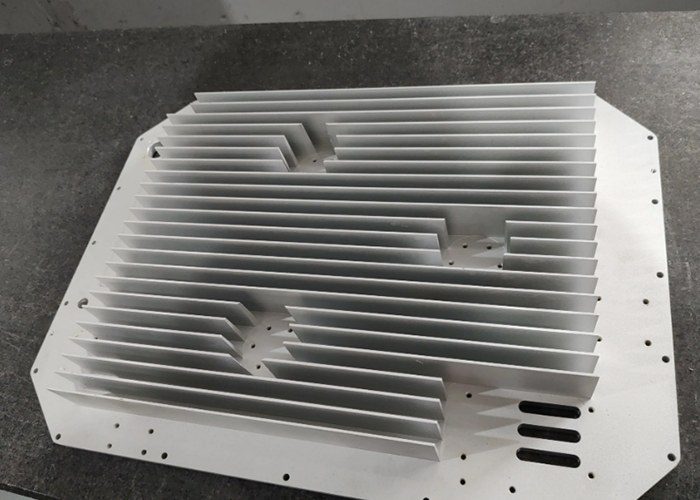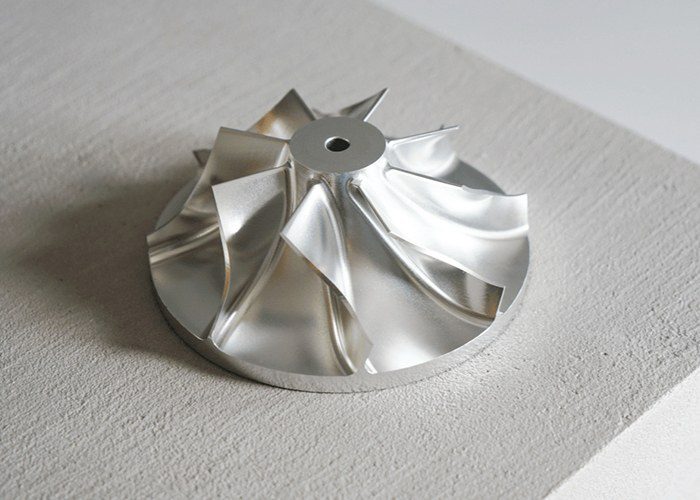
In today’s hyper-competitive manufacturing landscape, the ability to translate a unique idea into a flawless physical component is not just an advantage—it is a necessity. This is where the transformative power of custom CNC machining services comes into play, evolving from a niche industrial process into a cornerstone of modern innovation across virtually every sector. More than just a manufacturing method, it represents a paradigm shift towards accessible, on-demand precision, democratizing the ability to create complex, high-quality parts.
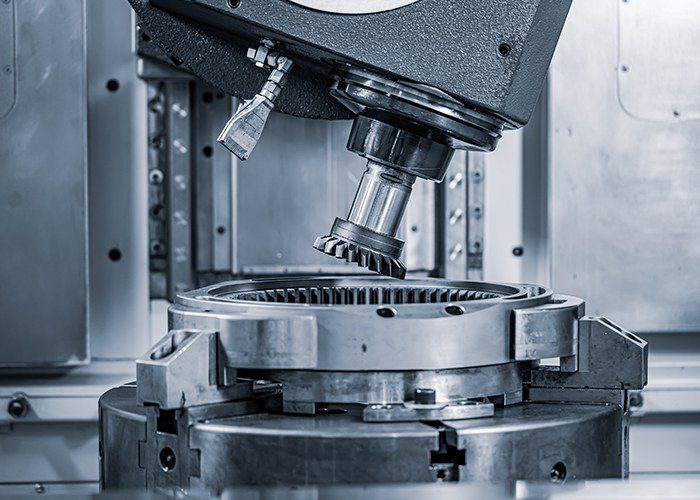
At its core, Computer Numerical Control (CNC) machining is a subtractive manufacturing process where pre-programmed computer software dictates the movement of factory tools and machinery. This digital blueprint allows for the precise cutting, milling, turning, and drilling of a solid block of material—metal, plastic, composites, or even wood—into a finished part. The “custom” aspect elevates this process from standard, high-volume production to a tailored service focused on low to medium volumes, rapid prototyping, and one-off specialized components. It is the bridge between digital design and tangible reality, capable of producing everything from a single, intricate aerospace bracket to a small batch of bespoke medical device parts.
The unparalleled value of a custom CNC service lies in its synergy of precision, flexibility, and material mastery. Modern multi-axis CNC machines (like 5-axis systems) can create geometries that are virtually impossible with manual machining or even other digital processes like 3D printing when it comes to strength and tolerance. Complex contours, internal channels, and precise threads are achieved with superhuman accuracy, often within microns. This precision is repeatable; the tenth part is identical to the first, ensuring critical consistency.
Flexibility is another hallmark. Unlike injection molding or die casting, which require expensive, time-consuming tooling, custom CNC machining thrives on agility. A digital CAD file is the only “tooling” needed. This makes it ideal for the iterative nature of modern product development. Engineers can design a prototype, have it machined within days, test it, modify the digital model, and receive a revised version in short order. This rapid prototyping capability drastically compresses development cycles, accelerating time-to-market for new products.
Furthermore, custom CNC services provide extensive material flexibility. Clients can select the exact alloy, aerospace-grade aluminum, stainless steel, titanium, or engineering plastic that meets their specific requirements for strength, weight, thermal resistance, or biocompatibility. The process itself also yields parts with superior mechanical properties and surface finish compared to as-printed additive parts, often requiring minimal post-processing.
The applications are boundless. In aerospace and defense, custom machining produces lightweight, high-strength components that must withstand extreme forces. In the medical field, it creates sterile, precise surgical instruments and patient-specific implants. Automotive engineers use it for prototype engine parts and custom performance components. Even in consumer electronics, robotics, and R&D labs, custom CNC is the go-to solution for creating robust, functional parts in small quantities.
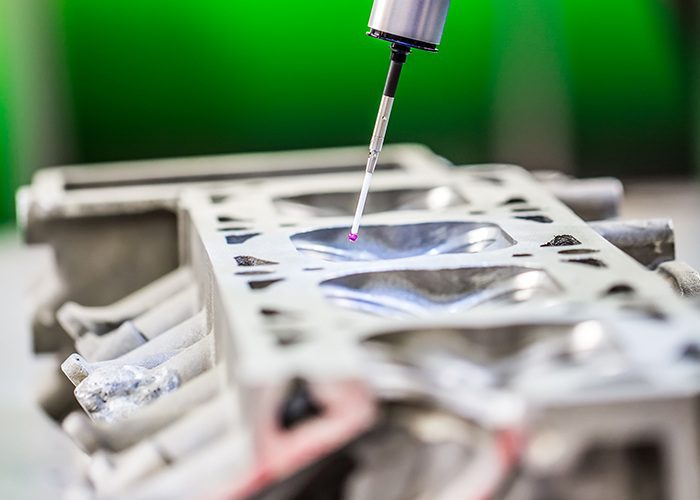
Choosing the right custom CNC machining partner is crucial. The ideal service provider acts as a collaborative engineering extension of the client’s team. They offer not just machine time, but also Design for Manufacturability (DFM) feedback, helping to optimize part design for cost, performance, and manufacturability. A transparent quoting process, robust quality control (utilizing CMMs and other inspection tools), and clear communication throughout the workflow are essential markers of a superior service.
Looking ahead, the integration of custom CNC machining with the broader trends of Industry 4.0 is set to deepen. The adoption of IoT sensors on machines allows for predictive maintenance and real-time process monitoring, ensuring even greater reliability. Seamless integration with cloud-based CAD/CAM platforms will further streamline the journey from design to delivery. Moreover, a growing emphasis on sustainability is pushing services to optimize material usage through advanced nesting software and to recycle metal chips, minimizing waste.
In conclusion, custom CNC machining services are far more than a technical offering; they are a critical enabler of innovation in the 21st century. By providing unmatched precision, agile production without tooling, and access to a vast material palette, these services empower startups and Fortune 500 companies alike to solve complex engineering challenges and bring groundbreaking products to life. In a world that prizes customization, speed, and quality, custom CNC machining is the digital craftsman behind the scenes—transforming visionary ideas into durable, high-performance reality.