In the landscape of modern manufacturing, where precision, efficiency, and complexity are non-negotiable, CNC milling stands as a foundational pillar. More than just a machining process, a professional CNC milling machining service represents the seamless fusion of digital design with physical fabrication, transforming raw materials into intricate, high-tolerance components that power industries from aerospace to consumer electronics. It is the silent engine of innovation, turning visionary concepts into tangible, reliable reality.
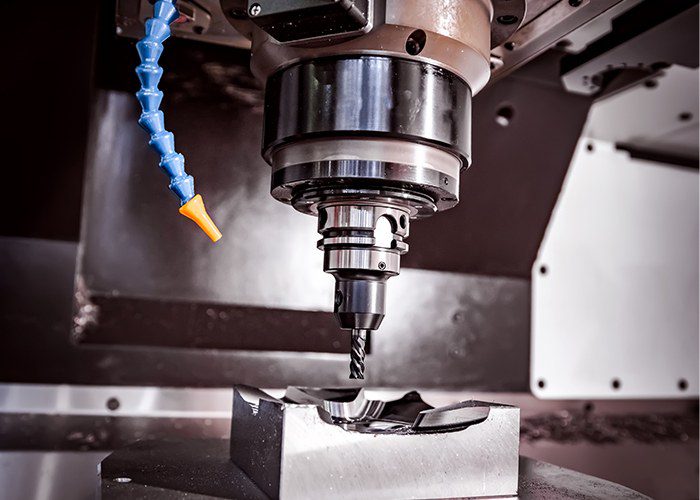
At its core, Computer Numerical Control (CNC) milling is a subtractive manufacturing process. It begins not on the shop floor, but within the digital realm of Computer-Aided Design (CAD). Engineers and designers create a precise 3D model of the desired part, which is then translated by CAM (Computer-Aided Manufacturing) software into a set of numerical instructions—G-code. This code becomes the language that dictates every movement of the milling machine. A block of solid material, known as the workpiece—which can be metal (aluminum, steel, titanium, brass), plastic, or even composite materials—is securely fastened to the machine’s table. The machine then orchestrates a precisely choreographed dance: multi-point, rotary cutting tools spin at high velocities, while the workpiece or the tool itself moves along multiple axes (typically 3, 4, or 5) to selectively remove material. This digital command over physical action is what grants CNC milling its superpower: the ability to produce parts with exceptional dimensional accuracy and repeatability, batch after batch, with minimal deviation.
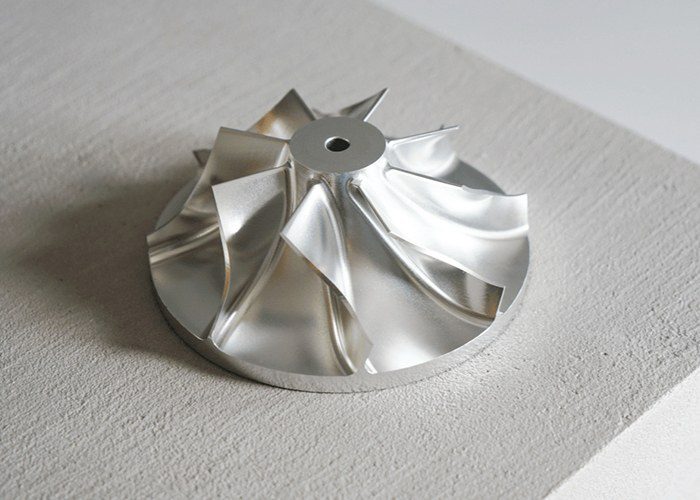
The advantages of employing a specialized CNC milling service are profound and multifaceted. First and foremost is unmatched precision and consistency. Tolerances within thousandths of an inch or hundredths of a millimeter are standard, ensuring that every component matches the digital blueprint perfectly. This is critical for assemblies where a perfect fit is mandatory. Secondly, it offers remarkable geometric freedom. CNC mills can create an vast array of complex features—pockets, slots, holes, contours, and 3D surface shapes—that would be impractical or impossible with manual machining. The integration of multi-axis machining (4th and 5th axes) allows for the complete fabrication of highly complex parts in a single setup, reducing lead times and potential errors.
Furthermore, CNC milling is characterized by its superior efficiency and scalability. Once the program is verified and perfected for a single part, replicating it a hundred or a thousand times requires minimal additional intervention, making it ideal for both low-volume prototyping and high-volume production runs. This scalability translates directly to cost-effectiveness, especially for complex parts. While the initial setup and programming require expertise, the automated nature reduces labor costs per unit and minimizes human error. Coupled with the ability to work with a vast spectrum of advanced materials, from easy-to-machine plastics to tough superalloys, a professional milling service provides unparalleled versatility to product developers and engineers.
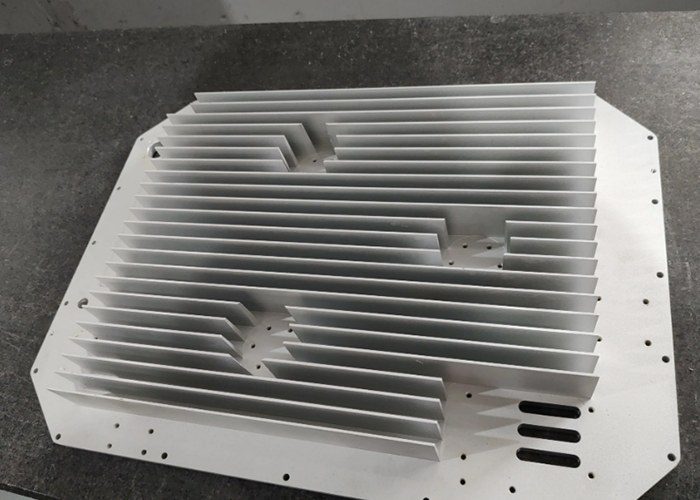
The applications of CNC milling services are as diverse as modern technology itself. In the aerospace and defense sectors, it produces lightweight, high-strength structural components, engine parts, and intricate landing gear elements, where reliability is paramount. The medical industry relies on it for sterile, biocompatible, and ultra-precise surgical instruments, orthopedic implants, and diagnostic device housings. The automotive world uses milled parts for everything from prototype engine blocks and custom suspension components to intricate interior elements. In electronics, it creates precise heat sinks, robust enclosures, and connector housings that protect sensitive circuitry. Even the consumer goods we use daily, from the sleek body of a high-end camera to the custom parts of a champion cyclist’s bike, are often born from a CNC mill.
Choosing the right CNC milling partner, therefore, is a strategic decision. It involves evaluating not just machine capability (3-axis vs. 5-axis), but also material expertise, quality control protocols like CMM (Coordinate Measuring Machine) inspection, and the engineering support offered. A superior service acts as an extension of your own team, providing design for manufacturability (DFM) feedback to optimize part design for cost, strength, and manufacturability before the first cut is made.
In conclusion, CNC milling machining services are far more than a simple metal-cutting operation. They are a critical enabler of technological progress, providing the physical foundation for innovation across every advanced industry. By offering a potent combination of digital accuracy, material versatility, and scalable production, these services empower businesses to bridge the gap between ambitious design and flawless execution. In a world that demands ever-greater performance from ever-smaller and more complex components, CNC milling remains an indispensable tool, quietly shaping the future, one precise cut at a time.