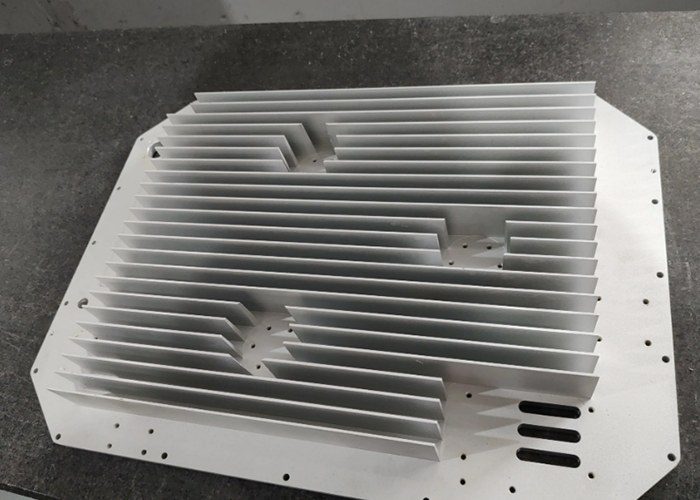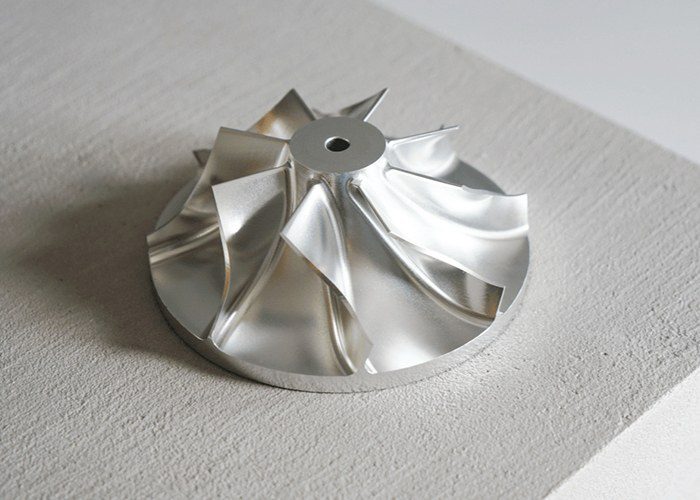
In the realm of modern medicine, where the margin for error is zero and reliability is paramount, the manufacturing of medical components stands as a field of exceptional demands. Here, Computer Numerical Control (CNC) machining has emerged not merely as a manufacturing option but as an indispensable cornerstone technology. The production of medical parts via CNC machining represents a perfect synergy of advanced engineering and life-saving applications, where precision, material integrity, and absolute compliance converge.
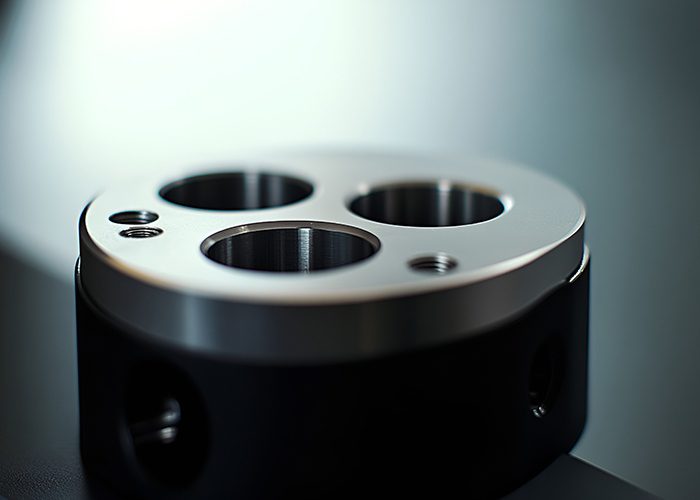
The foremost requirement driving the adoption of CNC machining in medicine is its unparalleled precision and repeatability. Medical devices, from complex orthopedic implants like spinal cages and knee joints to delicate surgical instruments and components for diagnostic machines, often feature intricate geometries with tolerances measured in microns. CNC machines, guided by sophisticated digital designs (CAD/CAM), achieve this level of accuracy consistently across thousands of parts. This repeatability is non-negotiable for implants that must fit a patient’s anatomy perfectly or for surgical tools that must perform identically in every procedure. A deviation of a few human hairs’ width can be the difference between a successful implant integration and a failed one.
Equally critical is the technology’s versatility with biocompatible materials. Medical parts are manufactured from a specialized palette of materials chosen for their strength, corrosion resistance, and, most importantly, compatibility with the human body. These include:
- Medical-Grade Metals: Titanium (Ti-6Al-4V) and its alloys, stainless steel (e.g., 316L), and cobalt-chrome are staples for implants due to their strength-to-weight ratio and osseointegration properties.
- High-Performance Plastics: Materials like PEEK (Polyether Ether Ketone), Ultem (PEI), and medical-grade PVC are used for applications requiring radiolucency (transparency to X-rays), electrical insulation, or specific flexural characteristics.
CNC machining excels at processing these often challenging materials. It can cut them without altering their inherent properties through excessive heat or stress, preserving the material integrity essential for patient safety.
Beyond raw machining, the process encompasses vital post-processing steps that are integral to medical device manufacturing. A machined part is rarely ready for use straight off the machine. It must undergo:
- Deburring and Polishing: Remove all sharp edges to prevent tissue damage Surfaces, especially those on implants, are often polished to a mirror finish to minimize bacterial adhesion and facilitate tissue acceptance.
- Cleaning and Passivation: For metal parts, passivation is a chemical process that removes free iron from the surface and forms a protective oxide layer, dramatically enhancing corrosion resistance—a must for devices exposed to bodily fluids.
- Sterilization Compatibility: The parts must be designed and finished to withstand rigorous sterilization methods (autoclaving, gamma radiation, EtO gas) without degrading.
Furthermore, the entire CNC machining process for medical parts operates under the stringent umbrella of regulatory compliance, most notably the ISO 13485 standard. This quality management system requires exhaustive documentation, full traceability of materials and processes (lot tracking), and validation of every step in production. CNC machining naturally supports this ecosystem. Its digital workflow—from CAD file to finished part—creates an auditable trail. Each batch of parts can be traced back to the specific machine program, material batch, and quality control inspection, ensuring total accountability.
The applications are vast and life-critical:
- Implants: CNC machining produces custom and standard orthopedic implants (hips, knees, dental screws), trauma devices (bone plates, screws), and cranial plates.
- Surgical Instruments: From durable forceps and scalpel handles to complex, laparoscopic tool components with miniature features.
- Diagnostic and Life-Support Equipment: Precise components for imaging machines (CT, MRI scanners), insulin pumps, heart rate monitors, and respiratory devices.
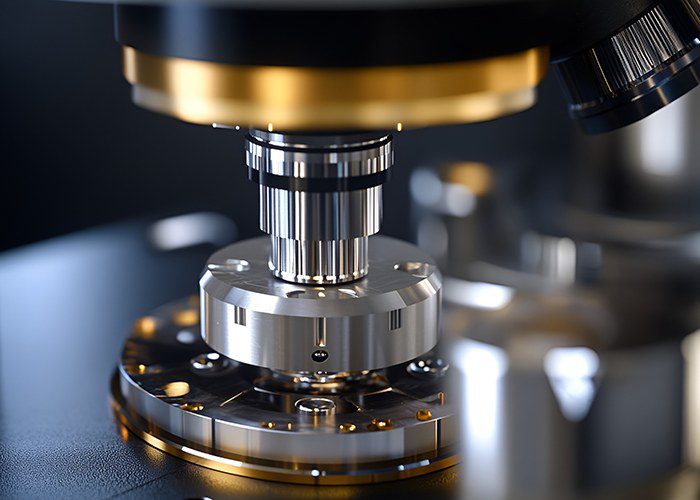
Looking ahead, the future of CNC machining in medicine is intertwined with innovation. The rise of patient-specific implants (PSI), driven by CT/MRI scan data, leverages the flexibility of CNC to produce one-off, anatomically matched parts. While additive manufacturing (3D printing) grows for porous structures, CNC often provides the final, critical finished surfaces on printed parts in a hybrid approach. Automation and lights-out machining are also increasing, enhancing consistency and meeting the scalability demands of global healthcare.
In conclusion, CNC machining for medical parts is far more than a technical process; it is a discipline of trust. It translates innovative medical designs into tangible, reliable, and safe devices that directly impact human health and longevity. By delivering microscopic precision in the most biocompatible materials within a framework of rigorous quality control, CNC machining truly embodies the principle of engineering for life, making it an irreplaceable technology at the heart of medical advancement.