In the dynamic landscape of modern manufacturing, efficiency, accuracy, and repeatability are not just advantages—they are absolute necessities. At the heart of producing the intricate cylindrical and round parts that power countless industries lies a pivotal process: CNC Turning. More than just a machining technique, professional CNC turning services represent the fusion of advanced technology with engineering expertise, delivering components that form the literal backbone of innovation.
Understanding the Core Process
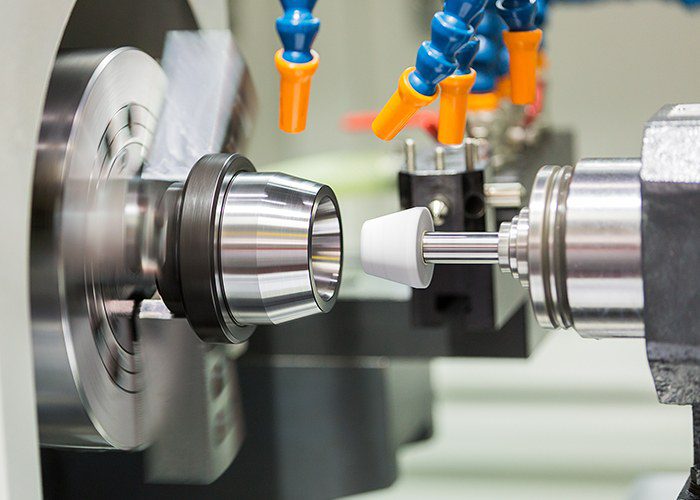
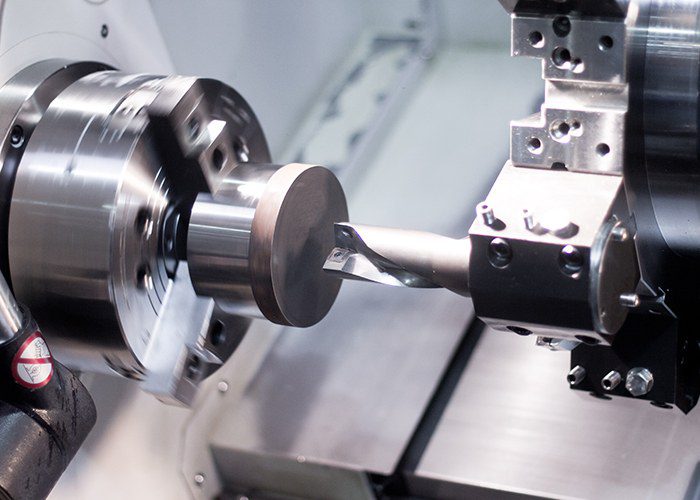
CNC (Computer Numerical Control) turning is a subtractive manufacturing process where a bar of material, known as the workpiece, is securely clamped and rotated at high speeds on a spindle. A stationary cutting tool, controlled by computer-programmed commands, is then precisely fed into the rotating workpiece, shearing away material to create the desired shape, diameter, and features. This fundamental process is executed on a machine called a CNC lathe or turning center.
The true power of the process lies in its “CNC” designation. Operators and programmers create detailed digital blueprints using Computer-Aided Design (CAD) software. These designs are then translated into a set of precise, coded instructions (G-code) that dictate every movement of the cutting tool—its speed, feed rate, depth of cut, and path. This digital-to-physical workflow eliminates human error from the machining sequence, ensuring that every part, from the first to the thousandth, is virtually identical.
The Distinct Advantages of Professional CNC Turning Services
Partnering with a specialized CNC turning service provider unlocks a suite of benefits that go far beyond simply outsourcing a part:
- Unmatched Precision and Tight Tolerances: CNC turning excels at holding extremely tight dimensional tolerances, often within microns. This is critical for components that must interface perfectly with others in assemblies, such as in aerospace, medical devices, or automotive systems.
- Superior Consistency and Repeatability: Once the program is verified, a CNC lathe will produce the same part with unwavering consistency across short or long production runs. This reliability is fundamental for quality control and supply chain stability.
- Material Versatility: Professional services have the capability to machine a vast array of materials. From common metals like aluminum, stainless steel, brass, and copper to engineering plastics like PEEK and Delrin, and even exotic alloys, the right service can select and handle the optimal material for the part’s function.
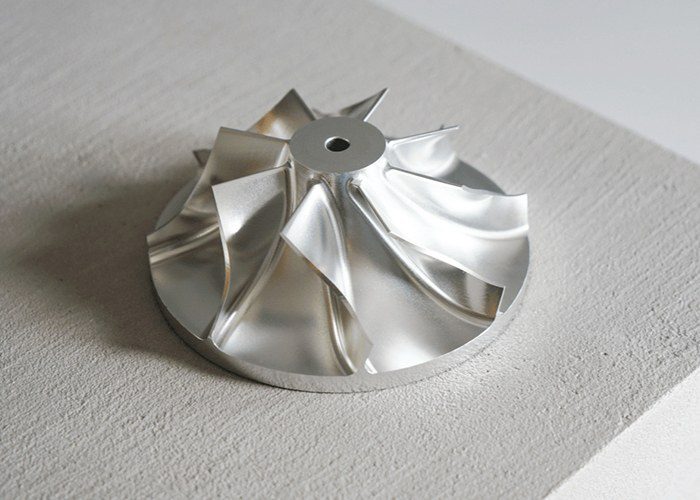
- Complex Geometries Made Simple: Modern CNC lathes, especially multi-axis turning centers, can create complex features in a single setup. This includes not just external diameters and faces, but also internal bores, intricate contours, grooves, threads (both external and internal), and off-center drilled holes. Live tooling—where tools can perform milling and drilling operations—further expands this capability.
- Enhanced Efficiency and Cost-Effectiveness: The automation of CNC turning minimizes manual intervention, reduces cycle times, and lowers labor costs per part. Additionally, the reduction in scrap material due to high precision and the ability to optimize cutting paths contribute to a more economical production process overall.
- Scalability and Flexibility: A capable service can efficiently handle projects at any volume, from low-quantity prototyping to high-volume production runs. This allows businesses to scale manufacturing up or down without significant capital investment in machinery.
Applications Across Industries
The output of CNC turning services is ubiquitous. You will find precision-turned parts in:
- Automotive: Engine components (pistons, shafts, valves), transmission parts, and fasteners.
- Aerospace: Landing gear components, hydraulic fittings, engine mounts, and bushings, where strength-to-weight ratio and reliability are paramount.
- Medical: Implants, surgical instrument handles, bone screws, and connectors requiring biocompatible materials and flawless surfaces.
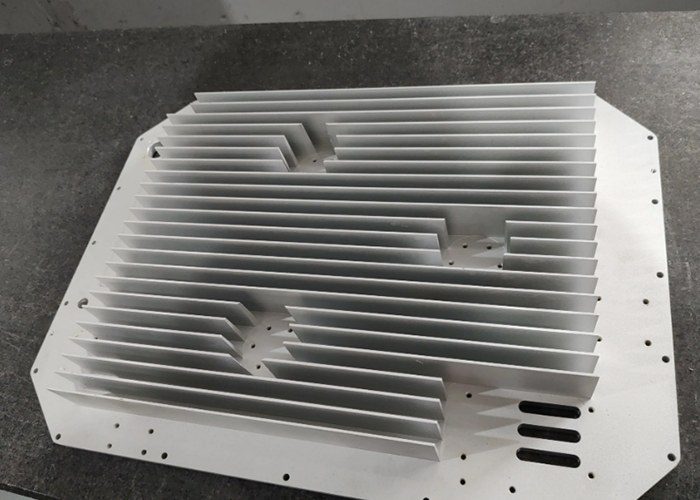
- Electronics: Connectors, heat sinks, housings, and precision pins.
- Industrial Machinery: Drive shafts, rollers, couplings, and hydraulic system components.
Choosing the Right CNC Turning Partner
Selecting a service provider is a strategic decision. Key factors to consider include:
- Technical Capability: Assess their machine portfolio (2-axis, 3-axis, multi-axis, Swiss-type lathes), the size of parts they can handle, and their expertise with your required materials.
- Quality Assurance: Look for robust quality control processes, including in-process inspection and final verification using tools like Coordinate Measuring Machines (CMMs). Relevant certifications (like ISO 9001) are a strong indicator of a commitment to quality.
- Engineering Support: The best partners offer design for manufacturability (DFM) feedback, helping to optimize part designs for cost, performance, and manufacturability before production begins.
- End-to-End Service: Many providers offer additional services like secondary operations (milling, grinding, finishing), assembly, and anodizing or plating, providing a streamlined, single-source solution.
The Future is Turning
As Industry 4.0 advances, CNC turning services continue to evolve with smarter machines, IoT connectivity for predictive maintenance, and the integration of AI for process optimization. This ongoing innovation ensures that CNC turning remains a cornerstone of precision manufacturing.
In conclusion, CNC turning services are far more than a simple machining task. They are a critical, technology-driven partnership that transforms raw materials into the precise, reliable, and complex components that drive progress. For any business that relies on cylindrical parts, leveraging these services is not just an operational choice—it is a strategic imperative for innovation, quality, and competitive success.