The modern automobile is a marvel of mass production. Millions of identical vehicles roll off assembly lines each year, designed to meet the average needs of the average driver. But for a growing legion of enthusiasts, “average” is a four-letter word. To break free from the mundane, they turn to the world of custom car parts—a vast, creative, and highly technical universe where vehicles are transformed from simple transportation into personalized statements of art and performance.
Custom car parts are not merely about making a car look different; they represent a fundamental shift from consumption to creation. At its core, the aftermarket industry exists to solve problems that manufacturers either ignored or couldn’t address due to cost, regulations, or mass-market appeal. Whether it’s shaving seconds off a lap time, achieving a show-stopping paint job, or simply making the cabin sound like a concert hall, custom parts are the tools of automotive individuality.
The Performance Pillar: Speed and Handling
For many, “custom” is synonymous with “faster.” The engine is the heart of the car, and the aftermarket offers a surgical suite to enhance its power. This starts with intake and exhaust systems. Replacing a restrictive factory air box with a high-flow cold air intake allows the engine to breathe deeply of cooler, denser air. On the other side, a cat-back exhaust system with mandrel-bent piping reduces back pressure, liberating horsepower while creating a distinctive auditory signature—from a deep muscle-car rumble to a high-strung European snarl.
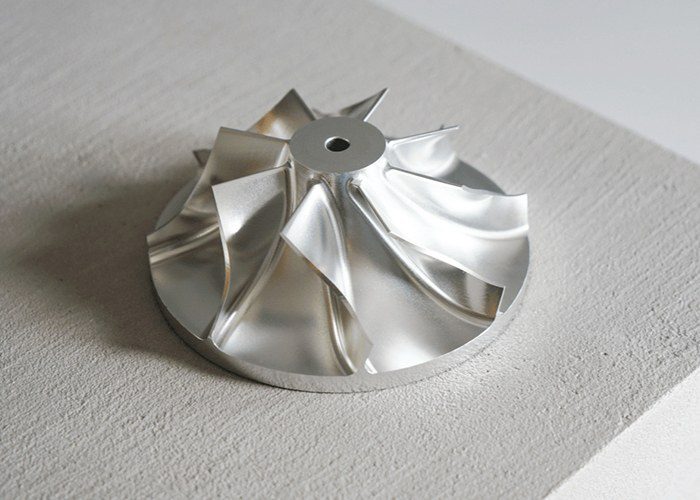
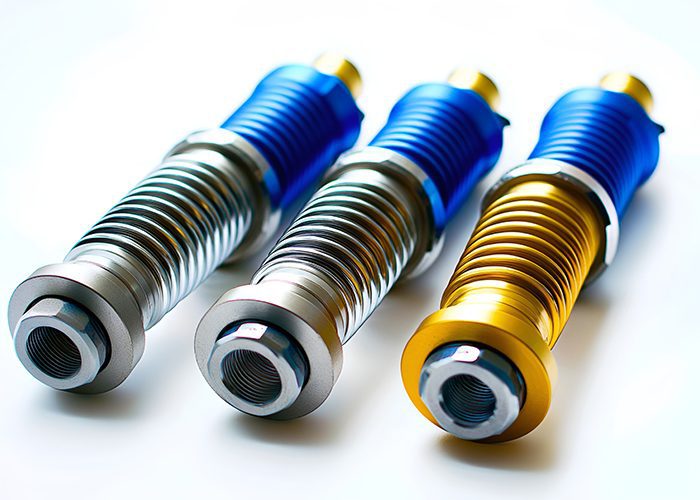
But bolt-ons are just the beginning. For the truly dedicated, custom engine building involves forged pistons, performance camshafts, and aftermarket turbochargers or superchargers. However, more power is useless without control. This is where custom suspension parts shine. Coilover kits allow drivers to adjust ride height and damping stiffness, lowering the center of gravity for cornering precision. Thicker anti-roll bars, adjustable control arms, and polyurethane bushings tighten the chassis, eliminating the slop that plagues factory setups. A car riding on custom coilovers and wrapped in wide, sticky tires doesn’t just look aggressive—it fundamentally changes the driving dynamic, turning a commuter sedan into a back-road scalpel.
The Visual Canvas: Aesthetics and Aerodynamics
Performance is often invisible, hidden under the hood. Aesthetics, however, are for the world to see. Body kits are the most dramatic way to alter a car’s silhouette. A front lip spoiler, side skirts, and a rear diffuser can transform a humble hatchback into a street racer. For the ambitious, wide-body kits add inches of muscular flare over the wheel arches, allowing for much wider wheels and tires. This isn’t just for looks; functional aero parts—like a true carbon fiber rear wing or a vented hood—manage airflow, reduce lift, and cool vital components.
Then there are the finishing touches. Custom lighting, such as halo projector headlights or sequential LED tail lights, updates an older car’s look. Unique wheel and tire packages are arguably the most impactful aesthetic change; a set of forged three-piece wheels with a deep lip and custom finish (brushed, polished, or powder-coated) can redefine the entire stance of a vehicle. Even seemingly small details—a billet aluminum gas cap, smoked side markers, or a custom grille—contribute to a cohesive, bespoke appearance.
The Cockpit and the Soundscape
The interior is where the driver lives, and custom parts can make it a far more pleasant place. Replacing a worn, slippery factory steering wheel with a smaller, suede-wrapped racing wheel improves feedback and grip. Custom gauge pods allow drivers to monitor critical vitals like oil pressure, boost levels, and air-fuel ratios—information the factory dashboard often hides. Seat upgrades, from supportive sport seats to full race buckets with harnesses, change the physical connection to the machine.
Sound is the final frontier. A custom audio system goes far beyond swapping a head unit. It involves sound-deadening mats to eliminate road noise, custom fiberglass subwoofer enclosures molded into the spare tire well, and component speaker systems tuned with digital signal processors (DSPs). The result is a listening environment that can rival a home theater, all while hurtling down the highway.
The Challenges of Customization
This world is not without its pitfalls. The first is quality. The market is flooded with cheap, ill-fitting parts made of low-grade materials. A poorly designed “cold air intake” that sucks in hot engine bay air can actually reduce power. Second is legality. Removing catalytic converters, bypassing emissions equipment, or installing overly loud exhausts can lead to failed inspections and hefty fines.
Finally, there is the reality of installation. A custom part is only as good as its fitment. “Bolt-on” is often a relative term, frequently requiring fabrication, drilling, or creative problem-solving. This is why the community is so vital—forums, YouTube tutorials, and local car meets become classrooms where knowledge is shared and problems are solved collectively.
Conclusion
Custom car parts are more than a collection of metal, rubber, and plastic. They are the physical manifestation of a question every car enthusiast asks: “What if?” What if my sedan handled like a sports car? What if my coupe looked like a race car? The aftermarket industry provides the answers, empowering owners to become engineers, designers, and artists. It is a pursuit of perfection, a rebellion against uniformity, and a celebration of the fact that a car can be an extension of the soul. Whether you are adding a simple spoiler or building a 1,000-horsepower engine, the journey of customization is a deeply rewarding road, one built one custom part at a time.