
The roar of a finely tuned engine, the gleam of polished metal, and the unmistakable silhouette of a one-of-a-kind machine—motorcycling is as much about identity as it is about transportation. For countless riders, the journey from stock to spectacular inevitably leads to a crossroads: settle for mass-produced components, or invest in custom-machined parts that elevate performance, aesthetics, and exclusivity. Custom machining for motorcycle parts is not merely a manufacturing process; it is a bridge between engineering precision and personal expression.
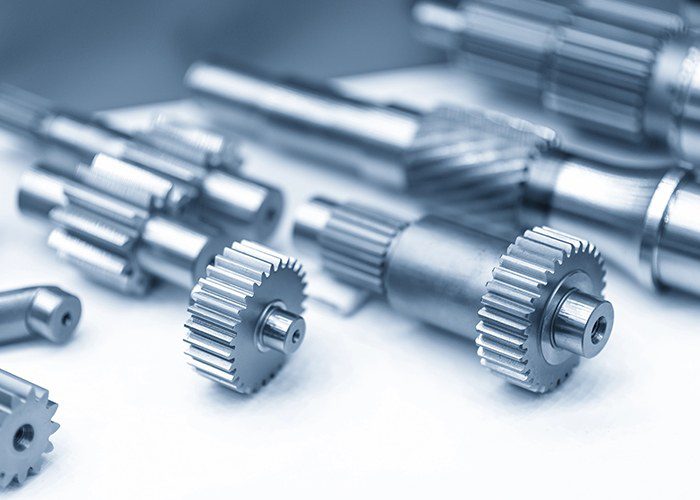
At its core, custom machining involves the use of computer numerical control (CNC) mills, lathes, and routers to remove material from a solid block—often aluminum, steel, titanium, or even advanced polymers—to create a part with exacting specifications. Unlike casting or forging, which require expensive molds and yield thousands of identical pieces, machining is subtractive and highly flexible. A single skilled machinist can transform a digital design into a tangible component within hours. This agility is what makes custom work indispensable for custom builders, restorers of vintage bikes, and racers chasing marginal gains.
One of the most compelling advantages of custom machining is the ability to solve fitment problems. Motorcycles, especially older or heavily modified ones, rarely conform to off-the-shelf dimensions. A classic 1970s Honda CB750 fitted with modern upside-down forks, for instance, will require custom triple clamps to marry the fork tubes to the original steering stem. Similarly, installing a larger brake caliper might necessitate a custom mounting bracket. Rather than relying on shims, adapters, or permanent modifications to the frame, a machined part offers a clean, strong, and reversible solution. Every hole, counterbore, and radius is positioned exactly where it needs to be, eliminating slop and ensuring safety.
Performance enthusiasts turn to custom machining for weight reduction and material upgrades. Mass-produced parts are often designed for a balance of cost and durability, not minimum mass. By machining a footpeg bracket from 7075-T6 aluminum instead of cast steel, a builder can shed grams without sacrificing strength. For racing applications, every unsprung gram matters. Machined wheel spacers, axle blocks, and even rearset foot controls can be sculpted with lightening pockets and organic fillets that would be impossible to cast economically. When the material is aerospace-grade titanium, the part becomes both lighter and stronger than any stamped or welded alternative.
Beyond mechanics, custom machining unlocks a universe of aesthetic personalization. A machinist with a keen eye can turn a mundane master cylinder reservoir into a piece of jewelry—fluted, engraved with the owner’s name, or anodized in a custom color. Pegs, grips, bar ends, and switch housings can be given knurling, spirals, or diamond-cut patterns that match the bike’s theme. Unlike stick-on chrome trims or painted accents, machined details have depth and integrity; they are the material itself shaped into art. For builders chasing a “steampunk,” “brutalist,” or “retro-futuristic” look, nothing beats raw machined aluminum with visible tool marks.
The process of obtaining a custom machined part typically begins with a 3D model. This can be created by the rider using CAD software, by an engineering firm, or by the machine shop itself through reverse engineering. A sample part, a broken original, or even a carefully taken set of measurements can be digitized. The machinist then selects the optimal toolpaths, speeds, and feeds. Multi-axis CNC machines can produce complex curves undercuts, and even threads in a single setup. After machining, secondary operations such as deburring, anodizing, powder coating, or heat treating may follow. The result is a part that fits perfectly, performs reliably, and looks like it belongs—because it was made for that specific motorcycle.
Of course, custom machining comes with considerations. Cost is the most obvious factor. A single machined triple clamp might cost several hundred dollars, while a pair of footpeg brackets could exceed the price of aftermarket rearsets. Lead time varies from a few days for simple spacers to several weeks for multi-component systems. Not every machine shop is familiar with motorcycle-specific demands—vibration resistance, exposure to weather and road salt, and the need for safety-critical fasteners. Therefore, choosing a shop with motorcycle experience is vital. Many specialized shops now offer online quoting by uploading a 3D file, making custom parts accessible even to home builders.
Looking ahead, the synergy between custom machining and motorcycle culture will only deepen. Affordable desktop CNC machines and user-friendly CAM software are democratizing the craft. A rider with basic CAD skills can design a brake reservoir cap at home and have it machined by a local job shop the next day. Conversely, high-end shops are adopting 5-axis machining and additive hybrid processes to create parts with internal cooling ducts or lattice structures—impossible even a decade ago. As electric motorcycles gain prominence, with their unique packaging and thermal management needs, custom machining will be essential for adapting drivetrains, mounting batteries, and creating lightweight structural components.
In conclusion, custom machining for motorcycle parts is far more than a luxury—it is a logical extension of the custom bike ethos. Whether the goal is to resurrect a rare vintage machine, shave tenths of a second at the track, or simply ride a motorcycle that no one else has, machined components provide the answer. They transform drawings into metal, problems into solutions, and ordinary bikes into personal statements. So the next time you look at your motorcycle and wish for a part that doesn’t exist, remember: with custom machining, it already does. You just have to make it.


