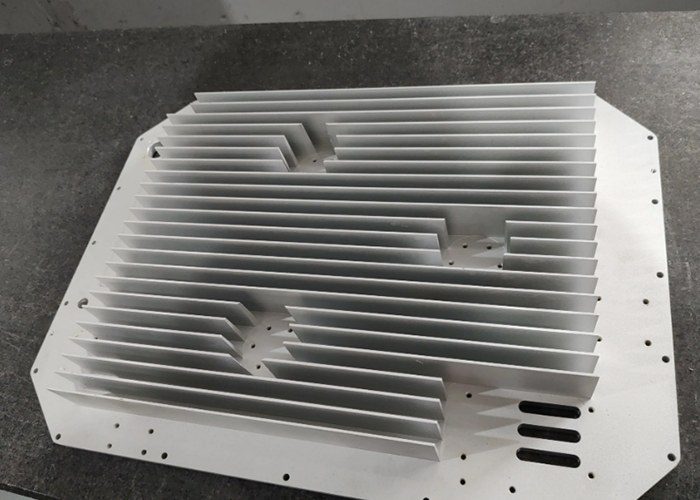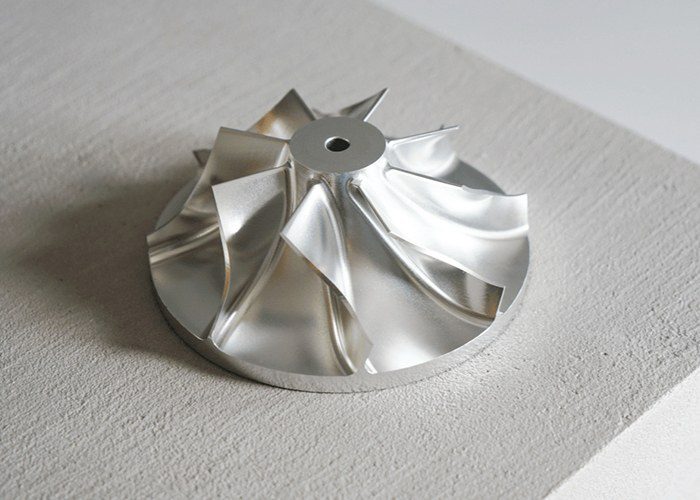
In the vast ecosystem of modern manufacturing, few processes are as fundamental or as versatile as CNC turning. When applied to steel—a material prized for its strength, durability, and machinability—CNC turning becomes an indispensable technique for producing high-precision cylindrical components. From automotive shafts to hydraulic fittings, CNC turning steel parts are the unsung heroes that keep industries moving. This article explores the process, material considerations, advantages, and applications of CNC turning for steel components.
What is CNC Turning?
CNC (Computer Numerical Control) turning is a subtractive manufacturing process in which a cutting tool moves linearly while a workpiece rotates at high speed on a spindle. Unlike milling, where the tool rotates, turning relies on the rotation of the raw material to achieve symmetric, round shapes. The process is controlled by pre-programmed G-code, which directs the movement of the tool with micron-level precision. Modern CNC lathes can also perform live tooling operations—such as drilling, milling, and tapping—without moving the part to another machine, greatly increasing efficiency.
When the workpiece material is steel, CNC turning must account for its hardness, tensile strength, and thermal behavior. Steel is not as forgiving as aluminum or brass; it requires rigid setups, appropriate cutting speeds, and effective coolant application to achieve excellent surface finishes and tight tolerances.
Types of Steel Suitable for CNC Turning
Not all steels are created equal. The choice of steel grade dramatically affects the machining strategy and the final part’s performance. Common steel categories used in CNC turning include:
- Low-carbon steel (e.g., 1018, A36): Easy to weld and form, but produces stringy chips. Ideal for non-critical structural parts, brackets, and shafts.
- Medium-carbon steel (e.g., 1045, 1144): Stronger and more wear-resistant. Used for gears, axles, and machine tool components.
- Alloy steels (e.g., 4140, 4340): These contain chromium, molybdenum, or nickel to improve hardness and toughness. They are widely used in the automotive and oil & gas sectors. However, they require slower speeds and rigid tooling.
- Stainless steel (e.g., 304, 316, 17-4 PH): Highly corrosion-resistant but tends to work-harden during cutting. Sharp tools and consistent feed rates are critical to prevent tool wear.
- Tool steels (e.g., D2, A2, O1): Extremely hard and often turned in a pre-hardened state. Used for punches, dies, and mould components.
Process Parameters and Tooling
Turning steel parts successfully depends on optimizing three key parameters: cutting speed, feed rate, and depth of cut. For example, turning 4140 alloy steel might use a cutting speed of 200–300 SFM (surface feet per minute) with a carbide insert coated with TiAlN (titanium aluminum nitride) to resist heat. Too high a speed leads to rapid tool wear; too low a speed causes built-up edge and poor surface finish.
Coolant is almost always necessary when turning steel. Flood coolant or high-pressure mist removes chips, lubricates the cutting edge, and dissipates heat that could otherwise distort the part or soften the tool. For difficult-to-machine steels like stainless or tool steel, advanced coolants with extreme-pressure (EP) additives are recommended.
Tool geometry also matters. Positive rake inserts reduce cutting forces, while negative rake inserts offer greater edge strength for interrupted cuts. For finishing passes, ceramic or CBN (cubic boron nitride) inserts can achieve mirror-like finishes on hardened steel (above 45 HRC).
Key Advantages of CNC Turning for Steel Parts
- Exceptional Precision and Repeatability: Modern CNC lathes hold tolerances as tight as ±0.0002 inches (±0.005 mm). Once a program is validated, thousands of identical steel parts can be produced with minimal variation.
- High Efficiency: CNC turning is inherently fast. With automatic bar feeders and part catchers, a single machine can run lights-out production overnight. Turret tool changers swap tools in seconds.
- Complex Geometries: Live tooling and Y-axis capability allow off-center milling, hex flats, cross holes, and slots—all on the same machine. This reduces handling errors and lead times.
- Excellent Surface Finishes: With proper parameters, turned steel parts achieve surface roughness down to 16 μin Ra (microinches), eliminating the need for secondary grinding in many cases.
- Material Savings: Unlike some additive or forming processes, turning produces chips, but the high precision means minimal wasted material on critical features.
Applications Across Industries
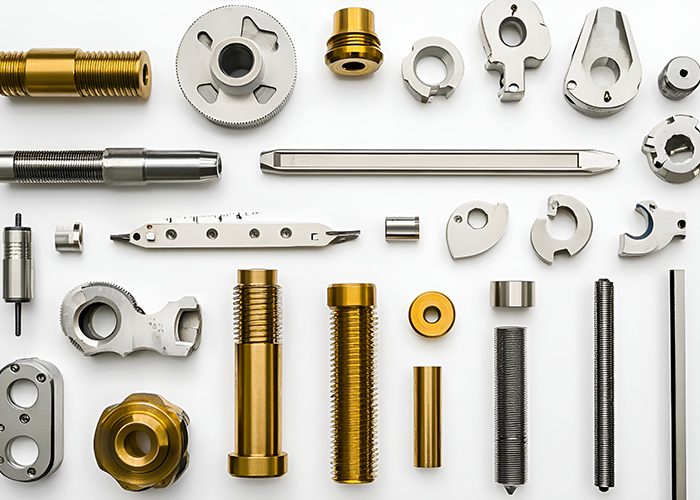
CNC turned steel parts are everywhere. In the automotive sector, they form valve lifters, brake pistons, transmission shafts, and wheel hub assemblies. In hydraulics, cylinder rods, piston heads, and manifold fittings require the high pressure resistance of turned steel. Aerospace relies on turned components like landing gear pins, engine mounts (often from 4340 or 17-4 PH stainless), and actuator housings. Even medical applications—such as surgical instruments and orthopaedic implant trial components—use biocompatible 316L or 17-4 stainless steel turned parts.
Quality Control and Best Practices
Producing reliable CNC turning steel parts requires rigorous quality checks. Typical QC methods include:
- In-process probing: Touch probes measure critical diameters without removing the part from the machine.
- Surface roughness testers: Ensure Ra values conform to the drawing requirements.
- CMM (Coordinate Measuring Machine) inspection: Checks concentricity, runout, and form tolerances.
- Hardness testing: Ensures heat-treated steels meet specified HRC values.
Best practices also include using chip breakers to avoid bird’s nests (long, tangled chips common in low-carbon steel), applying peck drilling cycles for deep holes, and regularly calibrating tool offsets to compensate for wear.
Conclusion
The CNC turning of steel parts transcends simple machining; it is a complex, data-driven process that integrates metallurgy, cutting tool science, and precision control. As industries demand lighter, stronger, and more complex steel components, advancements like multi-axis CNC lathes, high-pressure coolant systems, and AI-powered tool path optimization will continue to push the boundaries. For engineers and manufacturers, mastering the art of turning steel means not only achieving tighter tolerances but also unlocking faster production cycles and lower costs. Whether it’s a humble bushing or a critical aircraft component, every turned steel part tells a story of precision, resilience, and ingenuity.