
In the world of modern manufacturing, where precision, efficiency, and material integrity are paramount, the combination of CNC turning and stainless steel stands as a cornerstone of innovation. This process, which shapes one of the most versatile and widely used engineering alloys, is fundamental to producing the high-strength, corrosion-resistant components found in everything from medical devices to aerospace systems. CNC turning of stainless steel represents not just a machining operation, but a sophisticated dialogue between advanced technology and challenging material properties, demanding expertise to unlock its full potential.
The Allure of Stainless Steel
Stainless steel is not a single material but a family of iron-based alloys renowned for their exceptional corrosion resistance, primarily due to a minimum chromium content of 10.5%. This chromium forms a passive, self-repairing oxide layer on the surface, making it “stainless.” Beyond corrosion resistance, various grades offer a compelling mix of high strength, durability, hygiene (ease of cleaning), and aesthetic appeal. Common grades machined via CNC turning include:
- Austenitic (e.g., 304, 316): The most common, offering excellent corrosion resistance and formability. Grade 316, alloyed with molybdenum, offers excellent resistance to chloride-induced corrosion.
- Martensitic (e.g., 410, 420): Magnetic, hardenable via heat treatment, offering high strength and wear resistance, though with lower corrosion resistance than austenitic grades.
- Duplex (e.g., 2205): A mix of austenitic and ferritic structures, offering very high strength and excellent resistance to stress corrosion cracking.
However, these desirable properties also make stainless steel a challenging material to machine. Its high toughness, work hardening tendency (especially in austenitic grades), low thermal conductivity, and abrasive nature can lead to rapid tool wear, poor surface finish, and built-up edge if not approached correctly.
The CNC Turning Advantage
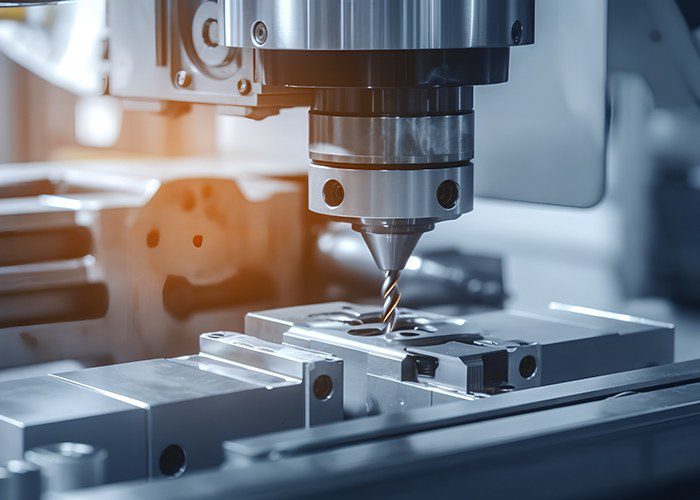
Computer Numerical Control (CNC) turning is the ideal process to tame these challenges and exploit stainless steel’s benefits. In this process, a cylindrical stainless steel workpiece (bar stock or pre-form) is rotated at high speed while a single-point cutting tool, mounted on a computer-controlled turret, moves along linear and radial axes to remove material. The “CNC” aspect is the game-changer. A pre-programmed digital blueprint dictates every movement with micron-level accuracy, ensuring repeatability, complex geometrical capability, and minimal human error.
For stainless steel, this control is critical. The machining parameters—cutting speed (SFM), feed rate (IPR), and depth of cut—must be meticulously optimized and consistently maintained. CNC programming allows for this precise optimization. For instance, a constant surface speed function ensures optimal cutting conditions as the tool moves from a larger to a smaller diameter. Furthermore, modern CNC lathes can execute complex cycles (e.g., roughing, finishing, grooving, threading) seamlessly, which is essential for managing the material’s heat and chip formation.
Key Technical Considerations for Success
Successful CNC turning of stainless steel hinges on several interrelated factors:
- Tooling Selection: This is perhaps the most critical element. Carbide inserts, particularly grades with specialized coatings like Physical Vapor Deposition (PVD) titanium aluminum nitride (TiAlN), are the standard. These coatings provide extreme surface hardness, heat resistance, and lubricity, combating the heat and adhesion issues inherent to stainless steel. The geometry of the insert—rake angles, chip breaker design—is chosen to ensure efficient shearing and controlled chip evacuation.
- Machining Parameters: A delicate balance must be struck. Sufficiently high speeds and feeds are needed to shear the material cleanly before it work-hardens. However, excessive speed generates destructive heat due to stainless steel’s poor thermal conductivity. Conservative speeds with moderate to high feed rates are often preferred to promote chip breaking and carry heat away with the chip.
- Coolant Strategy: High-pressure, high-volume coolant is not just recommended; it is essential. It serves multiple functions: dissipating heat from the cutting zone, lubricating to reduce friction and built-up edge, and flushing away chips to prevent them from being recut and damaging the workpiece or tool. Through-tool coolant delivery is highly effective for deep-hole drilling or tough operations.
- Rigidity and Stability: Any vibration or chatter will immediately degrade surface finish and accelerate tool failure when machining tough materials like stainless steel. Therefore, a massively rigid CNC lathe, secure workpiece clamping (often using hydraulic chucks), and minimal tool overhang are non-negotiable prerequisites.
Applications and Finishing Touches
The outcome of this careful process is a component of exceptional integrity. CNC-turned stainless steel parts are ubiquitous in critical industries:
- Medical: Surgical instruments, implantable components, and valve bodies where sterility and biocompatibility are vital.
- Aerospace & Defense: Landing gear components, hydraulic fittings, and engine parts demanding high strength-to-weight ratios and reliability.
- Food & Beverage: Valves, pump shafts, and mixing equipment must exhibit both ease of cleaning and resistance to corrosive sanitizers.
- Marine & Chemical: Fittings, fasteners, and pump housings are exposed to saltwater or aggressive chemicals.
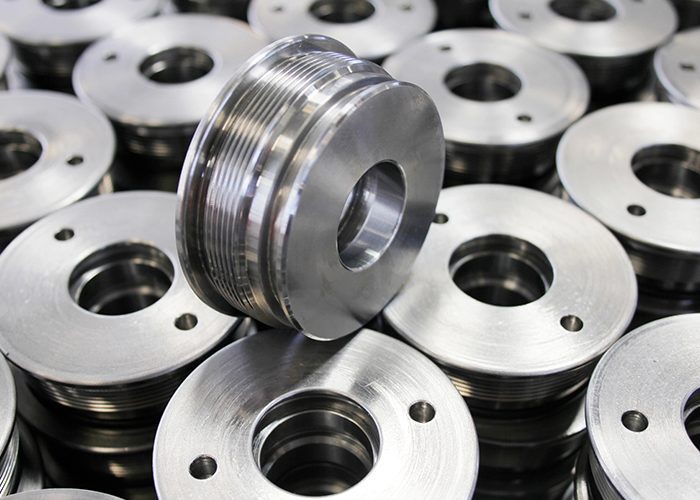
The process often doesn’t end with turning. CNC lathes can perform secondary operations like milling (turn-mill centers), and the turned parts may undergo further finishing such as passivation—an acid bath that enhances the chromium oxide layer for maximum corrosion resistance—or polishing to achieve a specific surface aesthetic or hygiene standard.
In conclusion, CNC turning is the powerful, precise, and controllable force that shapes stainless steel from a stubborn alloy into a vital component of modern engineering. It is a testament to manufacturing evolution, where digital precision meets material science to overcome challenges and produce parts that are as reliable as they are precise. As both CNC technology and cutting tool materials continue to advance, the marriage between this process and stainless steel will only grow stronger, enabling even more innovative and demanding applications across the global industrial landscape.


