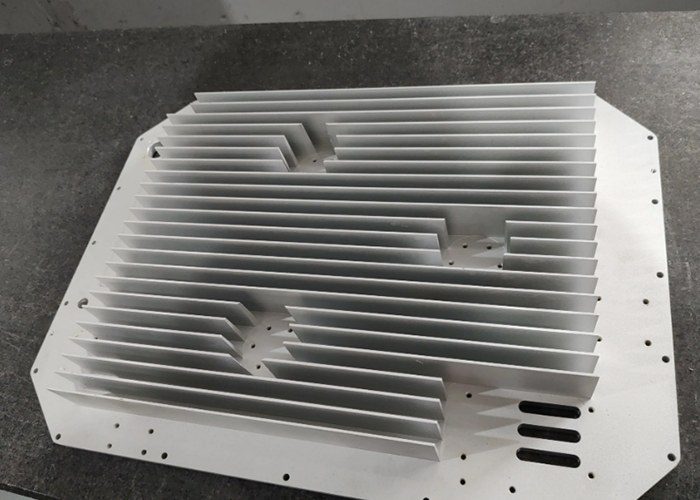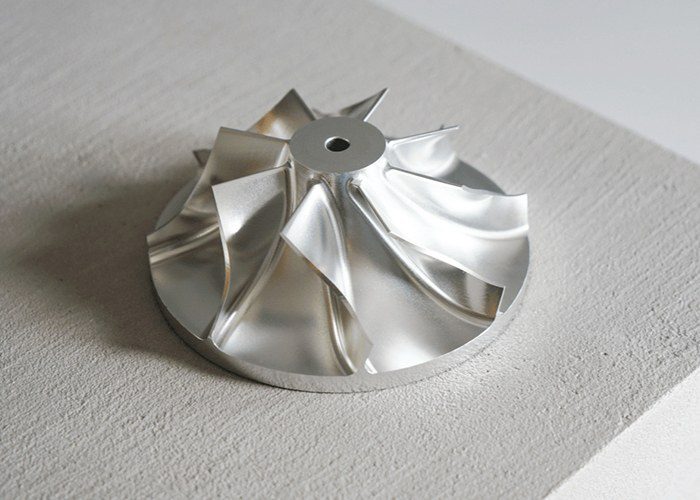
In the vast ecosystem of modern manufacturing, few processes are as fundamental—or as transformative—as CNC turning machining. From the humble automotive fastener to the life-saving surgical implant, CNC turned parts are everywhere, often invisible yet indispensable. As we move further into an era defined by precision, automation, and data-driven production, understanding the capabilities and evolution of CNC turning is essential for engineers, procurement professionals, and anyone involved in the production of high-quality mechanical components.
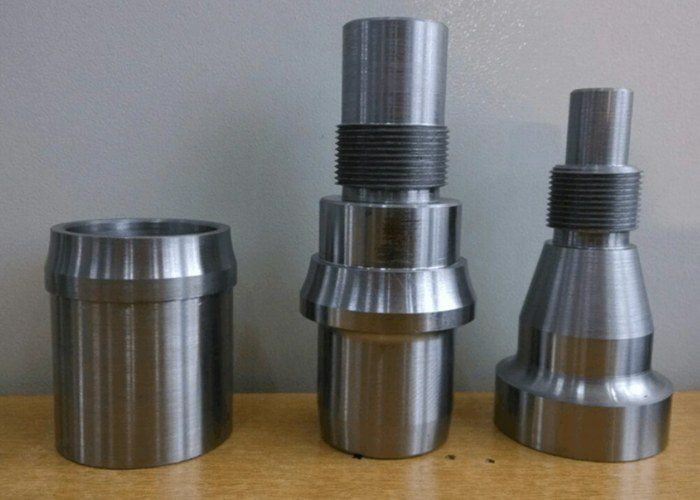
What Is CNC Turning?
At its core, CNC turning is a subtractive machining process in which a rotating workpiece is shaped by a stationary cutting tool. The workpiece—typically a round bar of metal or plastic—is clamped in a chuck or collet and spun at high speed while a computer-controlled tool follows programmed paths to remove material. This fundamental principle—the part spins, the tool stays still—distinguishes turning from CNC milling, where the tool rotates against a stationary workpiece.
The result is the efficient, repeatable production of rotationally symmetrical components: shafts, bushings, pins, threaded fittings, and countless other cylindrical parts that form the mechanical backbone of modern industry.
The Advantages That Drive Adoption
Why has CNC turning become so ubiquitous? The answer lies in a compelling combination of precision, speed, and cost-effectiveness.
Precision is perhaps the most celebrated advantage. Modern CNC lathes can achieve micron-level accuracy, with standard tolerances around ±0.005 inches and critical diameters reaching as tight as ±0.001 inches. In high-end applications, surface finishes can be as smooth as Ra 0.4 μm. This level of precision is not merely impressive—it is essential for industries where component failure is not an option, from aerospace turbine blades to medical bone screws.
Repeatability is equally vital. Once a CNC program is written and verified, the machine can produce thousands of identical parts with minimal variation. This consistency is the bedrock of mass production, ensuring that every component meets the same exacting standards.
Speed and cost-efficiency further cement turning’s dominance. Continuous material removal and automated tool changes translate into fast cycle times. For medium to high-volume production, the per-unit cost of CNC turned parts is significantly lower than manual alternatives. The process also reduces waste: exceptional accuracy means less rework and scrap.
Versatility in Materials and Applications
One of the quiet strengths of CNC turning is its remarkable material flexibility. The process works seamlessly with a wide range of metals—aluminum, stainless steel, titanium, brass, copper, and exotic alloys like Inconel and Hastelloy. It is equally adept at machining engineering plastics such as PEEK, ABS, and PTFE. This versatility allows manufacturers to select the optimal material for each application without being constrained by the machining process itself.
The range of industries served by CNC turning is correspondingly vast. In automotive manufacturing, turned parts include axles, fasteners, engine components, and hydraulic fittings. The aerospace sector relies on precision-turned shafts, bushings, and turbine components where failure is unthinkable. In medical device manufacturing, CNC turning produces surgical instruments, orthopedic screws, implants, and prosthetic joints with the micron-level precision that patient safety demands. The electronics, oil and gas, and industrial machinery sectors are equally dependent on high-quality turned components.
Turning vs. Milling: A Matter of Motion
For those new to CNC machining, the distinction between turning and milling is often a source of confusion. The rule of thumb is elegantly simple: if it’s round, turn it; if it’s any other shape, mill it. Turning excels at cylindrical, tapered, and threaded geometries because the rotating workpiece naturally produces concentric, symmetrical features. Milling, by contrast, is the go-to process for flat surfaces, pockets, complex contours, and non-cylindrical shapes.
This does not mean the two processes are mutually exclusive. Many modern components require both turning and milling operations, and advanced turning centers now integrate live tooling—powered rotary tools mounted on the turret—that can drill, mill, and tap without removing the part from the machine. This capability, known as mill-turn machining, eliminates the need for secondary setups, improving accuracy and slashing cycle times.
The Modern Evolution: Multi-Axis and Smart Manufacturing
The CNC turning of today bears little resemblance to the manual lathes of a generation ago. Traditional two-axis machines have given way to sophisticated multi-axis turning centers that operate along X, Y, Z, and rotational axes. The introduction of C-axis control allows the workpiece to stop and rotate to precise angles, while Y-axis capability enables tool movement above and below the part’s centerline. These advancements make it possible to machine complex, multi-faceted components—including asymmetric features, off-center holes, and contoured surfaces—in a single automated setup.
The market reflects this technological momentum. The precision turned product manufacturing market was valued at USD 96.7 billion in 2025 and is projected to grow at a CAGR of 7.6% to reach USD 187.6 billion by 2034. The broader CNC machining and turning centers market is forecast to reach USD 48 billion by 2032, up from USD 29.7 billion in 2025. This growth is driven by increasing demand for automation, the miniaturization of components, and the relentless pursuit of higher precision across all industrial sectors.
Looking Ahead: AI, Industry 4.0, and Beyond
The future of CNC turning is inextricably linked to the broader trends of Industry 4.0 and artificial intelligence. Smart factories are integrating IoT-enabled machines with real-time monitoring, predictive maintenance, and data analytics. AI-native machining is emerging as the next paradigm shift, where artificial intelligence is embedded across CNC programming, tool selection, parameter optimization, and continuous process learning. Real-time sensor feedback allows machines to automatically adjust feeds, speeds, and toolpaths in response to vibration, load, or temperature changes.
Hybrid manufacturing—combining traditional turning with additive processes—is also gaining traction, enabling geometries that were previously impossible. Sustainability is becoming a core metric, with manufacturers seeking to reduce waste, energy consumption, and environmental impact.
Conclusion
CNC turning machining parts are far more than simple metal cylinders. They are the precision-engineered components that enable modern life—from the cars we drive and the planes we fly, to the medical devices that save lives and the electronics that connect us. As the technology continues to evolve, embracing multi-axis capability, smart automation, and artificial intelligence, CNC turning will remain at the heart of precision manufacturing. For those who design, specify, or procure machined components, understanding this process is not merely useful—it is essential.