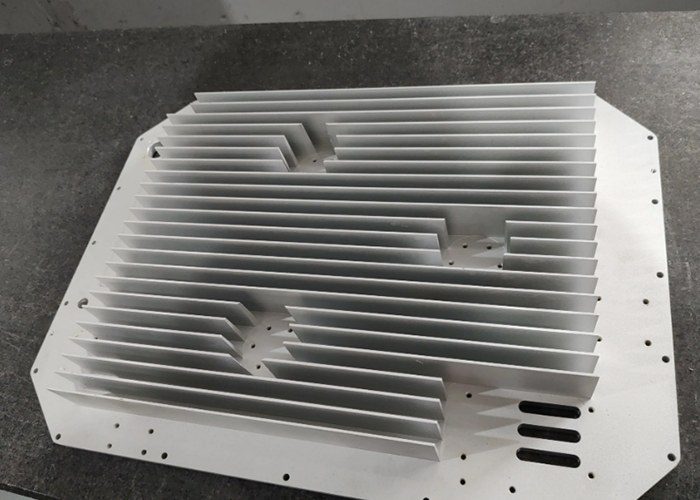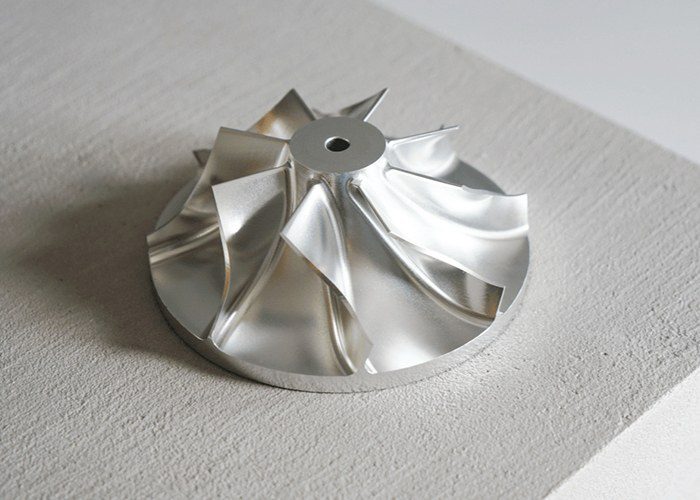
In the high‑stakes world of aerospace manufacturing, where component failure is not an option, CNC turning has emerged as a cornerstone technology. From turbine engine shafts to hydraulic fittings and landing gear components, CNC turning of aerospace parts demands an unwavering commitment to precision, material integrity, and process reliability. This article explores the critical role of CNC turning in aerospace production, the unique challenges involved, and the technological advancements shaping its future.
The Fundamentals of CNC Turning in Aerospace
CNC (Computer Numerical Control) turning is a subtractive machining process in which a rotating workpiece is shaped by a stationary cutting tool. For aerospace applications, this process is typically performed on advanced lathes capable of achieving micron‑level tolerances. Unlike general‑purpose turning, aerospace CNC turning operates under stringent standards such as AS9100, NADCAP, and customer‑specific specifications.
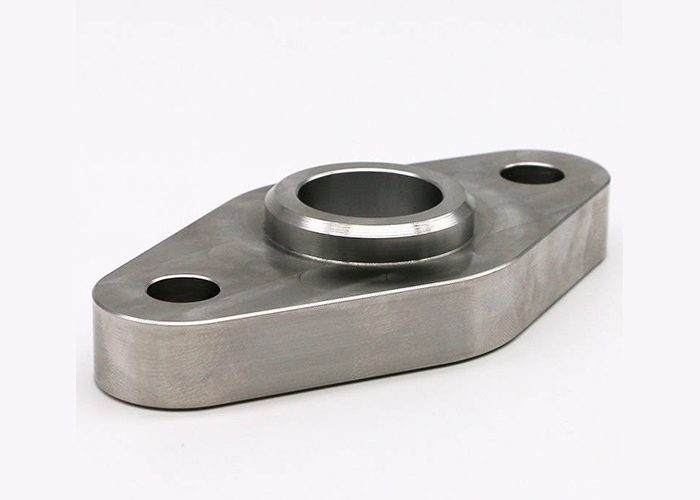
Components produced via CNC turning for aircraft and spacecraft include bushings, connectors, valve bodies, nozzles, and structural rings. Many of these parts must withstand extreme temperatures, high cyclic loads, and corrosive environments. Consequently, the turning process must deliver not only dimensional accuracy but also superior surface finish and metallurgical consistency.
Materials That Push the Limits
Aerospace turning frequently involves difficult‑to‑machine materials. Nickel‑based superalloys like Inconel 718 and Waspaloy are common in hot sections of jet engines. Titanium alloys (e.g., Ti‑6Al‑4V) offer high strength‑to‑weight ratios but present challenges due to their low thermal conductivity and tendency to work‑harden. Stainless steels (such as 17‑4 PH) and aluminum alloys (7075‑T6) are also turned for various airframe and hydraulic components.
Each material demands tailored cutting parameters, tool geometries, and coolant strategies. For example, turning Inconel requires ceramic or coated carbide inserts, low cutting speeds, and high feed rates to avoid work hardening. Titanium turning, on the other hand, benefits from sharp edges, high‑pressure coolant directed at the cutting zone, and careful chip control to prevent built‑up edge.
Meeting Tight Tolerances and Surface Requirements
Aerospace turned parts often require geometric tolerances within ±0.005 mm (0.0002 inches) or tighter, along with surface roughness values below Ra 0.8 µm. Achieving such precision on large, slender components – such as long shafts or thin‑walled sleeves – demands rigid machine setups, live tooling, and in‑process gauging.
One common difficulty is maintaining roundness and concentricity when turning thin‑walled parts. Distortion from clamping forces or residual stresses can easily push these features out of specification. Advanced solutions include soft jaws with custom fixturing, low‑stress clamping chucks, and multi‑stage turning sequences that alternate roughing and stress‑relieving operations.
Process Optimization and Toolpath Strategies
To balance productivity with quality, aerospace turning increasingly relies on high‑speed machining (HSM) and adaptive toolpath generation. Modern CNC lathes with live tooling and Y‑axis capability enable complete machining in a single setup – turning, milling, drilling, and even gear hobbing – which improves accuracy by eliminating multiple fixturing errors.
Toolpath programming for aerospace parts often includes trochoidal turning (also known as dynamic or peel turning), which maintains a constant chip load and reduces radial cutting forces. This technique is particularly effective for titanium and nickel alloys, as it prevents notch wear and thermal damage to the workpiece. Additionally, simulation software now predicts cutting forces, deflection, and vibration before the first chip is cut, allowing programmers to optimize feeds, speeds, and tool engagement angles.
Quality Assurance and Traceability
Every aerospace turned part must be verifiably conforming. Metrology methods range from on‑machine probing (using touch or laser sensors) to offline CMM inspection and surface profilometry. For critical features like threads and sealing surfaces, non‑destructive testing (NDT) such as eddy current or dye penetrant inspection may be required.
Traceability is non‑negotiable. Each component is marked with a unique serial number (often via laser engraving during the turning cycle) and linked to material certificates, tool wear logs, and machine parameters. Real‑time monitoring systems now collect spindle load, vibration, and temperature data, flagging any deviation that could affect part integrity.
Challenges in High‑Volume and Prototype Production
Aerospace turning encompasses both low‑volume/high‑mix production (e.g., spare parts or experimental components) and high‑volume runs of standardized items (e.g., fasteners or bearing sleeves). For prototypes, flexibility is key – quick‑change tooling and CAM templates allow rapid iterations. For production, repeatability and cycle time reduction drive automation: robotic part loading/unloading, tool life management, and adaptive control that adjusts parameters based on sensor feedback.
One persistent challenge is chip management. Stringy chips from ductile materials can wrap around the part or tool, leading to surface damage or machine downtime. High‑pressure coolant systems (>1000 psi) and chip breakers designed for aerospace alloys effectively break chips into small, manageable fragments.
The Future: Digital Twins and AI Optimization
Industry 4.0 is transforming CNC turning for aerospace. Digital twins – real‑time virtual replicas of the machining process – allow engineers to simulate entire turning cycles, predict tool wear, and optimize coolant flow without stopping production. Machine learning algorithms analyze historical cutting data to recommend feeds and speeds that maximize material removal rates while respecting surface finish constraints.
Another emerging trend is the adoption of hybrid manufacturing platforms that combine additive and subtractive processes. For example, a laser metal deposition head can be integrated into a turning center to repair damaged aerospace parts or to add near‑net‑shape features before finish turning – reducing waste and lead times.
Conclusion
CNC turning of aerospace parts is far more than a routine machining operation. It is a precision engineering discipline that integrates advanced materials science, metrology, automation, and digital simulation. As aircraft and spacecraft designs demand ever‑higher performance – lower weight, greater fuel efficiency, and longer service lives – the role of CNC turning will only grow. By mastering the challenges of superalloys, micro‑tolerances, and process reliability, aerospace turning specialists help ensure that every component meets the rigorous demands of flight. In an industry where perfection is the only acceptable standard, CNC turning stands as a pillar of safety and innovation.