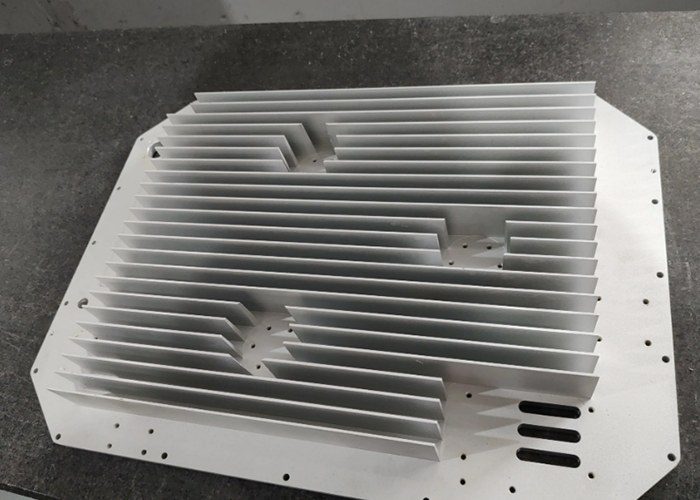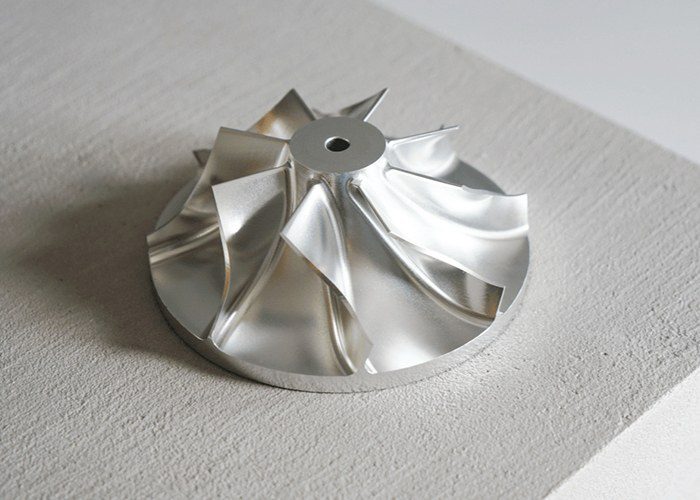
Few processes in modern manufacturing are as essential and adaptable as CNC turning, a cornerstone of the production landscape. At its heart lies the production of CNC turned metal parts – components that range from tiny medical screws to substantial automotive shafts. While often overshadowed by more glamorous technologies like 3D printing, CNC turning remains the quiet workhorse of industry, delivering unmatched precision, repeatability, and surface finish. This article explores the technology behind CNC turned parts, their key advantages, common materials, and the diverse industries that depend on them.
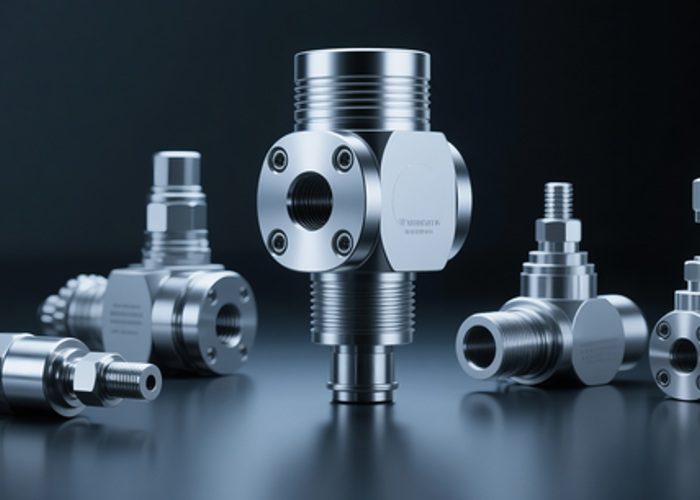
What is CNC Turning?
CNC (Computer Numerical Control) turning is a subtractive machining process. A rotating cylindrical workpiece is held securely in a chuck, while a stationary cutting tool moves linearly along the axis of rotation to remove material. The term “turning” refers to the rotation of the part; the tool literally “turns” the raw stock into a finished shape. Modern CNC lathes and turning centers are controlled by precise G-code instructions, allowing for complex geometries, tight tolerances (often within ±0.005 mm or better), and fully automated production.
Unlike manual lathes that rely on a skilled operator’s constant adjustment, CNC turning eliminates human error. Once a program is verified, the machine can produce thousands of identical parts with microscopic consistency. This repeatability is the core reason why turned metal parts are preferred for high-volume and mission-critical applications.
The Key Advantages
Why do engineers specify CNC turned parts instead of alternatives like casting, forging, or even additive manufacturing? Several compelling reasons stand out:
- Exceptional Surface Finish: Turning leaves a smooth, polished surface that often requires no secondary finishing. For shafts, pins, and bushings that must slide or rotate against other components, this low surface roughness is essential for reducing friction and wear.
- Tight Tolerances: Industries such as aerospace and medical devices demand parts that fit perfectly. CNC turning can consistently hold tolerances of 0.01 mm or finer, ensuring that a piston moves freely without excessive clearance.
- Material Versatility: From soft aluminum and brass to hardened stainless steel, titanium, Inconel, and even plastics like PEEK, CNC turning handles a vast range of materials. Each material presents unique challenges in chip control and tool wear, but modern carbide and ceramic tooling can manage them effectively.
- High Efficiency with Live Tooling: Advanced CNC turning centers are equipped with “live tooling” – rotating cutting tools that can drill cross-holes, mill flats, or cut slots without removing the workpiece from the machine. This reduces setup time and part handling, improving accuracy.
- Cost-Effective for Medium to High Volumes: For runs of hundreds to millions of parts, CNC turning offers an excellent cost-per-part ratio. While initial programming and tooling require investment, the rapid cycle times and minimal scrap make it very economical.
Common Materials and Shapes
The most frequently turned metals include:
- Aluminum (6061, 7075): Easy to machine, lightweight, corrosion-resistant. Ideal for aerospace fittings, electronic housings, and automotive pulleys.
- Stainless Steel (303, 304, 316): Strong, hard, and corrosion-resistant. 303 stainless is free-machining, perfect for medical instruments, food equipment, and marine hardware.
- Brass: Excellent machinability, low friction, attractive appearance. Common in plumbing fittings, electrical terminals, and decorative components.
- Steel (12L14, 1045, 4140): Strong and affordable. Used for hydraulic fittings, gear blanks, and general machinery shafts.
- Titanium (Grade 5): High strength-to-weight ratio and biocompatibility. Found in aircraft landing gear components and surgical implants.
The shapes produced are predominantly cylindrical: shafts, pins, bushings, rollers, threaded studs, flanged couplings, and stepped cones. However, with live tooling and Y-axis capability, turned parts can also incorporate hexagonal flats, keyways, and off-center holes.
Critical Industries Relying on Turned Parts
CNC turned metal parts are everywhere, often hidden from plain sight:
- Automotive: Engine valves, transmission shafts, wheel hubs, sensor housings.
- Aerospace: Hydraulic fittings, landing gear pins, engine bolts – all requiring traceable materials and extreme reliability.
- Medical: Bone screws, surgical guide pins, dental implant abutments, and components for robotic surgery instruments.
- Oil & Gas: Valve stems, pump shafts, and connector bodies capable of resisting high pressure and corrosive downhole conditions.
- General Industrial: Rollers for conveyor systems, motor shafts, pneumatic cylinder rods, and countless custom adapters.
Quality Control and Future Trends
Producing a turned part is only half the story; verifying its quality is equally crucial. Reputable shops employ in-process gauging, optical comparators, and Coordinate Measuring Machines (CMMs) to check critical dimensions. Surface roughness testers ensure the finish meets specifications. For aerospace and medical parts, complete material certifications and inspection reports are standard.
Looking ahead, CNC turning continues to evolve. Swiss-type lathes are gaining popularity for producing ultra-small, complex parts (think pacemaker components). Automation via bar feeders and robotic part handlers enables lights-out manufacturing – running machines unattended overnight. Additionally, the integration of IoT sensors allows real-time monitoring of tool wear and vibration, predicting maintenance before a failure occurs.
Conclusion
CNC turned metal parts may lack the futuristic allure of generative design or metal 3D printing, but their reliability, precision, and cost-effectiveness ensure they remain indispensable. From the engine that powers your car to the surgical tool that saves a life, turned components provide the structural integrity and dimensional accuracy that modern engineering demands. As manufacturing embraces Industry 4.0, CNC turning is not being replaced – it is getting smarter, faster, and more connected. For any design engineer or procurement specialist, understanding the capabilities of this classic process is not just useful; it is essential.