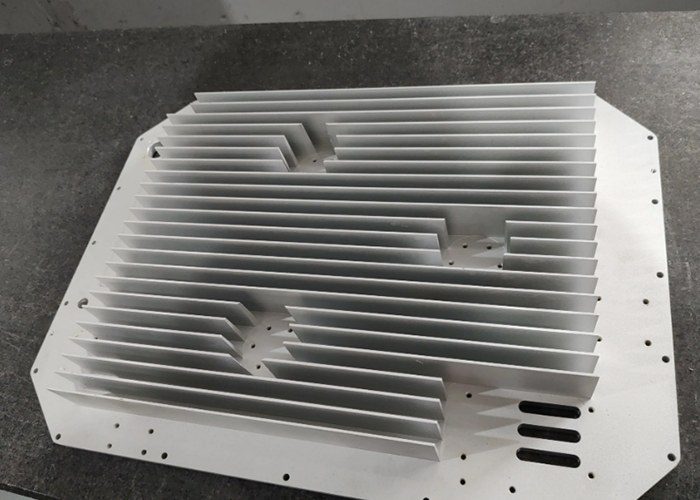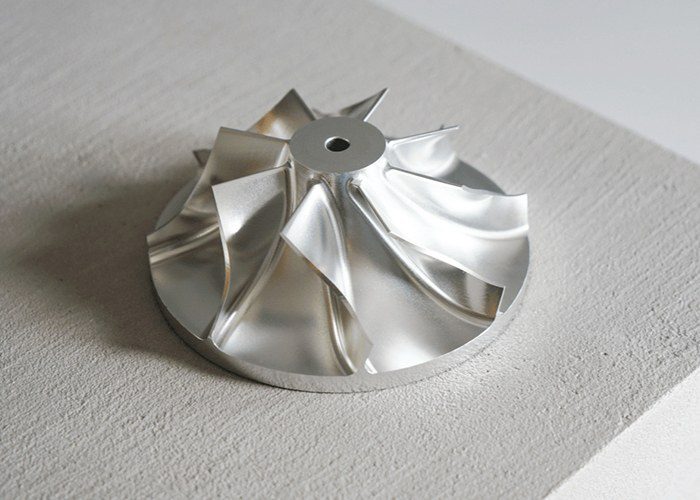
In the landscape of modern manufacturing, few material-process combinations have proven as transformative as CNC turned aluminum components. Computer Numerical Control (CNC) turning, performed on advanced CNC lathes and turning centers, has elevated aluminum from a lightweight metal to an engineering cornerstone across aerospace, automotive, medical, electronics, and industrial machinery sectors. The synergy between aluminum’s innate material properties and the precision of CNC turning creates components that are not only dimensionally exact but also performance-optimized for the most demanding applications.
The Material Advantage: Why Aluminum Excels in CNC Turning
Aluminum’s dominance in CNC turning stems from a remarkable combination of physical and mechanical properties. With a density of approximately 2.7 g/cm³, aluminum is significantly lighter than steel or copper, making it indispensable for weight-sensitive applications. Yet this lightness does not come at the expense of strength—aluminum alloys such as 6061, 7075, and 2024 offer exceptional strength-to-weight ratios that rival many heavier metals.
From a machining perspective, aluminum is exceptionally well-suited to CNC turning. With its moderate hardness, robust ductility, and stable cutting dynamics, this material facilitates aggressive machining parameters that dramatically slash overall production times. Compared with high-hardness metals, aluminum generates significantly lower cutting resistance, enabling smoother spindle operation, reduced workpiece deformation, and extended machine life. This machinability advantage becomes especially critical in high-volume production environments where productivity and consistency are paramount.
Aluminum’s excellent thermal conductivity further enhances its machining characteristics. Heat generated during cutting is rapidly dissipated, reducing tool wear and allowing sustained high-speed operation. The material produces continuous chips that, when properly managed, evacuate cleanly and prevent the secondary cutting that can damage both tools and finished surfaces.
The CNC Turning Process: From Raw Material to Precision Component
The journey of a CNC turned aluminum component begins with material selection. Engineers choose specific aluminum alloys based on application requirements—6061 for general-purpose components with excellent corrosion resistance, 7075 for aerospace applications demanding maximum strength, or 2024 for high-fatigue-resistance structural parts.
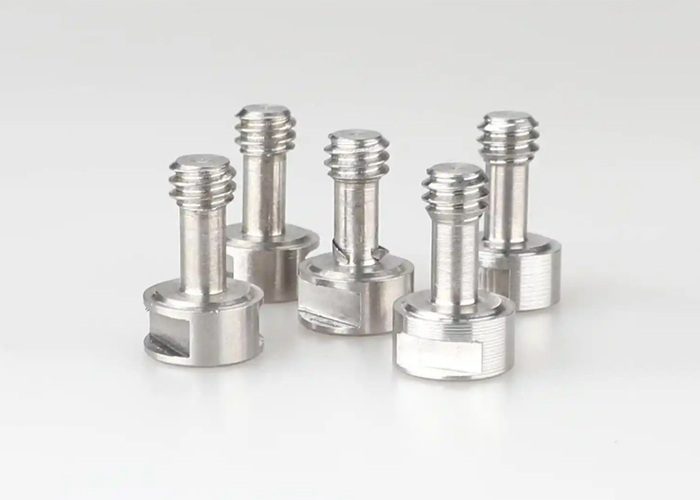
Once the material is selected, skilled programmers create precise machining instructions using CAD/CAM software. The actual turning operation takes place on CNC turning centers equipped with specialized tooling. The workpiece rotates at high speed while stationary cutting tools perform operations including facing (creating flat surfaces), threading, grooving, tapering, drilling, and boring. Modern CNC lathes can achieve tolerances as tight as ±0.01 mm, ensuring consistent quality across production runs.
Critical to success is the optimization of machining parameters. Cutting speed, feed rate, depth of cut, and tool selection must be carefully balanced. For common alloy 6061, recommended cutting speeds typically range from 300 to 400 m/min with carbide tooling. Tool geometry and chipbreaker design play crucial roles in preventing the built-up edge (BUE) formation that can occur when machining softer aluminum grades.
Surface Finishing: Enhancing Performance and Aesthetics
The quality of a CNC turned aluminum component extends beyond its dimensional accuracy to its surface characteristics. Aluminum can achieve exceptionally smooth surface finishes under optimized turning conditions, with roughness values (Ra) potentially reaching below 0.5 µm.
However, many applications require additional surface treatments to enhance functionality and longevity. Anodizing is among the most popular finishes for CNC turned aluminum parts. This electrochemical process converts the aluminum surface itself into a protective oxide layer, improving corrosion resistance, surface hardness, and wear resistance while enabling colored finishes for aesthetic or identification purposes. Unlike paint or coatings, anodized layers become part of the base material and are less likely to peel or chip under normal use.
Other finishing options include polishing for mirror-like surfaces, brushing for satin textures, chemical conversion coatings for aerospace applications, and powder coating for durable, colorful finishes. Each finish serves specific functional and aesthetic requirements, from reducing friction to providing electromagnetic shielding.
Industry Applications: Where Precision Meets Performance
CNC turned aluminum components have become indispensable across a remarkable range of industries. In automotive manufacturing, these parts appear in engine components, transmission systems, suspension elements, and chassis structures. Their lightweight properties directly contribute to improved fuel efficiency and vehicle performance, while aluminum’s corrosion resistance ensures durability in demanding under-hood environments.
The aerospace sector imposes the most exacting benchmarks for precision and dependability. Accordingly, CNC turned aluminum components, ranging from actuator parts and sensor housings to connectors and structural fittings, must satisfy severe strength-to-weight criteria without compromising ultra-tight tolerances. Aluminum’s non-magnetic properties also make it ideal for sensitive avionics equipment.
In medical device manufacturing, precision is literally a matter of life and health. CNC turned aluminum parts are used in surgical instruments, diagnostic equipment, prosthetics, and implantable device components. Aluminum’s biocompatibility and corrosion resistance, combined with the high precision of CNC turning, ensure that medical devices meet strict regulatory standards.
The electronics and telecommunications industry relies on CNC turned aluminum for heat sinks, connectors, enclosures, and mounting brackets. Aluminum’s excellent thermal conductivity enables efficient heat dissipation in electronic devices, while its electromagnetic shielding properties protect sensitive components.
Industrial machinery and robotics applications leverage aluminum’s strength and durability in precision gears, couplings, actuator parts, and automation system components. The precision of CNC turning ensures that these parts meet the operational requirements of heavy-duty industrial equipment.
Market Outlook and Future Trends
The global market for aluminum CNC machining services reflects the growing importance of these components. Valued at approximately US3.57billionin2024, representing a compound annual growth rate of 7.2%. The precision turned products market more broadly is projected to grow from USD 104 billion in 2025 to USD 143 billion by 2031.
This growth is driven by increasing demand for lightweight, high-precision components across automotive electrification, aerospace innovation, medical technology advancement, and electronics miniaturization. As industries continue to prioritize efficiency, sustainability, and performance, CNC turned aluminum components will remain at the forefront of precision manufacturing—a testament to the enduring value of combining the right material with the right process.