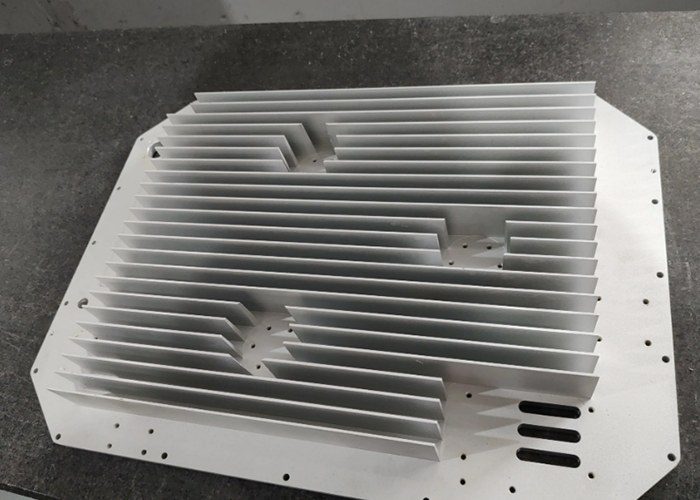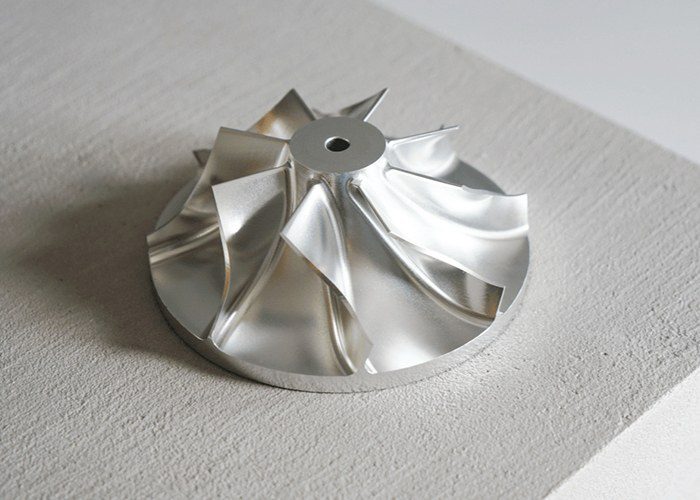
In the modern landscape of manufacturing and fabrication, precision is not merely a goal; it is the baseline. Among the myriad technologies that have enabled this era of exactitude, Computer Numerical Control (CNC) routing machining stands out as a cornerstone of industrial production, prototyping, and even artistic creation. Often confused with its heavier cousin, CNC milling, CNC routing occupies a unique niche defined by speed, versatility, and an exceptional ability to handle sheet materials with grace and accuracy.
At its core, CNC routing is a subtractive manufacturing process. This means it creates parts by systematically removing material from a solid block or sheet, guided by digital instructions. Unlike manual routing, which relies entirely on the steady hand of a human operator, CNC routing translates computer-aided design (CAD) files into a series of precise, high-speed movements. The machine’s router—a high-rpm spindle fitted with a cutting bit—moves along three primary axes (X, Y, and Z) to carve out the desired geometry.
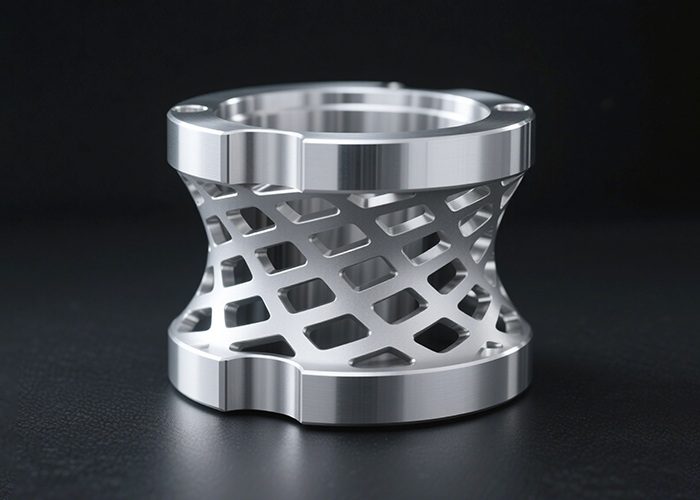
While the mechanics may sound similar to CNC milling, the distinction lies primarily in the materials processed and the speed of operation. CNC routers are optimized for softer, often sheet-based materials. Woodworking remains the most traditional application, with routers cutting cabinet components, intricate moldings, and ornate furniture inlays at a speed and repeatability that handcrafting cannot match. However, the scope has expanded dramatically. Modern routers glide through non-ferrous metals like aluminum and brass, plastics such as acrylic and polycarbonate, high-density foams, and advanced composites used in aerospace and automotive industries.
The true magic of CNC routing lies in its architecture of precision. A standard CNC router functions as a three-dimensional system of motion. The workpiece typically remains stationary on a bed—often a vacuum table that holds it firmly in place without the need for clamps—while the spindle moves overhead. This setup is ideal for processing large sheets of plywood, aluminum composite panels, or solid surface materials like Corian. The software ecosystem driving the machine is equally critical. It begins with CAD software to design the part, moves to CAM (Computer-Aided Manufacturing) software to generate toolpaths, and culminates in the post-processor that translates these paths into G-code—the language of the machine.
For industries, the adoption of CNC routing technology yields a distinct competitive advantage. The first benefit is unparalleled repeatability. Once a design is programmed, the machine can produce the exact same part thousands of times with tolerances as tight as a few thousandths of an inch. This consistency ensures that components are interchangeable, drastically reducing assembly errors. The second advantage is complexity without compromise. Intricate geometries that would require hours of manual labor or multiple different tools can be executed in a single operation. From 3D relief carvings to precisely angled cuts and interlocking joinery, the router handles complexity as easily as it handles a straight line.
Efficiency also manifests in material utilization. Advanced nesting software allows operators to arrange parts on a sheet in the most space-efficient pattern possible. By minimizing the gap between components, manufacturers can reduce waste by up to 20% or more, a significant savings in industries dealing with expensive raw materials like solid wood slabs or marine-grade aluminum.
Despite its automated nature, CNC routing is not a “set it and forget it” operation. Mastery of the craft requires a deep understanding of feeds and speeds—the relationship between how fast the spindle rotates (speed) and how quickly it moves through the material (feed rate). Incorrect parameters can lead to tool breakage, burning of the material, or a poor surface finish. Tool selection is equally critical. Compression spirals, for instance, are often used in plywood to pull the top surface down and the bottom surface up, preventing the unsightly fraying known as “tear-out.”
Looking toward the future, CNC routing is evolving to meet the demands of Industry 4.0. Modern routers are increasingly integrated with automation. Tool changers allow a single machine to switch from a roughing bit to a finishing bit without human intervention. Dust collection systems have become more sophisticated, essential for maintaining air quality when cutting composites or MDF. Furthermore, connectivity is rising; machines now feature IoT (Internet of Things) capabilities that allow operators to monitor production remotely, track tool wear in real-time, and predict maintenance needs before a breakdown occurs.
However, the accessibility of CNC routing is perhaps its most profound impact. While industrial 5-axis routers remain the domain of high-end manufacturing, the proliferation of desktop CNC routers has democratized fabrication. Small businesses, independent luthiers crafting guitars, sign makers, and educational institutions now have access to technology that was once reserved for massive factories. This accessibility fosters innovation, allowing entrepreneurs to prototype products in-house, iterate quickly, and bring ideas to market with a speed that was unimaginable just two decades ago.
In conclusion, CNC routing machining represents a synthesis of digital design and physical production. It bridges the gap between the intangible world of code and the tangible world of wood, metal, and plastic. By offering a combination of speed, precision, and versatility, it has become indispensable across sectors ranging from aerospace engineering to bespoke furniture design. As software becomes more intuitive and machines become smarter, the role of the CNC router will only expand, continuing to shape the way we build, create, and innovate. For anyone looking to enter the field of modern manufacturing, understanding the capabilities of the CNC router is not just a technical skill—it is a foundational necessity.