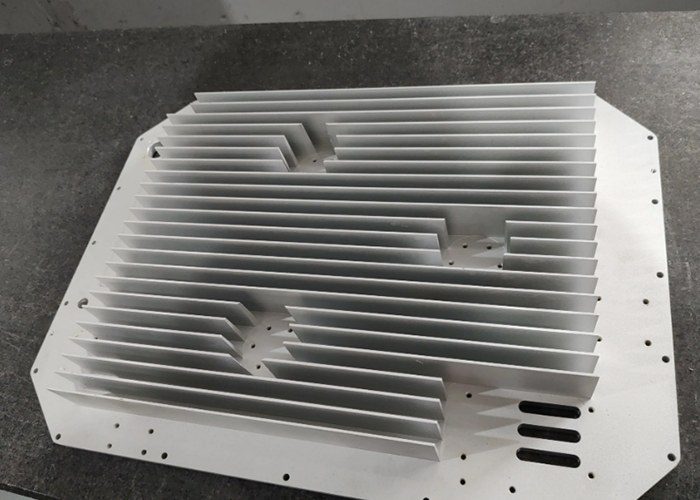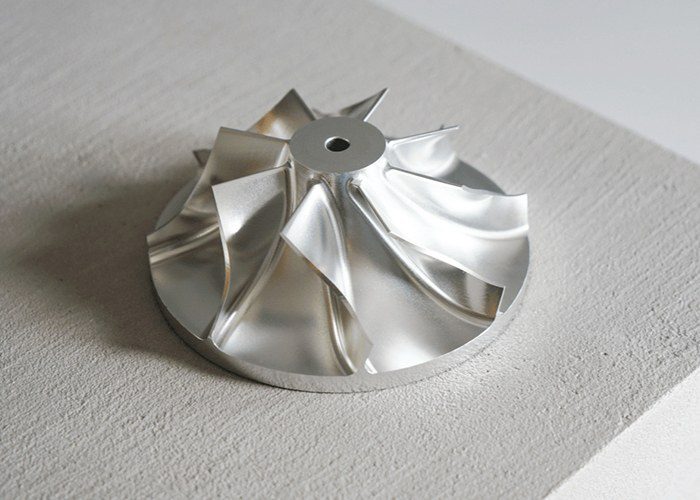
In the pantheon of modern manufacturing, few combinations are as ubiquitous yet as challenging as Computer Numerical Control (CNC) machining applied to stainless steel. This pairing represents a paradox of modern engineering: a material prized for its resilience paired with a process defined by precision. Stainless steel is the backbone of industries ranging from medical implants to aerospace structural components, and CNC machining is the tool that transforms this stubborn alloy from a raw ingot into a finished product with tolerances measured in microns.
To understand the gravity of CNC machining stainless steel, one must first appreciate the material’s dual nature. Stainless steel is fundamentally an iron alloy with a minimum of 10.5% chromium content, which forms a passive layer of chromium oxide on the surface, rendering it “stainless.” However, this corrosion resistance comes at a cost. Unlike aluminum or plastics, stainless steel is a poor conductor of heat and exhibits significant work hardening. This means that as a cutting tool engages with the material, the surface layer becomes harder and more resistant to further cutting. If a machinist uses improper feeds or speeds, the material can “fight back,” work-hardening to the point of dulling even carbide tooling almost instantaneously. Consequently, machining stainless steel is less about brute force and more about a calculated strategy of heat management and chip control.
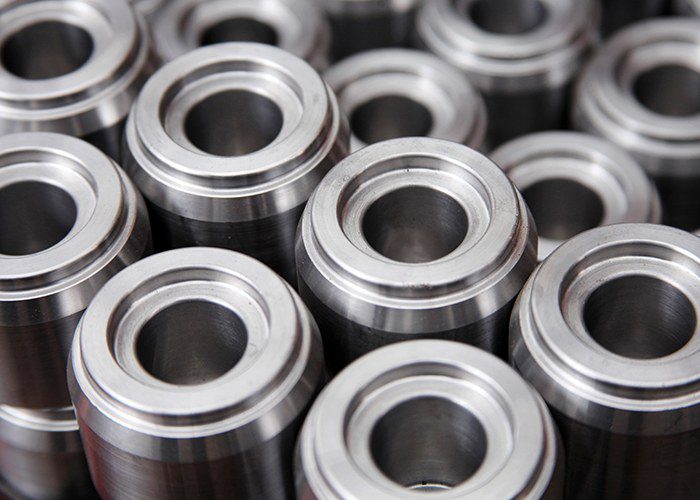
The selection of the specific grade of stainless steel dictates the machining strategy. The 300 series (such as 304 and 316), known as austenitic stainless steels, are the most common. They offer exceptional corrosion resistance and formability, but they are notorious for their gummy nature and tendency to work harden. Machining 304 stainless is often compared to machining taffy; it requires sharp, positive rake angles to shear the material cleanly rather than push it. On the other end of the spectrum are the martensitic and precipitation-hardening grades (like 17-4 PH). These can be machined in their annealed state to a high finish, but they require different considerations regarding heat treatment post-machining to achieve final hardness without distorting the part geometry.
From a technical perspective, successful CNC machining of stainless steel hinges on three pillars: tooling geometry, coolant application, and rigid fixturing.
Tooling is the first line of defense. In the past, high-speed steel (HSS) tools were standard, but modern CNC operations rely almost exclusively on solid carbide or carbide-tipped tooling. The geometry is critical; tools must have sharp cutting edges to slice through the material’s tough surface layer. Micro-drills and end mills designed specifically for stainless often feature variable helix angles and specialized coatings such as TiAlN (Titanium Aluminum Nitride) or AlTiN. These coatings act as thermal barriers, allowing the tool to withstand the intense heat generated at the cutting zone—heat which, if left unchecked, leads to premature tool failure and poor surface integrity.
Coolant and chip evacuation represent the second pillar. Because stainless steel retains heat, the coolant strategy must ensure that chips are evacuated swiftly. Recutting chips—a scenario where a hot, hardened chip is re-engaged by the cutter—is a primary cause of tool failure. High-pressure coolant (HPC) systems have become standard in advanced CNC mills and lathes when working with stainless. By directing a high-velocity stream of coolant precisely at the cutting interface, machinists can hydraulically break chips and flush them away before they can cause work hardening or mar the surface finish.
Machine rigidity and workholding complete the triad. Stainless steel requires significant cutting forces. A CNC machine with low rigidity or a workpiece held in a flimsy fixture will experience chatter. Chatter is the enemy of precision; it creates harmonic vibrations that result in poor surface finish (often referred to as “chatter marks”) and accelerates tool wear. For this reason, machinists often employ “pecking” cycles for drilling to break chips and reduce load, while utilizing hydraulic or shrink-fit tool holders to ensure that the cutting tool has zero runout, providing the stability necessary to achieve tight tolerances.
The applications for CNC machined stainless steel components are as varied as they are critical. In the medical sector, 316L stainless steel (the “L” denoting lower carbon content for improved corrosion resistance) is machined into surgical instruments, bone screws, and orthopedic implants. The biological stakes are high; a poorly machined surface can harbor bacteria or lead to implant failure. In the oil and gas industry, components must withstand hydrogen sulfide and extreme pressures. Here, duplex stainless steels are machined into valve bodies and subsea connectors, demanding absolute precision to ensure leak-proof assemblies.
Looking toward the future, the CNC machining of stainless steel is evolving through automation and hybrid manufacturing. As CNC machines become increasingly equipped with tool condition monitoring systems, they can adapt feed rates in real-time to compensate for tool wear, ensuring consistency across high-volume production runs. Additionally, the rise of Swiss-type lathes has revolutionized the machining of small, complex stainless steel components—such as those found in electronics and aerospace—by allowing multiple operations to be performed simultaneously with exceptional concentricity.
In conclusion, CNC machining stainless steel is a discipline that marries the art of metallurgy with the science of subtractive manufacturing. It demands respect for the material’s characteristics: its toughness, its thermal resistance, and its propensity to harden. For the skilled machinist, mastering this alloy is the ultimate benchmark. It signifies an ability to control heat, manage forces, and coax a high-performance, corrosion-resistant component from one of the most unforgiving materials in the industrial world. As manufacturing tolerances continue to shrink and the demand for durable, sterile, and high-strength components grows, the synergy between advanced CNC technology and stainless steel will remain a cornerstone of industrial innovation