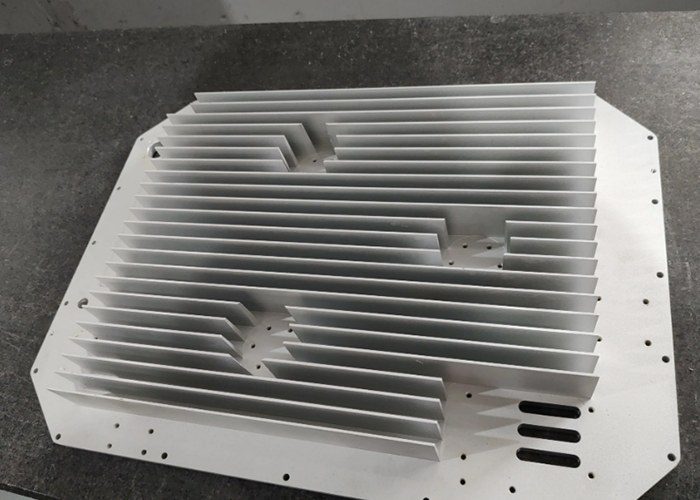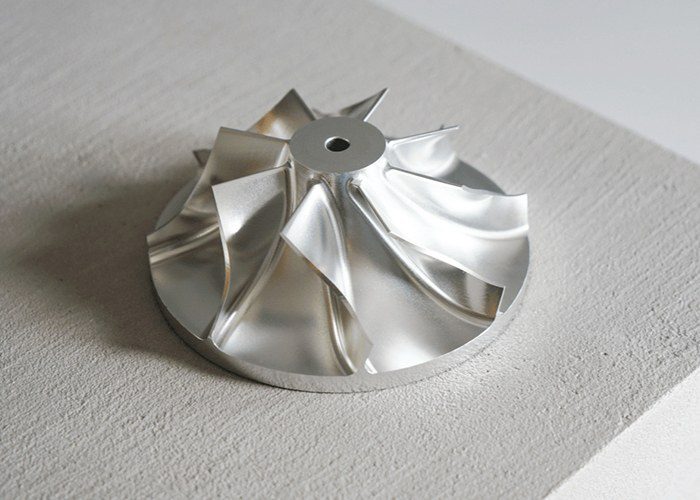
In the modern landscape of manufacturing, few technologies have been as transformative as Computer Numerical Control (CNC) machining and fabrication. What began as a method to automate the movement of machine tools has evolved into the backbone of industrial production, enabling the creation of components with tolerances measured in microns. From the titanium alloys used in aerospace engineering to the aluminum casings of consumer electronics, CNC machining is the silent force that turns digital blueprints into physical reality. This article explores the intricacies of CNC machining, its evolution, its role in modern fabrication, and why it remains the gold standard for precision manufacturing.
The Fundamentals of CNC Machining
At its core, CNC machining is a subtractive manufacturing process. Unlike 3D printing, which adds material layer by layer, CNC machining starts with a solid block—known as a “blank” or “workpiece”—and removes material to achieve the desired geometry. The “CNC” aspect refers to the automation of machine tools via pre-programmed computer software. The language that drives these machines is called G-code, which dictates every minute action: spindle speed, feed rate, tool path coordination, and coolant flow.
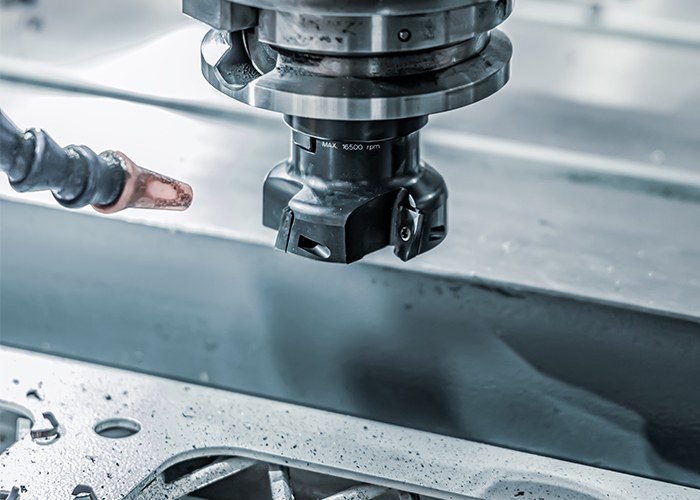
The primary machines in this domain include CNC mills, lathes, routers, and plasma cutters. A CNC mill utilizes rotary cutting tools to remove material from a stationary workpiece, capable of operating on multiple axes. Standard 3-axis machines handle basic geometries, while 5-axis machines can manipulate the tool or workpiece along five different axes simultaneously. This capability allows for the creation of incredibly complex parts, such as turbine blades or prosthetic joints, in a single setup, drastically reducing error rates associated with manual repositioning.
From Prototyping to Mass Production
One of the greatest strengths of CNC fabrication is its scalability. In the prototyping phase, it is indispensable. Engineers can upload a Computer-Aided Design (CAD) file to a CNC machine and receive a functional prototype made from the actual end-use material within hours. This allows for rigorous testing of mechanical properties, thermal resistance, and structural integrity before committing to mass production.
When moving to production, CNC machining offers consistency that manual machining cannot match. Once a program is verified, the machine can replicate that part thousands of times with identical precision. In high-volume runs, CNC machines operate lights-out manufacturing—running unattended during off-hours, monitored only by sensors and software. This maximizes throughput and reduces the cost per unit, making it economically viable for industries ranging from automotive manufacturing to medical device production.
Material Versatility
Fabrication via CNC is distinguished by its extensive material compatibility. While additive manufacturing is often limited by proprietary polymers or specific metal powders, CNC machining works with the engineering material of choice.
Metals are the most common substrates, including aluminum 6061 (prized for its strength-to-weight ratio), stainless steel (for corrosion resistance), brass, copper, and high-temperature superalloys like Inconel. For the plastics industry, CNC routers and mills handle everything from ABS and Polycarbonate for structural components to PTFE and PEEK, which are essential for medical implants due to their biocompatibility. Furthermore, modern CNC fabrication extends to composites like carbon fiber and wood, demonstrating the versatility of the technology across sectors.
The Role of CNC in Broader Fabrication Ecosystems
CNC machining rarely exists in a vacuum. It is often a critical component of a larger fabrication ecosystem that includes sheet metal fabrication, welding, and finishing.
For instance, in sheet metal fabrication, a laser cutter (often CNC-controlled) will cut the initial profile of a part. A CNC press brake will then bend that sheet metal to precise angles. However, if the assembly requires a structural bracket with complex internal geometry that cannot be achieved through bending alone, a CNC mill will be used to create that bracket from solid stock. This hybrid approach—combining forming, cutting, and subtractive machining—allows fabricators to optimize for cost and performance. After machining, secondary processes such as anodizing, powder coating, or heat treatment are often applied to enhance durability and aesthetics.
Quality Control and Precision
The phrase “tight tolerances” is synonymous with CNC machining. In industries like aerospace and defense, failure is not an option. CNC fabrication facilities utilize rigorous quality control protocols to ensure compliance with standards such as ISO 9001 or AS9100.
During the machining process, in-process probing allows the machine to measure the part mid-cycle and automatically adjust for tool wear. Post-production, Coordinate Measuring Machines (CMM) verify that the part’s dimensions match the CAD model exactly. This level of scrutiny ensures that components designed in Seattle or Stuttgart will fit perfectly with components manufactured in Tokyo, facilitating the global supply chains that define modern industry.
The Digital Integration: Industry 4.0
The current evolution of CNC machining is being driven by Industry 4.0—the digitalization of manufacturing. Modern CNC machines are “smart” devices connected to the Internet of Things (IoT). They collect data on spindle load, vibration, temperature, and cycle times. This data is analyzed to predict maintenance needs before a breakdown occurs (predictive maintenance) and to optimize tool paths for energy efficiency.
Digital twins are also becoming prevalent. Before a machinist cuts a single chip of metal, they simulate the entire machining process in a virtual environment. This digital twin identifies potential collisions, inefficient tool paths, or problematic vibrations (chatter), ensuring that when the machine finally runs, the process is optimized for speed and safety.
Challenges and Skilled Labor
Despite the automation, CNC machining is not a “push-button” industry. It requires a highly skilled workforce. A modern CNC machinist must be a hybrid professional: part mechanical engineer, part software programmer, and part metrologist. The industry faces a significant skills gap, as the generation of manual machinists retires and the demand for digital manufacturing expertise grows. To address this, apprenticeship programs and advanced manufacturing degrees are becoming essential to cultivate talent capable of programming complex 5-axis machines and robotic fabrication cells.
Conclusion
CNC machining and fabrication represent the intersection of digital design and physical production. As technologies like Artificial Intelligence (AI) begin to optimize tool paths and automation continues to reduce human error, the precision and speed of CNC machining will only increase. Whether it is enabling the miniaturization of medical implants or the scale of heavy machinery, CNC machining remains the definitive answer to the question of how complex ideas are made real. In a world that demands higher quality, faster turnaround, and materials that push the boundaries of science, CNC machining stands as the enduring pillar of modern manufacturing.