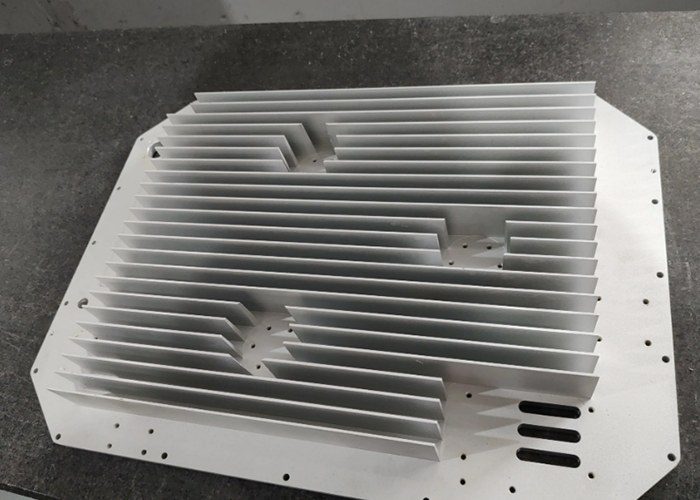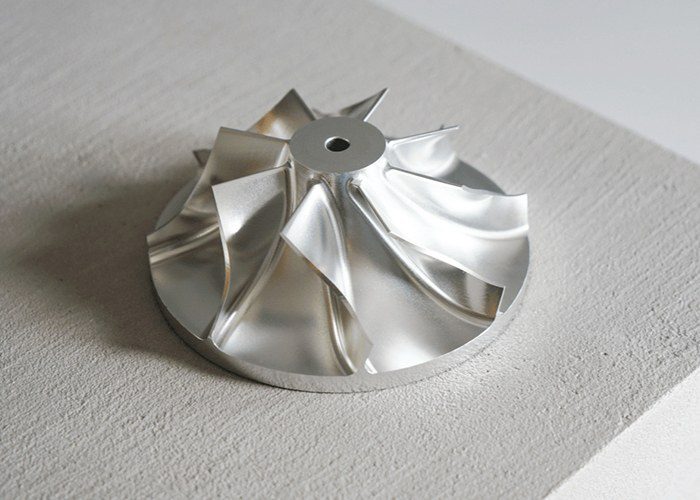
In the world of cycling, the pursuit of performance is unrelenting. Whether it’s shaving off a few grams for a climber’s advantage or ensuring absolute rigidity for a downhill racer, every component matters. At the heart of this pursuit lies a manufacturing process that has revolutionized the industry: CNC machining. From the gears that shift under immense load to the stem that connects rider to machine, CNC (Computer Numerical Control) machining has become the gold standard for producing high-end bike parts that offer unparalleled precision, strength, and aesthetics.
What is CNC Machining?
CNC machining is a subtractive manufacturing process that uses pre-programmed software to control the movement of factory tools and machinery. Unlike 3D printing (additive manufacturing), which builds objects layer by layer, CNC machining starts with a solid block of material—typically aluminum, titanium, steel, or carbon fiber—and carves away the excess to create the final part. This process allows for tolerances measured in microns (thousandths of a millimeter), which is critical for components that must interface perfectly under high stress.
The Advantages of CNC Machining in Cycling
Why has CNC machining become the go-to method for premium bike components? The answer lies in three key areas: material integrity, precision, and design freedom.
1. Uncompromising Material Quality
When a part is CNC machined from a solid billet of 6061-T6 or 7075-T6 aluminum (or aerospace-grade titanium), the internal grain structure of the metal remains intact. In contrast, casting or forging can sometimes introduce porosity or uneven stress distribution. For components like brake levers, cranksets, or stems, this structural integrity translates directly to safety and longevity. Riders can trust that a CNC-machined pedal spindle or derailleur hanger won’t fail under the explosive power of a sprint or the repetitive shocks of a gravel trail.
2. Extreme Precision and Tolerances
Shifting performance on a modern bicycle relies on micro-movements. A rear derailleur must move exactly 2.5 millimeters to change gears seamlessly. If the pivot points in that derailleur are off by even a fraction of a millimeter, the bike will ghost shift or suffer from sluggish response. CNC machining ensures that bearing seats, threads, and mating surfaces are perfectly concentric and square. This precision reduces friction, increases mechanical efficiency, and ensures that high-end groupsets from brands like Shimano or SRAM perform exactly as engineered.
3. Complex Geometry and Weight Reduction
One of the most visually striking aspects of CNC-machined bike parts is their aesthetic. Because the process allows for complex toolpaths, engineers can remove material where it isn’t needed while leaving it where strength is required. This results in the skeletal, “sculpted” look common in high-end stems, chainrings, and disc brake calipers. This topology optimization allows manufacturers to create parts that are lighter than their forged or cast counterparts without sacrificing stiffness. For weight-conscious cyclists, every gram saved via strategic machining translates to faster climbs and snappier handling.
Common CNC Machined Bike Components
While almost any metal component can be machined, certain parts benefit disproportionately from the process:
- Stems and Handlebars: CNC-machined stems offer superior clamping force and steering precision. The faceplates often feature intricate machining to reduce weight while maintaining the 8–10 Newton-meters of torque required to keep handlebars secure.
- Cranksets and Chainrings: High-end cranksets often start as a single billet of aluminum. CNC machining allows for the creation of hollow arms and integrated axles, reducing weight while maintaining stiffness. Machined chainrings, particularly narrow-wide designs for 1x drivetrains, rely on precise tooth profiling to retain the chain even on the roughest terrain.
- Brake Calipers: Hydraulic disc brake calipers require perfectly flat mounting surfaces and smooth, precise piston bores. CNC machining ensures that pistons move freely without leaking fluid, providing consistent stopping power.
- Derailleurs and Shifters: While many entry-level derailleurs are stamped from sheet metal, high-end versions use machined aluminum for the parallelogram structure, ensuring crisp, reliable shifting under load.
- Pedals: Flat pedals with replaceable pins and clipless pedal mechanisms require tight tolerances to ensure consistent engagement and release. CNC machining allows for the complex shapes needed for grip and durability.
The Role of CNC in Customization and Aftermarket Parts
Beyond mass production, CNC machining is the backbone of the custom bicycle industry. Small brands and boutique manufacturers use CNC machining to produce limited-run components that cater to niche markets. If a cyclist needs a specific stem length (like 35mm or 130mm) or a unique derailleur hanger for a vintage frame, CNC machining makes it possible without the multi-thousand-unit minimums required for casting.
Furthermore, the aftermarket scene thrives on CNC parts. Enthusiasts frequently upgrade to machined “dress-up” kits—such as oil caps, headset spacers, and bottle cage bolts—to add a touch of personalization and bling to their builds.
Sustainability and Future Trends
As the cycling industry moves toward sustainability, CNC machining offers interesting advantages. While it is subtractive and produces metal shavings (chips), these materials are 100% recyclable. Aluminum chips are easily melted down and reformed into new billets. Moreover, the durability of CNC parts means they rarely need replacement; a well-machined stem or crank can last a lifetime.
Looking forward, the integration of CNC machining with advanced simulation software and 5-axis milling machines is pushing boundaries. Manufacturers can now create parts with compound curves and undercuts that were previously impossible. We are also seeing a rise in “hybrid” manufacturing—using CNC machining to finish 3D-printed titanium lugs or carbon fiber frames, combining the best of additive and subtractive worlds.
Conclusion
CNC machining is more than just a manufacturing method for bike parts; it is a philosophy of precision and performance. It represents the intersection of engineering rigor and artistic expression. For the cyclist, riding a bike equipped with CNC-machined components is an exercise in confidence. Knowing that every shift is crisp, every brake engagement solid, and every component machined from a single piece of premium material to exacting standards. As bicycle technology continues to evolve—with electronic shifting, advanced suspension, and aerodynamic optimization—CNC machining will remain the essential tool that turns raw metal into the fine instruments we ride.