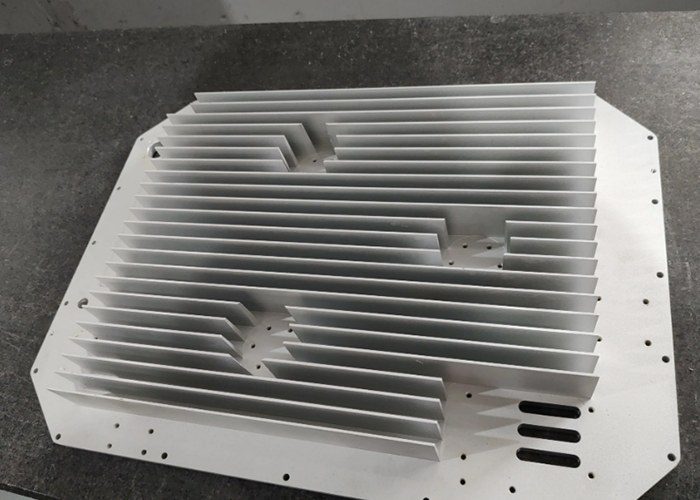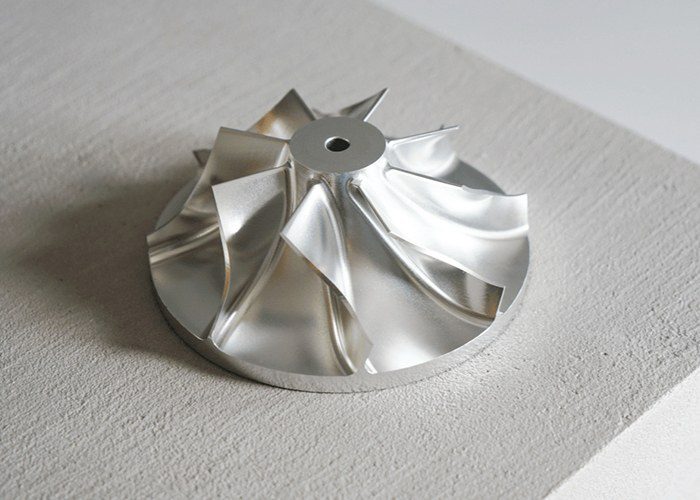
In the modern landscape of manufacturing, precision is not merely a metric—it is the currency of reliability. At the heart of this precision-driven industry lies CNC processing, a technological marvel that has redefined how we create metal parts. CNC, or Computer Numerical Control, represents the synthesis of digital design and physical fabrication. For engineers, product designers, and industrial buyers, understanding the nuances of CNC processing for metal parts is essential for navigating the complexities of modern production.
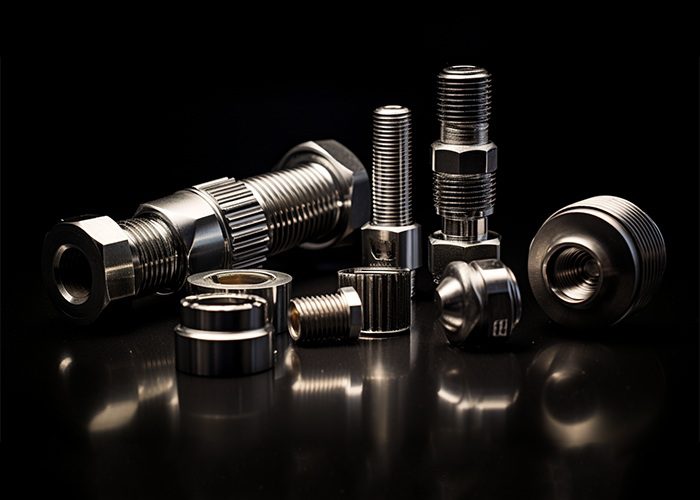
CNC processing is fundamentally a subtractive manufacturing method. Unlike 3D printing, which builds objects layer by layer, CNC machining starts with a solid block of metal—known as a workpiece—and meticulously removes material to achieve the desired geometry. This process is controlled by pre-programmed computer software that dictates the movement of factory tools and machinery. What makes CNC indispensable is its ability to execute complex cuts with a level of repeatability that manual machining simply cannot achieve.
The journey of a CNC machined metal part begins with a digital blueprint. Typically created in CAD (Computer-Aided Design) software, this model is then converted into a set of instructions through CAM (Computer-Aided Manufacturing) software. The resulting G-code directs the machine’s actions: spindle speed, tool path, coolant flow, and the precise coordinates of cuts. This digital thread ensures that the first part produced is identical to the ten-thousandth part, a consistency that is critical for industries ranging from aerospace to consumer electronics.
One of the most significant advantages of CNC processing is its versatility in handling a wide array of metals. From aluminum alloys, prized for their lightweight and machinability, to stainless steel, known for its strength and corrosion resistance, CNC machines can handle materials with varying hardness and thermal properties. Exotic metals like titanium, Inconel, and brass are also commonly processed, each presenting unique challenges that skilled machinists and robust machinery can overcome. This material flexibility allows businesses to select the optimal metal for their specific application, whether they require the electrical conductivity of copper or the wear resistance of hardened steel.
There are several primary types of CNC machines used in metal processing. CNC milling machines are perhaps the most common, utilizing rotating cutting tools to remove material. They excel at creating complex shapes, flat surfaces, and intricate cavities. CNC lathes, on the other hand, rotate the workpiece against a stationary cutting tool, making them ideal for cylindrical parts like shafts, bushings, and threaded components. For more complex geometries, multi-axis machining centers—such as 5-axis CNC machines—offer the ability to manipulate the tool or workpiece along five different axes simultaneously. This capability reduces the need for multiple setups, increases accuracy, and allows for the creation of parts with extreme geometric complexity in a single operation.
The applications for CNC machined metal parts are virtually limitless. In the aerospace industry, where safety margins are non-negotiable, CNC processing creates structural components, turbine blades, and landing gear parts that must withstand extreme stress and temperature fluctuations. In the medical field, it produces surgical instruments, orthopedic implants, and the housings for diagnostic equipment—parts that require both biocompatibility and flawless surface finishes. The automotive sector relies on CNC for engine components, transmission parts, and custom prototypes. Even in the world of consumer products, CNC machining is behind the sleek metal chassis of smartphones, high-end camera bodies, and luxury watch cases.
Quality control is an inseparable component of CNC processing. Because these parts often serve critical functions, dimensional accuracy must be verified. Modern CNC facilities employ rigorous inspection protocols using coordinate measuring machines (CMMs), laser scanners, and precision gauges. Tolerances in CNC machining can be held as tight as ±0.001 inches or even stricter, depending on the machine and material. This level of precision ensures that parts not only fit together perfectly but also perform as intended over their lifecycle.
However, CNC processing is not without its considerations. The initial cost of tooling and setup can be higher than other manufacturing methods, making it particularly well-suited for medium to high-volume production runs or for parts where precision cannot be compromised. Design for manufacturability (DFM) is a critical step in the process; engineers must consider factors like tool accessibility, internal radii, and material stress to avoid costly revisions. Fortunately, the evolution of CNC technology has led to faster setup times, automated tool changers, and real-time monitoring, which help mitigate these costs and improve efficiency.
Looking toward the future, CNC processing is evolving alongside Industry 4.0. The integration of IoT sensors, artificial intelligence, and adaptive machining is creating “smart factories” where machines communicate with each other and self-correct in real time. Automation through robotic arms for loading and unloading is reducing labor costs and increasing throughput, particularly for high-volume jobs. Additionally, the push toward sustainability is driving innovations in dry machining and minimum quantity lubrication (MQL), reducing the environmental impact of metalworking fluids.
In conclusion, CNC processing of metal parts remains the backbone of high-precision manufacturing. It bridges the gap between digital innovation and tangible products, offering unparalleled accuracy, material versatility, and scalability. Whether for a one-off prototype or a production run of thousands of units, CNC machining provides the reliability that industries depend on. As technology continues to advance, the capabilities of CNC processing will only expand, enabling designers and engineers to push the boundaries of what is possible in metal fabrication. For anyone involved in bringing durable, high-quality products to market, a deep understanding of CNC processing is not just an advantage—it is a necessity.