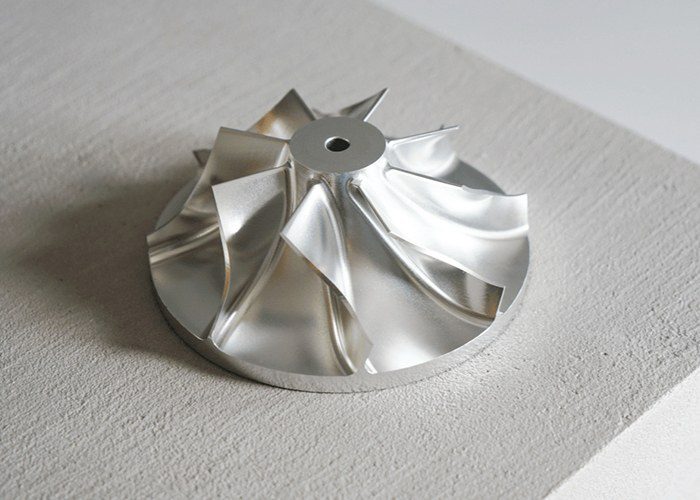
In the realm of precision manufacturing, few materials offer the unique combination of properties found in copper. Renowned for its exceptional electrical and thermal conductivity, corrosion resistance, and natural antimicrobial characteristics, copper is indispensable across industries ranging from electronics to aerospace. However, transforming this reddish-orange metal into high-performance components requires more than just standard machining practices—it demands a nuanced understanding of Computer Numerical Control (CNC) techniques tailored specifically for copper’s idiosyncrasies.
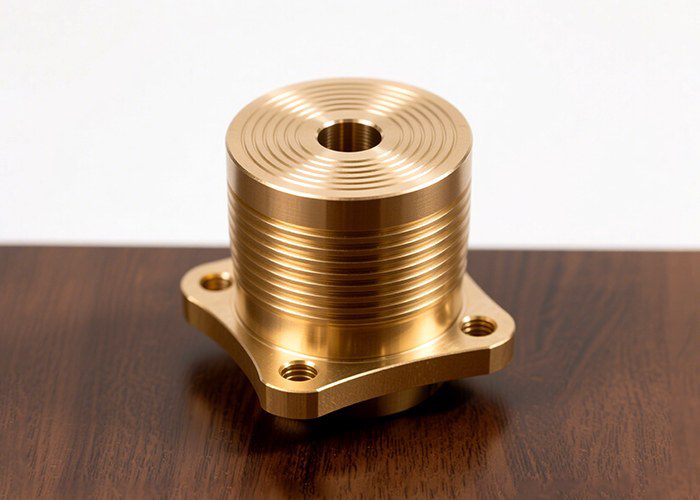
Understanding Copper’s Machinability Challenges
Copper occupies a paradoxical position in the machining world. While it is relatively soft compared to steels, its high ductility and tendency to work-harden make it notoriously difficult to machine effectively. Unlike aluminum, which produces clean, broken chips, copper behaves more like a sticky, gummy material that wants to adhere to cutting tools rather than shear away cleanly.
This “gummy” nature presents several challenges. During machining, copper chips can weld themselves to the cutting edge, creating a built-up edge that degrades surface finish and accelerates tool wear. Additionally, copper’s exceptional thermal conductivity means heat generated during cutting is rapidly conducted away from the shear zone—while beneficial for preventing workpiece overheating, this thermal behavior actually concentrates heat at the tool tip, potentially shortening tool life.
Material Selection: Choosing the Right Copper Grade
Not all copper alloys are created equal when it comes to machinability. The selection of appropriate copper grade significantly impacts both the manufacturing process and final part performance.
Electrolytic Tough Pitch (ETP) Copper (C11000) remains the most commonly specified grade, offering 100% IACS conductivity and good formability. However, its pure nature makes it challenging to machine, often producing long, stringy chips that entangle in fixtures.
For applications demanding superior machinability, Tellurium Copper (C14500) represents a significant advancement. The addition of tellurium modifies the microstructure, creating chip-breaking characteristics without substantially compromising electrical conductivity. Similarly, Sulfur Copper offers improved machinability for high-volume production runs.
Oxygen-Free Copper (C10100/C10200) provides the ultimate in purity and conductivity for semiconductor and vacuum applications, though machinists often report it feels even “gummier” under the tool than ETP grades.
Essential Strategies for Successful Copper Machining
Tooling Considerations
Successful copper CNC machining hinges on optimal tool selection. Solid carbide tools with sharp cutting edges are universally recommended over high-speed steel (HSS), as they maintain edge integrity longer and resist the abrasive wear caused by work-hardened chips.
Tool geometry matters profoundly. Positive rake angles between 18° and 25° facilitate shearing rather than pushing the material, while polished flutes help evacuate sticky chips before they can reweld. Many machinists prefer two-flute end mills over four-flute designs, as the larger flute valleys provide better chip clearance.
For high-volume production, diamond-coated carbide inserts offer exceptional wear resistance. Studies demonstrate that diamond-coated tools can achieve 1000 parts per corner machining C1100 copper connectors, compared to just 50 parts with standard PVD-coated carbides.
Optimized Parameters
Copper responds best to aggressive cutting parameters—within reason. High spindle speeds combined with moderate chip loads promote clean shearing rather than rubbing. Recommended surface speeds range from 150 to 300 meters per minute, with chip loads between 0.05 and 0.15 mm per tooth depending on tool diameter.
Coolant strategy proves critical. Flood coolant with high-pressure delivery serves dual purposes: thermally stabilizing the cut and physically flushing chips from the cutting zone. Some shops successfully employ air blast or mist systems, though chip evacuation becomes more challenging.
Design for Manufacturability
Successful copper components begin with thoughtful design. Maintaining minimum wall thicknesses of 0.5 mm prevents part flexure during machining. Deep pockets should incorporate radii at corners rather than sharp internal angles, allowing tools to maintain consistent engagement. When possible, designers should specify tellurium or sulfur copper alloys for components requiring extensive machining.
Applications Driving Demand for Machined Copper
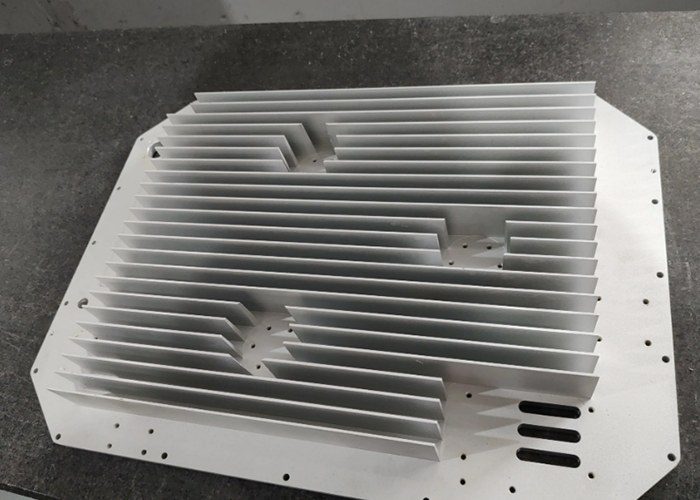
The unique value proposition of CNC machined copper parts manifests across diverse applications. In power distribution, precision-machined busbars and electrical connectors leverage copper’s conductivity while maintaining tight tolerances for reliable mating surfaces. Thermal management systems utilize copper heat sinks and cold plates, where machined features maximize surface area for heat transfer.
The medical industry increasingly specifies machined copper components for antimicrobial surfaces in surgical instruments and imaging equipment. Aerospace applications demand high-reliability connectors and waveguide components, where copper’s signal transmission properties prove irreplaceable.
The Future: Hybrid Manufacturing Approaches
Recent research explores the hybridization of additive manufacturing with CNC machining for copper components. Atomic Diffusion Additive Manufacturing (ADAM) can produce near-net shapes that are subsequently finished on 5-axis CNC systems. Studies demonstrate that this hybrid approach achieves final dimensional deviations below 0.5% while enabling geometries impossible through machining alone.
As industries continue demanding higher performance from smaller, more complex copper components, the marriage of advanced CNC techniques with metallurgical understanding will remain essential. Mastery of copper machining represents not merely a manufacturing capability, but a competitive advantage in an increasingly electrified world.