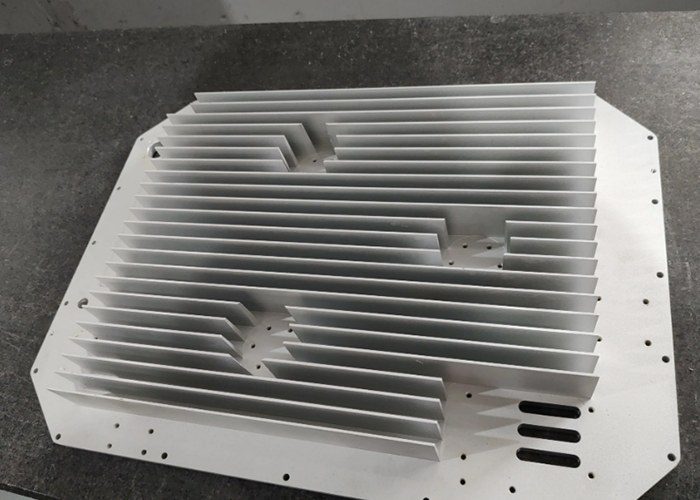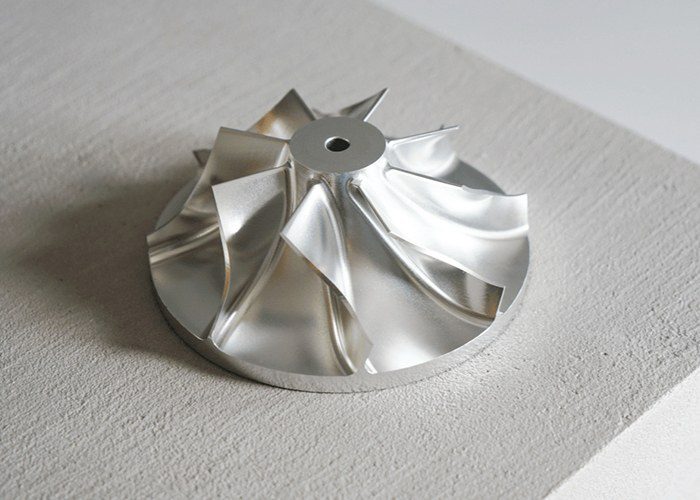
In an age of breakneck technological progress, CNC machining stands firmly as industry’s indispensable backbone. From the turbine blades that power commercial aircraft to the surgical instruments that save lives, CNC machining services transform raw materials into finished components with a level of precision, repeatability, and efficiency that manual manufacturing simply cannot match. As we navigate through 2026, this sector is undergoing a profound transformation—one driven by artificial intelligence, digital integration, and an urgent push toward sustainability.
The Foundation of Precision
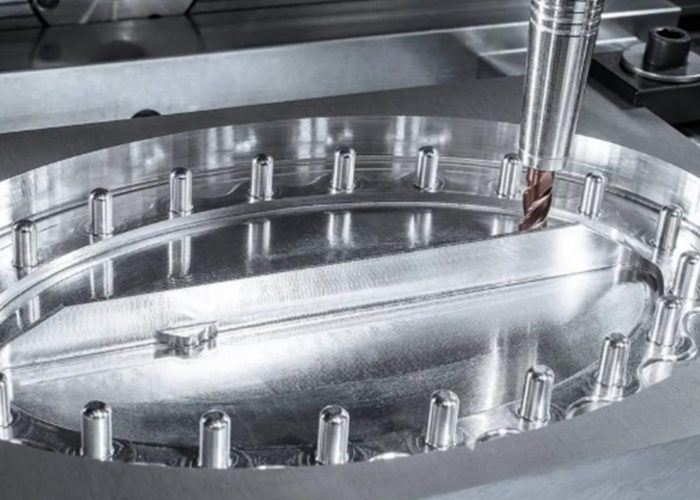
At its core, CNC machining is a subtractive manufacturing process in which pre-programmed computer software dictates the movement of factory tools and machinery. This digital command structure eliminates the margin for human error, enabling machinists to consistently achieve tolerances as tight as ±0.001 inches (0.025 mm). Modern CNC systems leverage linear scales and laser calibration to sustain accuracy within five microns, making them indispensable for industries that demand uncompromising quality.
The global appetite for these services is staggering. The custom machining services market was valued at USD 26.84 billion in 2025 and is projected to reach USD 39.45 billion by 2032, growing at a compound annual growth rate of 5.65 percent. This expansion reflects not merely increased demand, but an evolution in what manufacturers expect from their machining partners: faster lead times, tighter tolerances, and greater material versatility.
Industries Transformed by CNC Precision
CNC parts machining services touch virtually every corner of the modern economy. In aerospace, components such as turbine blades require surface finishes below 0.4 μm Ra and positional accuracy within ±0.0002 inches to withstand extreme temperatures and stresses. These parts are often machined from exotic alloys like titanium and Inconel—materials that present significant challenges due to their hardness and thermal sensitivity.
In automotive manufacturing, CNC machining drives both rapid prototyping and mass production of engine blocks, transmission housings, and suspension components. The industry’s shift toward lightweighting and electrification has pushed the boundaries further, requiring the precise machining of aluminum alloys and high-strength steels to improve fuel efficiency and durability. The global market for automotive parts CNC machining services alone was estimated at USD 8.3 billion in 2025, with projections reaching USD 10.96 billion by 2032.
The medical device sector perhaps demands the most exacting standards of all. Surgical instruments, orthopedic implants, and diagnostic equipment require not only micron-level dimensional control but also biocompatible surface finishes and compliance with rigorous certifications such as ISO 13485. In this field, precision quite literally equates to patient safety.
The 2026 Revolution: AI, Digital Twins, and Sustainability
While CNC machining has long been the foundation of precision manufacturing, the pace of change heading into 2026 is unlike anything seen before. Three transformative trends are reshaping the industry landscape.
First, AI-native machining has moved from academic pilot projects to integral production reality. In 2026, artificial intelligence is no longer experimental—it is embedded in daily machine control and planning. AI-driven systems use real-time sensor feedback to automatically adjust feeds, speeds, and toolpaths in response to vibration, load, or temperature changes. The results are compelling: more consistent surface quality, reduced tool wear, and fewer production halts.
Second, digital twins have matured from buzzwords into living ecosystems that mirror the entire machining process. By 2026, the digital twin integrates design, process engineering, machining, and inspection into a continuously updated model. We now execute virtual commissioning, clash detection, and kinematic validation long before the machining process ever begins. This capability is particularly valuable as lead times shrink and part complexity increases—manufacturers simply cannot afford setup errors.
Third, hybrid manufacturing—where a single platform combines metal deposition (additive) with CNC cutting (subtractive)—is gaining rapid traction. This convergence solves two long-standing challenges: material waste, as additive processes build near-net shapes while machining finishes critical features; and complex geometry, as hybrid approaches enable internal channels and lattice structures impossible to cut conventionally.
Sustainability has also become a core metric rather than a corporate talking point. Machine tools are being redesigned for lower idle power draw, and material recycling—particularly of titanium and nickel alloys—is becoming standard practice. Shops are increasingly adopting minimum quantity lubrication, dry cutting, and coolant recycling systems to reduce environmental impact without compromising performance.
Choosing the Right CNC Machining Partner
For original equipment manufacturers and engineering teams, selecting a CNC machining service provider is a strategic decision with far-reaching implications. Machining time, setup complexity, inspection needs, and material selection collectively determine the overall part cost. Tighter tolerances can add significantly to cost, making it essential to challenge specifications that are not functionally necessary. The most valuable partners offer not just production capacity but design for manufacturability expertise, transparent quoting, and proactive risk management.
Looking Ahead
The factories that will thrive in the coming years are those that treat every machine cycle as a data event—captured, analyzed, and used to improve the next. As global supply chains rebalance and customer expectations continue to rise, CNC parts machining services will remain at the heart of industrial innovation. The sector is not merely keeping pace with change; it is driving it—one precision-machined component at a time.