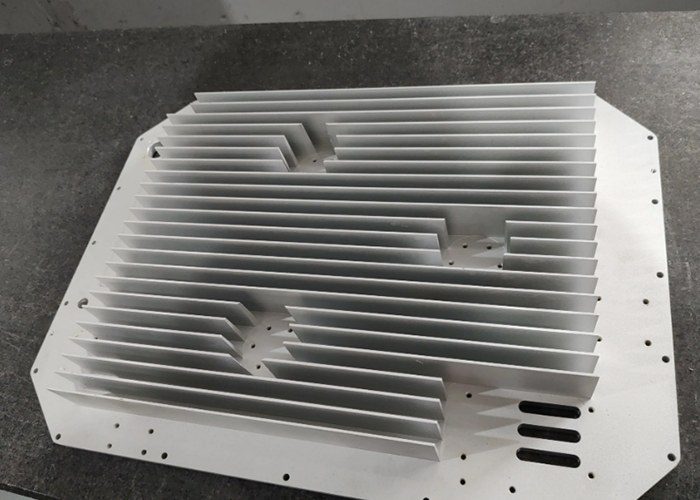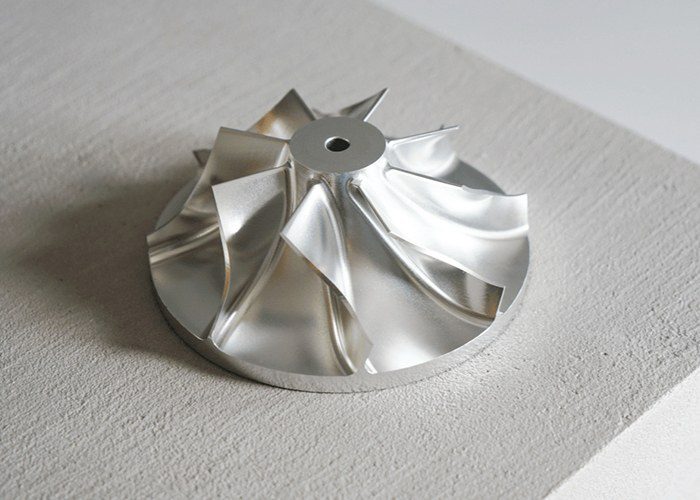
In the high-stakes world of computer numerical control (CNC) milling, the spotlight often falls on cutting-edge machines, advanced toolpaths, and skilled programmers. Yet, beneath the surface of every flawless aerospace component or medical implant lies a vast ecosystem of spare parts—components that are seldom celebrated but absolutely indispensable. CNC milling spare parts are not merely consumables; they are the structural and functional backbone that determines machine longevity, part accuracy, and overall production efficiency. This article delves into the critical role of these parts, their common types, best practices for selection and maintenance, and emerging trends reshaping the aftermarket landscape.
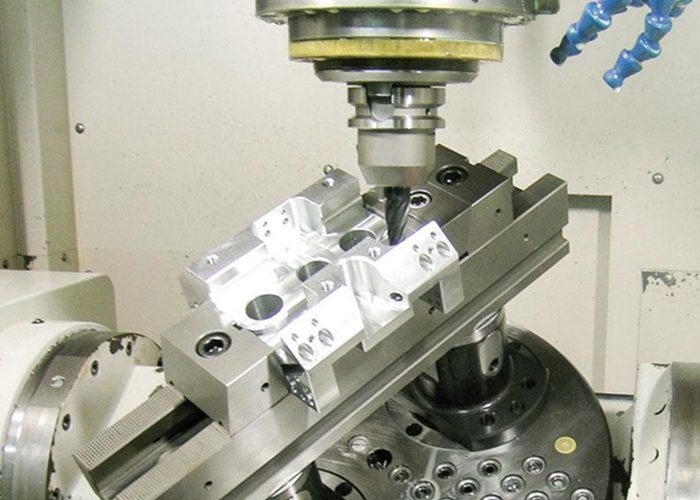
The Anatomy of Reliability: Key Spare Parts
A CNC milling machine is a symphony of mechanical, electrical, and hydraulic systems, and each sub-system relies on specific replaceable elements. Among the most frequently replaced are spindles and spindle cartridges. The spindle, which rotates the cutting tool at speeds up to 40,000 RPM, endures immense radial and axial loads. Bearings within it degrade over time, leading to runout, chatter, and poor surface finish. Replacing a worn spindle assembly can restore original geometric accuracy without the cost of a new machine.
Equally vital are ball screws and linear guideways. These precision-ground screws convert rotary motion into linear movement with minimal friction. Over time, however, fine swarf and coolant mist penetrate the recirculating ball assembly, inducing backlash and compromising positional accuracy. Regular replacement of ball screw nuts or complete screw sets is a common practice in high-volume production environments. Alongside them, way covers and telescopic steel aprons protect these sensitive guideways from abrasive debris—a small investment that prevents catastrophic wear.
Toolholding systems form another crucial category. Collets, pull studs, and hydraulic chucks experience fatigue from repeated tool changes and high clamping forces. A cracked pull stud, if undetected, can lead to tool ejection during a cut—a safety hazard and a scrap-producing event. Likewise, coolant pumps and filters are often overlooked until they fail. Clogged nozzles or deteriorating seals reduce chip evacuation and heat dissipation, directly impacting tool life and part tolerances.
Strategic Sourcing: OEM vs. Aftermarket
For procurement teams weighing spare parts options, the decision between OEM and aftermarket suppliers remains a high-stakes balancing act. Original equipment manufacturer parts guarantee exact fit, material certification, and performance data. For critical components like spindles or electronic driver boards, OEM is often the safer route, especially under warranty. However, reputable third-party suppliers offer high-quality alternatives at 30–50% lower cost, with faster delivery times. The key lies in vetting suppliers rigorously—checking ISO certifications, material traceability, and trial histories. Many aftermarket brands now produce ball screws with superior heat-treatment processes that outlast OEM equivalents in specific applications. The prudent strategy is a hybrid approach: OEM for safety-critical electronics, and qualified aftermarket for mechanical wear parts.
Predictive Maintenance: The Game Changer
The days of reactive “run-to-failure” maintenance are fading. Predictive analytics empower modern CNC operations to orchestrate just-in-time spare-part replacements. Vibration sensors on spindles, thermal cameras on motor drives, and oil-particle counters in lubrication systems generate real-time data. When a spindle bearing’s vibration frequency shifts by 15%, the system flags an impending failure, allowing maintenance teams to order the bearing kit and plan a weekend changeover. This approach reduces unplanned downtime by up to 70% and extends the useful life of mating components. Equally important is maintaining a critical spare parts inventory—a curated list of high-failure items with defined reorder points. For a typical 3-axis milling center, this includes at least one spare spindle cartridge, two sets of ball screw nuts, a dozen pull studs, and a complete coolant pump, ensuring that a five-minute breakdown doesn’t become a five-day crisis.
Quality Indicators and Storage Pitfalls
Not all spare parts are created equal. For mechanical items, surface roughness (Ra ≤ 0.4 µm) and hardness (HRC 58–62 for guide rails) are non-negotiable. Electrical parts require strict ESD protection and documented burn-in test results. A common oversight is improper storage: ball screws left uncoated in humid environments develop pitting; rubber seals crack under UV light; and circuit boards absorb moisture, leading to delamination during soldering. Best practice dictates climate-controlled storage with desiccant packs and rotation based on shelf-life labels.
The Human Factor: Technician Training
Even the most superior spare part loses all value when installation standards are not met. Torque specifications for clamp bolts, preload settings for angular contact bearings, and alignment procedures for linear scales demand specialized skills. Progressive shops invest in annual training for maintenance staff, using augmented reality (AR) guides that overlay torque sequences onto the actual machine. Documentation—including exploded-view drawings, step-by-step videos, and torque-wrench calibration logs—should accompany every spare part package.
Future Trends: Modularity and 3D Printing
The spare parts industry is undergoing a quiet revolution. Machine builders are increasingly designing modular architectures where entire axis assemblies can be swapped in under two hours, minimizing downtime. Meanwhile, additive manufacturing is entering the arena: sintered metal 3D-printed coolant nozzles and custom grippers are already in production, offering on-demand fabrication with complex internal channels impossible to mill. In the next five years, we can expect digital inventories—where spare part CAD files are stored in the cloud and printed locally—to slash lead times from weeks to days.
Conclusion
CNC milling spare parts are far more than replacement items; they are strategic assets that dictate uptime, quality, and profitability. A holistic approach—combining intelligent sourcing, condition-based monitoring, meticulous storage, and skilled installation—transforms these components from cost centers into competitive advantages. As manufacturing marches toward lights-out automation, the reliability of every spindle, screw, and seal will determine who thrives and who merely survives. Investing in spare parts is, ultimately, investing in the future of precision engineering.