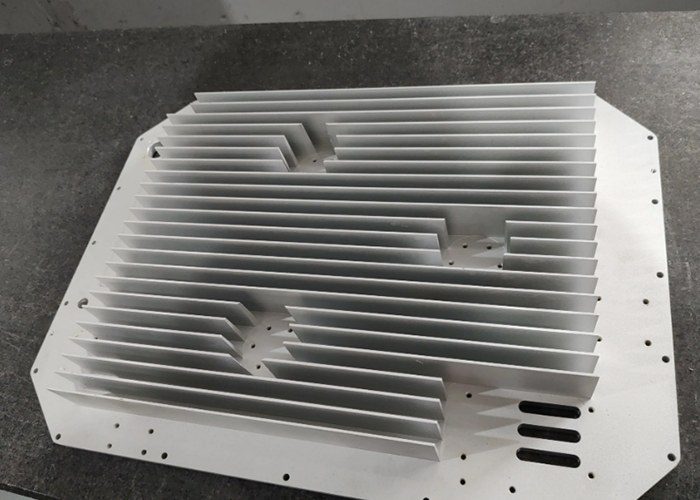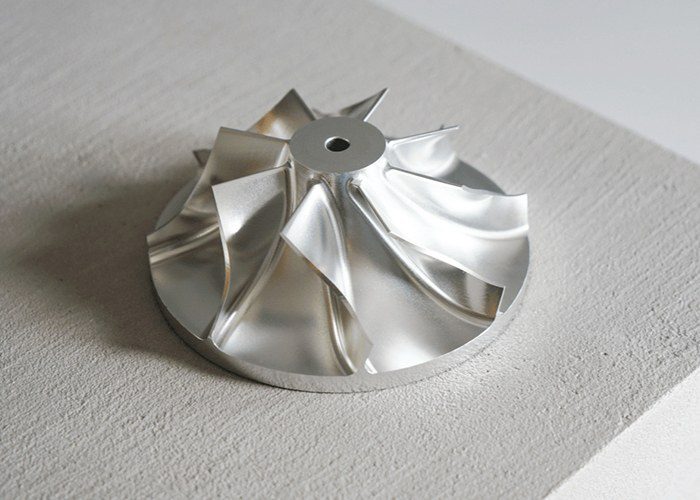
In today’s advanced manufacturing landscape, the demand for high-precision, complex, and reliable components is ubiquitous, spanning industries from aerospace to consumer electronics. At the heart of meeting this demand lies a transformative process: CNC milling. The products born from this technology, collectively known as CNC milling products, are the unsung heroes of modern engineering, enabling innovation and ensuring performance in countless applications.
What is CNC Milling?
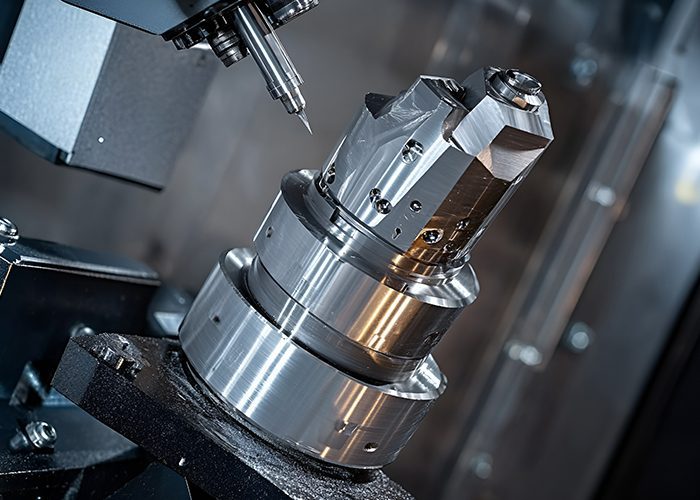
CNC (Computer Numerical Control) milling is a subtractive manufacturing process where pre-programmed computer software dictates the movement of factory tools and machinery. A block of solid material, known as a blank or workpiece, is precisely carved away by rotating multi-point cutting tools to produce a custom-designed part. Unlike manual machining, the CNC process is automated, following digital blueprints (CAD/CAM models) with exceptional accuracy and repeatability. This capability makes it ideal for producing everything from simple flat surfaces to intricate three-dimensional contours.
The Hallmarks of CNC Milled Products
Products manufactured through CNC milling are distinguished by several key characteristics:
- Exceptional Precision and Tolerance: CNC mills can achieve tolerances within microns (±0.01mm or even tighter). This level of accuracy is critical for parts that must fit together perfectly in assemblies, such as engine components, surgical instruments, or optical devices.
- Complex Geometries: The ability to manipulate a workpiece along multiple axes (3-axis, 4-axis, or 5-axis milling) allows for the creation of shapes that would be impossible or prohibitively expensive with manual machining. This includes deep cavities, intricate channels, complex curves, and undercuts.
- Material Versatility: CNC milling is not limited to metals. It can efficiently process a vast array of materials, including various plastics (like ABS, PEEK, Nylon), composites, wood, and foams. This versatility allows engineers to select the optimal material for strength, weight, thermal properties, or cost.
- Superior Surface Finish: With the right tooling, speeds, and feeds, CNC milling can produce parts with excellent surface quality directly off the machine, often reducing or eliminating the need for secondary finishing processes.
- Repeatability and Consistency: Once a CNC program is verified, it can produce the first part and the ten-thousandth part with identical specifications. This consistency is fundamental for mass production and quality control in regulated industries.
Common Types of CNC Milled Products
The range of products is vast, but they often fall into these categories:
- Engineered Components: These are functional parts designed for specific mechanical or structural roles. Examples include housings, brackets, manifolds, gears, prototypes, jigs, and fixtures. An aluminum bracket for a drone frame or a stainless steel manifold for a fluid system are typical CNC milling products.
- Enclosures and Panels: Precise, durable enclosures for electronics, machinery, and instrumentation are frequently CNC milled, especially when they require custom cutouts, vents, or mounting points.
- Molds and Dies: The tooling industry heavily relies on high-speed CNC milling to create intricate molds for injection molding, die-casting, and stamping dies. The precision of the milled mold directly translates to the quality of the final molded products.
- Prototypes and Models: CNC milling is a staple in rapid prototyping, allowing designers to quickly turn digital concepts into high-fidelity, functional prototypes for testing, fit-checking, and demonstration.
Industry Applications
CNC milling products are foundational across the industrial spectrum:
- Aerospace & Defense: Producing lightweight yet robust components—such as landing gear parts, engine mounts, and avionics housings—from titanium and high-strength aluminum alloys.
- Medical: We specialize in the manufacture of surgical tools, implants, and diagnostic components that are sterile, biocompatible, and ultra-precise.
- Automotive: Designing and fabricating prototypes, engine parts, transmission components, and custom aftermarket modifications.
- Electronics: Milling heat sinks, connector housings, semiconductor fixtures, and the complex chassis of servers and communication devices.
- Energy: Fabricating components for turbines, drilling equipment, and renewable energy systems that must withstand extreme environments.
The Future and Value Proposition
The evolution of CNC milling is intertwined with advancements in software, tooling, and machine capabilities. The integration of AI for predictive tool wear, advanced automation with robotic part handling, and the growth of multi-tasking machines are pushing the boundaries further.
The ultimate value of CNC milling products lies in their enabling power. They allow designers to push the limits of form and function, reduce weight while increasing strength, improve system efficiencies, and accelerate the time from design to market. While processes like 3D printing excel in geometric freedom for prototypes, CNC milling remains the go-to solution for end-use parts requiring the highest levels of strength, precision, and surface quality in durable materials.
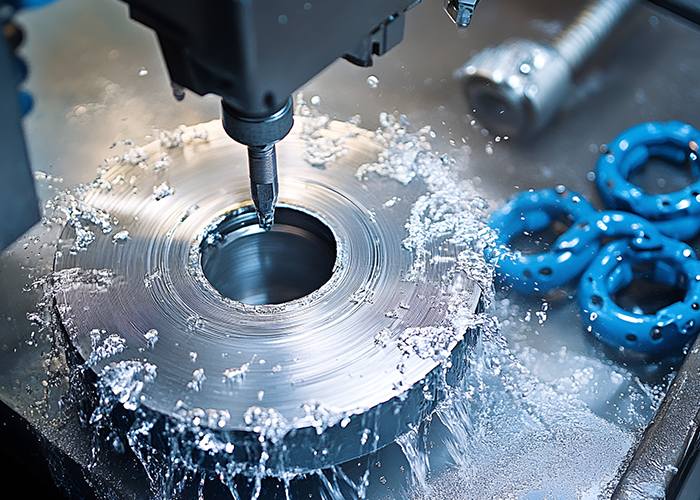
In conclusion, CNC milling products are far more than just machined pieces of metal or plastic. They are the physical embodiment of digital design, material science, and engineering excellence. As the backbone of precision manufacturing, these components will continue to drive technological progress, proving that in a world increasingly defined by digital innovation, the physical precision of a CNC-milled part remains irreplaceably vital.