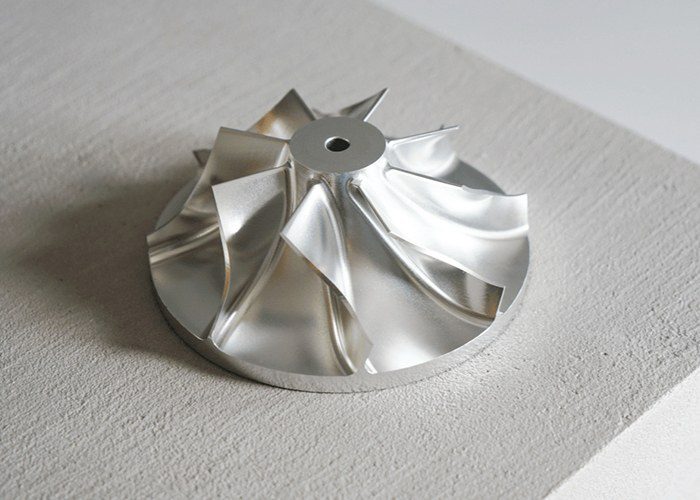
In the intricate ecosystem of modern industry, where precision is paramount and efficiency dictates competitiveness, the CNC (Computer Numerical Control) machining business stands as a critical pillar. More than just a workshop service, it is a sophisticated, technology-driven industry that transforms digital designs into high-accuracy, functional parts for virtually every sector of the global economy. Operating a successful CNC machining business today involves navigating a landscape defined by advanced technology, diverse market demands, and relentless pursuit of quality.
At its core, a CNC machining business utilizes computerized controls to operate and manipulate machine tools such as mills, lathes, routers, and grinders. Unlike manual machining, where every cut and movement is guided by a skilled machinist, CNC processes follow pre-programmed sequences of machine control commands derived from 3D CAD models. This fundamental shift from manual to digital control unlocks unparalleled advantages. Precision and repeatability are the foremost selling points; a CNC machine can produce hundreds or thousands of identical components, each meeting exacting tolerances often within microns, a feat nearly impossible to sustain manually. This makes CNC the go-to solution for industries where a minuscule error can lead to catastrophic failure, such as aerospace, medical devices, and automotive engineering.
Efficiency and scalability form another cornerstone of the business value proposition. Once a program is verified, production can run with minimal supervision, 24/7 if needed. This not only reduces labor costs per unit but also dramatically shortens production times for both prototypes and large batches. The ability to quickly switch between jobs by loading new programs makes CNC shops incredibly flexible, catering to both low-volume, high-mix (e.g., prototyping for startups) and high-volume production runs. Furthermore, CNC machining can handle an extensive range of materials, from standard aluminum and steel to exotic alloys, engineering plastics, and composites, allowing businesses to serve a broad clientele.
The market for CNC machining services is vast and segmented. Key client sectors include:
- Aerospace & Defense: We require ultra-high precision and certification for complex, lightweight parts made from robust materials such as titanium and Inconel.
- Medical: Manufacturing sterile, biocompatible components with immaculate surfaces for surgical instruments, implants, and diagnostic equipment.
- Automotive: From prototype development for new engines to production of transmission components and custom aftermarket parts.
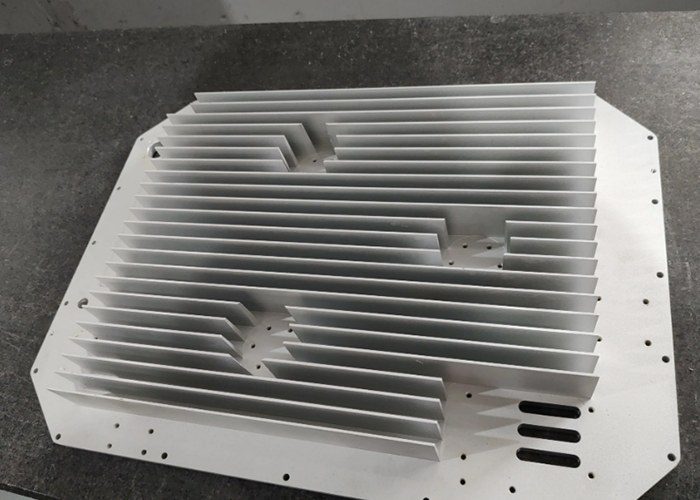
- Electronics: Manufacturing precise heat sinks, enclosures, connectors, and jigs/fixtures for assembly lines.
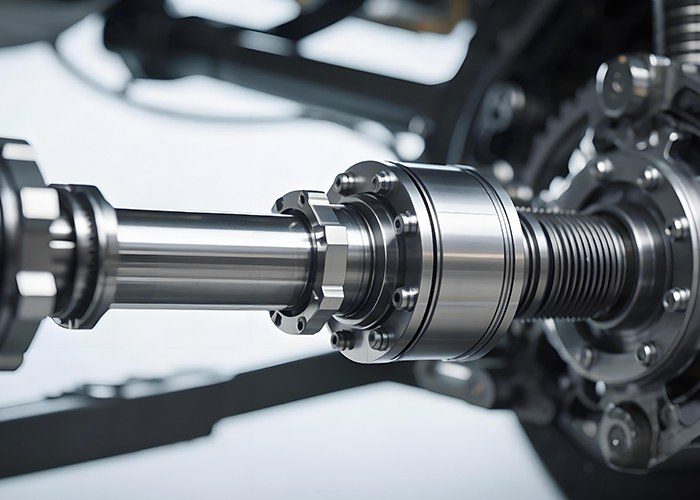
- Industrial Machinery: Creating robust gears, shafts, housings, and other critical components for heavy equipment.
Running a successful business in this field, however, extends beyond owning machines. It requires strategic investment in technology. The industry is continuously evolving with innovations like 5-axis machining (allowing complex geometries in a single setup), high-speed machining, and the integration of IoT (Internet of Things) for predictive maintenance and data-driven optimization. A competitive shop must judiciously upgrade its capabilities to offer more complex services and improve efficiency.
Equally crucial is workflow and operational excellence. This encompasses skilled programmers who can create efficient toolpaths, expert machinists for setup and quality oversight, and rigorous quality control systems using tools like CMMs (Coordinate Measuring Machines). Front-office operations like quoting, which requires accurate estimation of machining time and material costs, and customer relationship management are vital for commercial success. Many shops now differentiate themselves by offering value-added services like design for manufacturability (DFM) feedback, finishing (anodizing, plating, painting), and complete assembly.
The business model can vary. Some shops operate as job shops, taking on diverse projects from various clients. Others function as dedicated contract manufacturers, forming long-term partnerships with larger companies to become an extension of their production line. A growing niche is in rapid prototyping and low-volume production, serving product developers and tech companies needing fast turnarounds before mass production.
Challenges are inherent. The initial capital investment for high-end CNC equipment is substantial. There is a persistent skills gap, requiring ongoing investment in training to find programmers and technicians who blend traditional machining knowledge with digital savvy. Global competition is fierce, with pressure on pricing and lead times. Moreover, businesses must adapt to trends like additive manufacturing (3D printing), which is competitive for certain geometries, often by adopting it as a complementary service.
Looking ahead, the future of the CNC machining business is intertwined with Industry 4.0. The integration of automation (robotic part loading/unloading), AI for process optimization, and digital twin technology will drive the next leap in productivity and quality control. Sustainability is also becoming a consideration, focusing on reducing material waste through better programming and recycling coolants and metals.
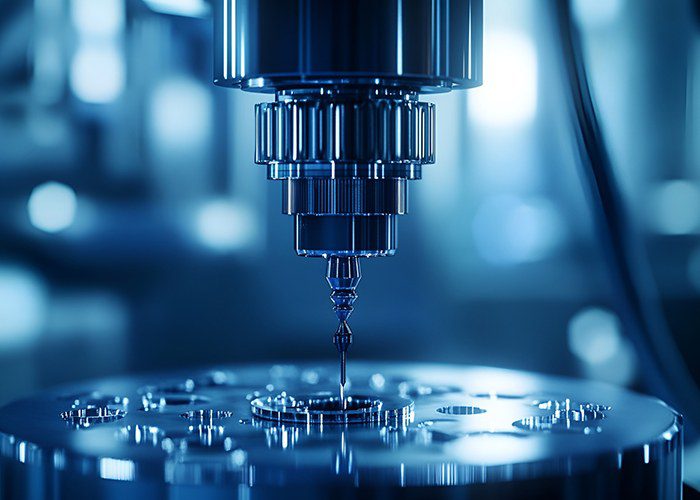
In conclusion, the CNC machining business is far from a mere metal-cutting service; it is a dynamic, technology-intensive industry essential for innovation and production. Success hinges on a balanced fusion of cutting-edge equipment, deep technical expertise, astute business management, and a relentless focus on customer satisfaction. As the world continues to demand more complex, reliable, and precisely engineered products, the strategic role of the CNC machining business as the backbone of precision manufacturing will only become more pronounced and vital.