In today’s fast-paced industrial landscape, the demand for high-precision components has never been greater. Whether in aerospace, automotive, medical devices, or consumer electronics, the quality and accuracy of a single component can determine the fate of the whole system. At the heart of this precision-driven world lies CNC milling – a subtractive manufacturing process that produces complex, high-tolerance parts with unmatched repeatability. This article explores the world of CNC milling parts, their advantages, common materials, applications, and the future trends shaping this essential technology.
What Are CNC Milling Parts?
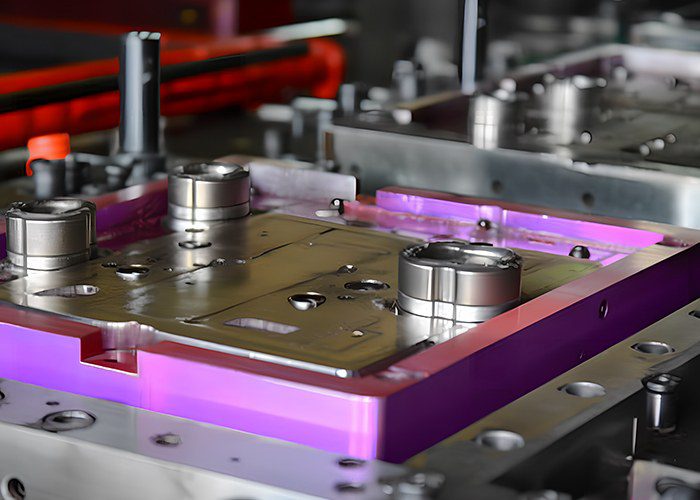
CNC milling parts are components manufactured using Computer Numerical Control (CNC) milling machines. Unlike manual milling, where an operator controls the movement of the cutting tool, CNC milling relies on pre-programmed software and code (G-code) to dictate every motion of the machine. The process involves rotating multi-point cutting tools that remove material from a solid workpiece to create the desired shape.
Parts produced by CNC milling can range from simple flat brackets to highly intricate three-dimensional contours, including slots, holes, threads, chamfers, and complex freeform surfaces. The technology is capable of holding extremely tight tolerances – often within ±0.005 mm (±0.0002 inches) – making it indispensable for industries where precision is non-negotiable.
Key Advantages of CNC Milling for Part Production
- Unmatched Precision and Accuracy
CNC milling machines operate with exceptional consistency. Once a program is verified, every part produced will be identical to the first. This repeatability eliminates human error and ensures that complex geometries meet strict engineering specifications. - Complex Geometries Made Simple
Three-axis, four-axis, and five-axis CNC milling machines can produce parts with undercuts, curved surfaces, deep cavities, and angled features that would be impossible or prohibitively expensive to create with conventional machining or manual methods. Five-axis milling, in particular, allows the cutting tool to approach the workpiece from any direction in a single setup, reducing errors and cycle times. - Wide Material Compatibility
CNC milling works with an extensive range of materials – from soft plastics and aluminum to hardened steel, titanium, Inconel, and even composites. This versatility allows engineers to select the optimal material for strength, weight, corrosion resistance, or cost without being constrained by the manufacturing process. - Scalability from Prototypes to Production
The same CNC program used to machine a single prototype can be reused to produce hundreds or thousands of parts. This makes CNC milling ideal for low-volume custom components as well as high-volume production runs, with minimal per-unit cost increase after setup. - Efficiency and Automation
Modern CNC milling machines operate with minimal supervision. Many are equipped with automatic tool changers (ATC), coolant systems, and part probes, enabling lights-out manufacturing – running unattended during off-hours. This maximizes machine utilization and reduces labor costs.
Common Materials for CNC Milling Parts
The choice of material directly affects the part’s performance, machinability, and cost. Some of the most frequently used materials include:
- Aluminum (6061, 7075) : Lightweight, corrosion-resistant, and easy to machine. Ideal for aerospace, automotive, and electronic housings.
- Stainless Steel (303, 304, 316) : High strength and corrosion resistance. Used in medical instruments, food processing equipment, and marine components.
- Brass and Copper : Offers outstanding conductivity for both electricity and heat. Common in electrical terminals, plumbing fittings, and decorative parts.
- Titanium (Grade 2, Grade 5) : Exceptional strength-to-weight ratio and biocompatibility. Essential for aerospace structural parts and surgical implants.
- Engineering Plastics (PEEK, PTFE, Acetal, Nylon) : Lightweight, chemically resistant, and self-lubricating. Used in bearings, insulators, and medical devices.
Applications Across Industries
CNC-milled parts are everywhere — right under our noses, yet easy to overlook. Here are some notable applications:
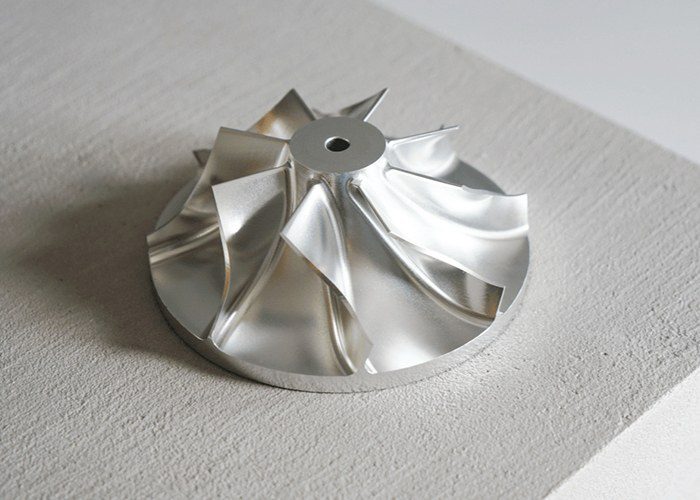
- Aerospace : Turbine blades, wing ribs, landing gear components, and engine mounts. These parts demand lightweight materials and extreme fatigue resistance.
- Automotive : Engine blocks, transmission housings, suspension components, and custom performance parts. CNC milling enables rapid prototyping and low-volume production for racing and specialty vehicles.
- Medical : Surgical guides, orthopedic implants, dental prosthetics, and instrument handles. Biocompatible materials and sterile geometries are critical.
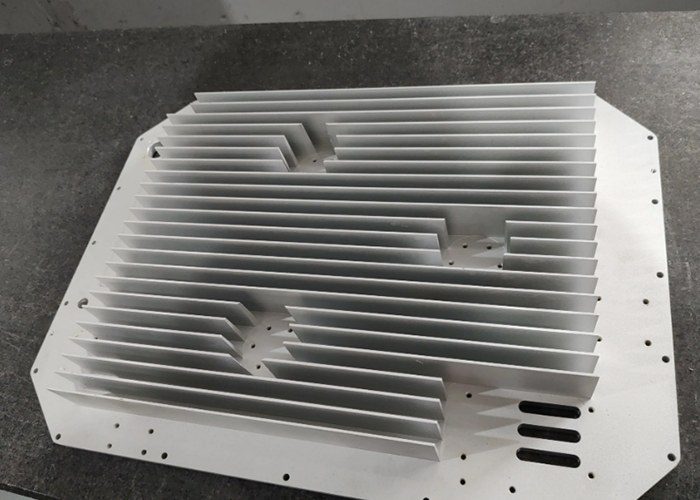
- Electronics : Heat sinks, enclosures for smartphones and laptops, connectors, and EMI shielding. Precision and miniaturization are key.
- Industrial Machinery : Gears, valves, pump bodies, and custom tooling. CNC milling produces durable parts that withstand heavy loads and harsh environments.
Design Considerations for CNC Milling Parts
To achieve cost-effective and manufacturable CNC milling parts, designers should follow best practices:
- Avoid excessively deep cavities – deep features require long end mills that can chatter or break.
- Use standard tool sizes – holes and radii should match common end mill diameters (e.g., 3 mm, 6 mm, 12 mm) to avoid custom tooling costs.
- Add fillets to internal vertical corners – sharp inside corners require small-diameter tools or EDM, increasing time and cost.
- Minimize thin walls – walls thinner than 0.8 mm (0.03 inches) in metal are prone to vibration and deformation.
- Specify tolerances only where necessary – tighter tolerances increase inspection time and scrap rates.
The Future of CNC Milling Parts
As manufacturing embraces Industry 4.0, CNC milling is evolving rapidly. Key trends include:
- Hybrid manufacturing : Combining additive (3D printing) with subtractive (CNC milling) to produce near-net-shape parts that are then finished with high precision.
- In-process monitoring : Real-time sensors and adaptive control that adjust feeds and speeds to prevent tool breakage and compensate for thermal expansion.
- AI-optimized toolpaths : Machine learning algorithms that generate efficient toolpaths, reducing cycle times by 20–30% without compromising quality.
- Sustainable machining : Minimum quantity lubrication (MQL) and cryogenic cooling reduce fluid waste and energy consumption.
Conclusion
CNC milling parts are the unsung heroes of modern engineering. Whether it’s a life-saving orthopedic implant, a critical turbine blade, or the sleek casing of your smartphone, these components enable products that are lighter, stronger, and more reliable than ever before. By understanding the capabilities, materials, and design principles of CNC milling, engineers and manufacturers can unlock new levels of precision and efficiency. As technology continues to advance, the role of CNC milling in producing complex, high-quality parts will only grow – cementing its place as a cornerstone of global manufacturing.