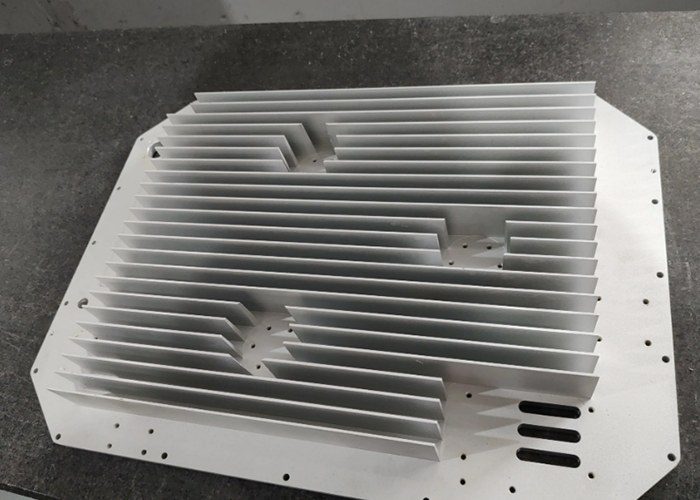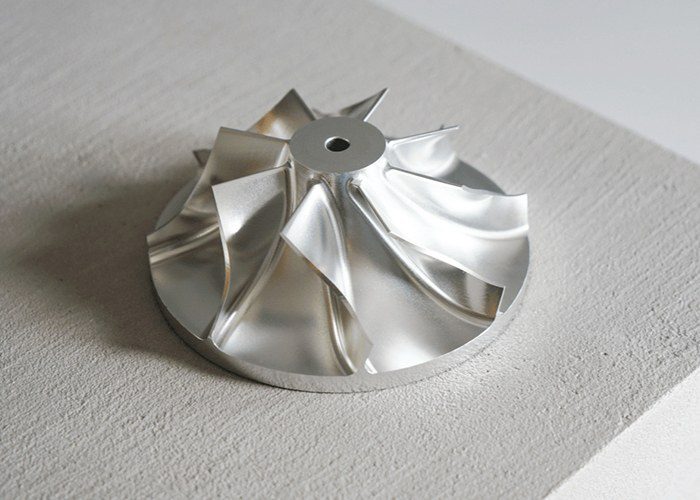
In the heart of modern manufacturing, where raw materials are transformed into the complex components that power our world, one process stands as a cornerstone of precision and versatility: CNC milling of metal. More than just a method of cutting, CNC (Computer Numerical Control) milling represents the seamless fusion of digital design, advanced engineering, and robotic precision, enabling the creation of parts with tolerances measured in microns and geometries limited only by imagination.
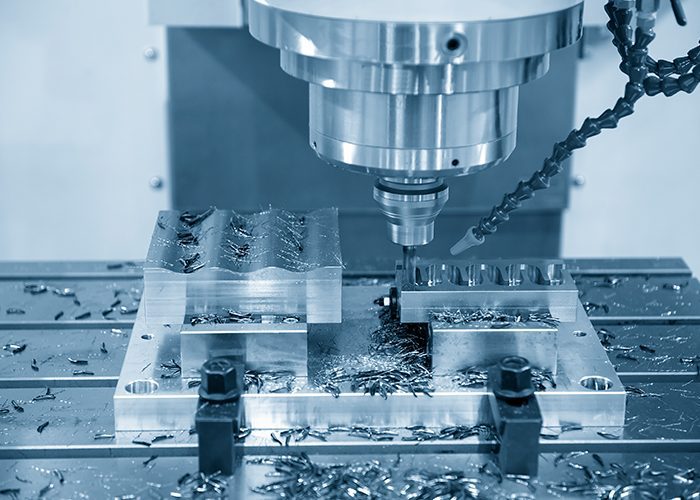
Fundamentally, CNC milling is a subtractive manufacturing process. It begins not on the shop floor, but in the digital realm. Using CAD software, engineers and designers craft detailed 3D models from concept to virtual reality.CAD software allows engineers and designers to transform concepts into detailed 3D models of the intended part. This virtual blueprint is then translated, via Computer-Aided Manufacturing (CAM) software, into a set of precise numerical instructions—a G-code program. This code dictates every movement of the milling machine, from the path of the cutting tool to its speed, depth, and feed rate. This digital-to-physical translation is what grants CNC milling its unparalleled accuracy and repeatability.
The machine itself, a CNC milling center, is the physical executor of this code. It typically consists of a rigid bed, a movable table that secures the metal workpiece, and a spindle that holds and rotates the cutting tool. The critical innovation lies in the multi-axis movement. While basic machines operate on three linear axes (X, Y, and Z), advanced centers incorporate rotary axes (A, B, and C), allowing the tool or workpiece to tilt and rotate. This 5-axis capability enables the machining of extraordinarily complex shapes—from sculptural impeller blades to intricate aerospace brackets—in a single setup, reducing error and saving significant time.
The choice of metal is fundamental to the process. CNC milling expertly handles a vast spectrum, each with unique challenges and requirements. Aluminum, favored for its excellent machinability, strength-to-weight ratio, and corrosion resistance, is ubiquitous in aerospace and automotive applications. Stainless steel, with its durability and aesthetic finish, is crucial for medical instruments and food processing equipment. Tough alloys like titanium demand slower speeds and specialized tooling but are indispensable for high-performance engineering. Softer metals like brass and copper are milled for electrical components and decorative details. The process parameters—cutting speed, tool material, use of coolant—are meticulously tailored to each metal’s properties to ensure optimal finish, tool life, and dimensional accuracy.
The advantages of CNC metal milling are transformative. Precision and Consistency: Once a program is verified, it can produce ten or ten thousand identical parts, a feat nearly impossible with manual machining. Complexity: It can create internal features, intricate contours, and precise threads that are essential for modern engineering. Efficiency: Modern CNC mills, especially those with automated tool changers and pallet systems, can run untended for hours, dramatically boosting productivity. Flexibility: Changing a part design often requires only a software update, making small-batch and prototype manufacturing economically viable.
These capabilities make CNC-milled metal components the lifeblood of critical industries. In aerospace, they produce lightweight, high-strength structural frames and engine parts. The automotive sector relies on them for prototyping, custom performance parts, and precision engine components. Medical technology utilizes biocompatible, sterile milled parts for implants and surgical tools. The field of mold and die making depends entirely on CNC milling to create the complex cavities used in injection molding. Even the sleek enclosures of consumer electronics often start as a block of aluminum, precisely sculpted by a milling cutter.
Looking forward, the evolution of CNC metal milling is driven by integration and intelligence. The rise of Automation and Lights-Out Manufacturing sees mills integrated with robotic arms for loading and unloading, operating continuously without human intervention. Advanced Software, including simulation programs that predict tool deflection and chip formation, minimizes trial and error. Hybrid Manufacturing combines additive processes (3D printing) with subtractive milling in a single machine, allowing for the creation of complex, near-net-shape parts that are then finished to high precision. Furthermore, the integration of IoT sensors and AI enables predictive maintenance, real-time process optimization, and adaptive control that adjusts parameters on-the-fly for optimal performance.
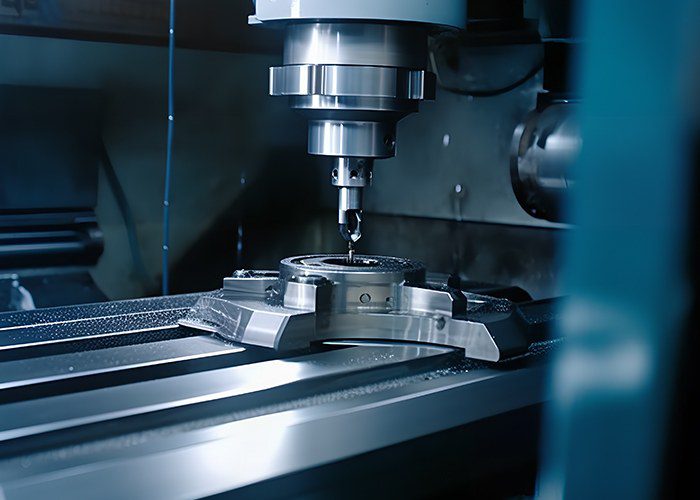
In conclusion, CNC milling of metal is far more than a technical process; it is a fundamental enabler of contemporary innovation. It bridges the gap between digital design and physical reality with breathtaking fidelity. From the satellites orbiting our planet to the device in your hand, the precision-made metal components within them are a testament to the power of this technology. As it continues to evolve with smarter, more connected systems, CNC milling will remain at the forefront of manufacturing, shaping the metal backbone of our future, one precise cut at a time.