
In the vast landscape of modern manufacturing, Computer Numerical Control (CNC) machining stands as a pillar of precision, repeatability, and efficiency. Aluminum is particularly prominent among the materials processed by this advanced technology. CNC machining aluminum parts is a sophisticated interplay of material science, engineering prowess, and digital control, enabling the creation of components that are integral to industries ranging from aerospace to consumer electronics. This process transforms raw aluminum stock into intricate, high-tolerance parts, driving innovation and performance across the global industrial spectrum.
The dominance of aluminum in CNC workshops is no accident; it is a direct result of the metal’s unparalleled combination of properties. Aluminum alloys offer an excellent strength-to-weight ratio, making them ideal for applications where reducing mass is critical without sacrificing structural integrity—such as in aircraft fuselages, automotive frames, and portable devices. Furthermore, aluminum exhibits superb machinability. Compared to harder metals like steel or titanium, aluminum allows for higher cutting speeds and feed rates, leading to shorter cycle times, reduced tool wear, and lower production costs. Its natural corrosion resistance, enhanced through various alloying and anodizing processes, ensures durability in diverse environments. Additionally, aluminum’s high thermal and electrical conductivity expands its utility into heat sinks, electronic enclosures, and electrical components.
Not all aluminum is created equal for machining purposes. The selection of a specific alloy is a crucial first step in the design process. 6061 aluminum is arguably the most common, known as the “workhorse” alloy. It offers a great balance of strength, weldability, corrosion resistance, and machinability, making it suitable for a vast array of general-purpose parts, from brackets and prototypes to automotive components. For applications demanding higher strength, 7075 aluminum is the premier choice. Often compared to steel in terms of strength, this zinc-alloyed metal is fundamental in aerospace and high-stress structural parts, though it can be slightly less corrosion-resistant and more challenging to machine than 6061. Other alloys like 2024 (high strength, excellent fatigue resistance for aerospace) and 5052 (superior corrosion resistance for marine applications) are also frequently specified based on the part’s end-use requirements.
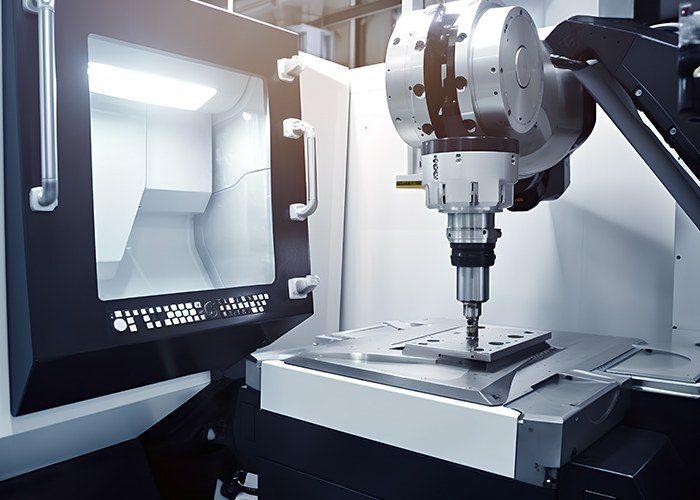
The CNC machining process for aluminum is a meticulously controlled sequence. It begins with a digital 3D model (CAD), which is translated into machine instructions (G-code) through CAM software. A solid block or billet of aluminum is then securely clamped into the CNC mill or lathe. Utilizing high-speed spindles and specialized cutting tools—often carbide end mills with geometries optimized for aluminum—the machine precisely removes material through operations like milling, drilling, turning, and tapping. Throughout this process, effective chip evacuation and temperature management are vital. While aluminum’s machinability is high, it can gum up tools if chips are not cleared efficiently. The use of coolant or compressed air serves dual purposes: it cools the tool and workpiece and flushes away chips, ensuring a smooth surface finish and maintaining dimensional accuracy.
One of the greatest strengths of CNC machining aluminum is its capability to achieve extremely tight tolerances, often within +/- 0.001 inches or finer. This precision is essential for parts that must fit together seamlessly in complex assemblies. Beyond dimensional accuracy, CNC machines can produce a wide variety of surface finishes, from the raw milled finish to near-mirror polish. Post-processing treatments further enhance the functionality and aesthetics of aluminum parts. Anodizing is particularly popular, creating a hard, protective oxide layer that improves corrosion and wear resistance while allowing for dyeing in various colors. Additional finish options include powder coating for durable color, chemical conversion coating for paint adhesion, and polishing or media blasting for specific visual effects.
The applications for CNC machined aluminum parts are virtually limitless. In aerospace and aviation, every gram counts, and the reliability of machined aluminum brackets, engine components, and landing gear parts is non-negotiable. The automotive industry, especially in high-performance and electric vehicles, relies on aluminum for lightweighting to improve speed and battery range, using machined parts in suspension systems, battery housings, and drive units. In electronics, aluminum’s EMI shielding properties and thermal conductivity make it perfect for sleek, durable device enclosures, heat sinks, and server racks. The medical industry utilizes precision-machined aluminum for surgical instruments, diagnostic device housings, and mobility aids, benefiting from its sterility and cleanability. Even in consumer goods, from camera bodies to sports equipment, CNC machined aluminum signifies quality, precision, and durability.
In conclusion, CNC machining aluminum parts represents a cornerstone of contemporary engineering and manufacturing. It successfully marries the favorable intrinsic properties of aluminum alloys—lightweight, strong, and machinable—with the pinpoint accuracy and flexibility of computer-controlled machining. From prototyping a single innovative idea to the mass production of critical components, this process enables designers and engineers to push the boundaries of what is possible. As technology advances, with improvements in machine dynamics, cutting tools, and software simulation, the efficiency, precision, and capabilities of CNC machining aluminum will only continue to evolve, solidifying its essential role in building the lightweight, high-performance, and technologically advanced world of tomorrow.


