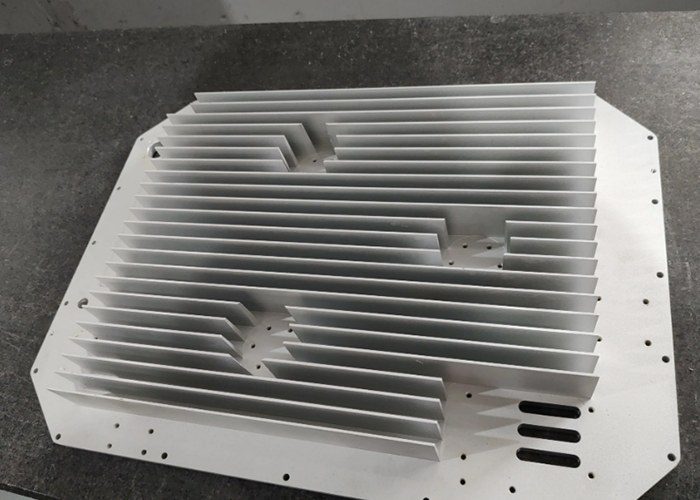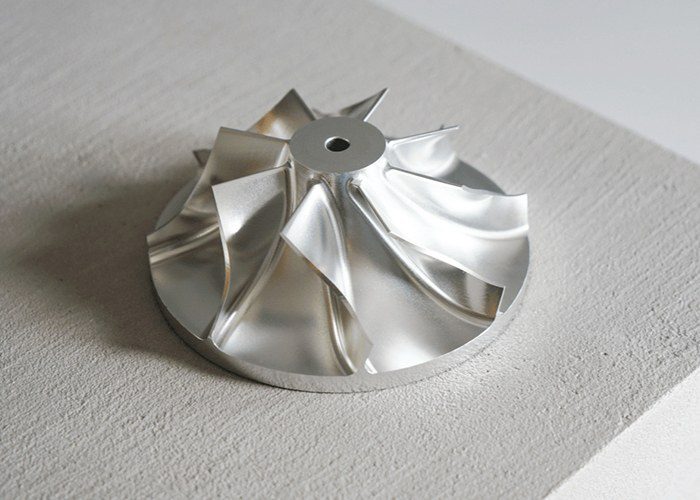
In the ever-evolving landscape of modern manufacturing, few processes have proven as versatile and indispensable as CNC milling. At the heart of this technology lies the CNC milling manufacturer—a specialized entity that designs, produces, and refines the machines responsible for shaping raw materials into high-tolerance components. From aerospace brackets to medical implants, the work of these manufacturers underpins countless industries. This article explores what makes a CNC milling manufacturer exceptional, the technologies they employ, and the criteria engineers should consider when selecting a partner for precision machining.
Understanding CNC Milling: A Brief Overview
CNC (Computer Numerical Control) milling is a subtractive manufacturing process that uses rotating multi-point cutting tools to remove material from a workpiece. Unlike manual milling, CNC automation ensures unparalleled repeatability, accuracy, and complexity. A CNC milling machine interprets 3D CAD models and translates them into G-code instructions, guiding the spindle and axes with micron-level precision. The manufacturer behind these machines must integrate mechanical engineering, electronics, and software development to produce equipment that balances rigidity, speed, and thermal stability.
Core Capabilities of a Top-Tier CNC Milling Manufacturer
- Machine Design and Structural Integrity
High-quality CNC mills start with robust cast iron or polymer composite frames that dampen vibration. Leading manufacturers invest in finite element analysis (FEA) to optimize bed geometry, reducing deflection under heavy cuts. Linear guideways, ball screws, and direct-drive spindles are meticulously selected to achieve positioning tolerances within ±2 microns. For example, German and Japanese manufacturers often set benchmarks for harmonic drive systems and ceramic hybrid bearings, while emerging players focus on cost-effective modular designs. - Control Systems and Software Integration
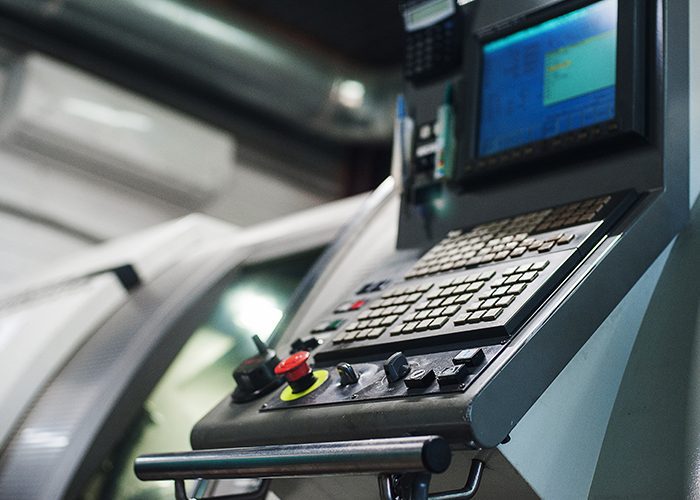
The “brain” of any CNC mill is its controller. Renowned manufacturers develop or partner with control giants like Fanuc, Siemens, Heidenhain, or Mitsubishi. These systems offer look-ahead algorithms, adaptive feedrate control, and collision avoidance. Additionally, modern CNC milling manufacturers are embracing Industry 4.0, equipping machines with IoT sensors for predictive maintenance, real-time tool wear monitoring, and cloud-based job scheduling. Open-architecture controllers that accept third-party CAM integrations have become a differentiator. - Spindle Technology and Tooling Compatibility
A spindle’s power, torque curve, and maximum RPM define a machine’s material versatility. Manufacturers serving the automotive or die/mold sectors often provide 12,000–20,000 RPM spindles with high torque at low speeds. For micro-machining or high-speed milling of aluminum and composites, spindles exceeding 40,000 RPM with HSK or Capto tool interfaces are essential. Leading manufacturers also offer automatic tool changers (ATC) with 40–300+ tool capacities, chip-to-chip times under 2 seconds, and through-spindle coolant for deep-hole drilling. - Multi-Axis Capabilities
While 3-axis milling remains foundational, advanced manufacturers produce 4-axis, 5-axis, and even 6-axis machining centers. Simultaneous 5-axis milling reduces setups, improves complex contour accuracy, and allows undercut features. A reputable CNC milling manufacturer will provide post-processors for common CAM packages (Mastercam, HyperMill, NX) and offer training on kinematic calibration. Some have also integrated rotary tables and trunnions as standard options.
Quality Assurance and Metrology Integration
Precision machining is meaningless without verification. Elite CNC milling manufacturers incorporate in-process probing using Renishaw or Marposs touch probes, enabling automated tool setting and part inspection. Some machines now feature laser interferometers for volumetric compensation, correcting geometric errors from thermal growth. Furthermore, manufacturers that operate their own metrology labs—equipped with CMMs (coordinate measuring machines), surface roughness testers, and white-light scanners—demonstrate commitment to traceable quality standards like ISO 9001:2015 or AS9100D for aerospace.
Customization vs. Standard Products
Not all CNC milling manufacturers follow the same business model. Large-scale producers like Haas, DMG Mori, and Mazak offer standardized catalogs with configurable options (enclosure size, coolant type, chip conveyor). In contrast, niche manufacturers build bespoke solutions: gantry mills for wind turbine frames, traveling-column mills for railway components, or benchtop mills for dental labs. When evaluating a manufacturer, buyers must assess lead times, spare parts availability, and whether the company provides on-site installation, operator training, and remote diagnostics.
Material Considerations and Application Expertise
A CNC milling manufacturer’s true value emerges from understanding the materials its customers machine. Hardened steels (HRC 50-65) require rigid box-way construction and high-torque spindles. Titanium and Inconel demand through-tool coolant and low spindle speeds with high chip loads. Plastics and graphite need dust extraction and anti-static coatings. Manufacturers that publish detailed cutting data and supply recommended tooling matrices often outperform generic suppliers. Some even maintain application engineering teams that simulate milling strategies using vericut or similar software before machine delivery.
The Economic and Logistical Factor
Price remains a decisive factor, but total cost of ownership (TCO) matters more. A cheap CNC mill may incur frequent breakdowns, poor technical support, and expensive proprietary parts. Reputable manufacturers provide transparent TCO estimates covering energy consumption, consumable life (way covers, filters, belts), and mean time between failures (MTBF). Domestic or regional manufacturers can offer shorter shipping times, faster service response, and compliance with local safety standards (CE, UL, CSA). Conversely, importing from low-cost regions might require a local integration partner for electrical conversion and warranty handling.
Trends Shaping the Future of CNC Milling Manufacturers
- Hybrid Manufacturing: Some manufacturers now add laser metal deposition or ultrasonic additive heads to CNC mills, enabling repair of high-value parts.
- Automation Integration: Ready-to-connect robotic loaders and pallet changers are becoming standard, allowing lights-out machining.
- Digital Twins: Manufacturers are offering virtual machine twins to simulate cutting forces, thermal distortion, and collision detection before physical machining.
- Sustainable Machining: Minimum quantity lubrication (MQL), energy-efficient servos, and recycled coolant systems reduce environmental impact.
Conclusion: Selecting Your CNC Milling Manufacturer
Choosing the right CNC milling manufacturer is a strategic decision that influences production agility, part quality, and long-term profitability. Engineers and shop owners should request test cuts on their own materials, inspect the manufacturer’s quality certifications, and speak with existing users about service responsiveness. Whether you need a high-volume VMC for automotive parts or a 5-axis precision mill for medical prototypes, prioritize manufacturers that demonstrate engineering depth, transparent support, and continuous innovation. After all, in the world of subtractive manufacturing, the machine is only as good as the company that builds—and stands behind—it.