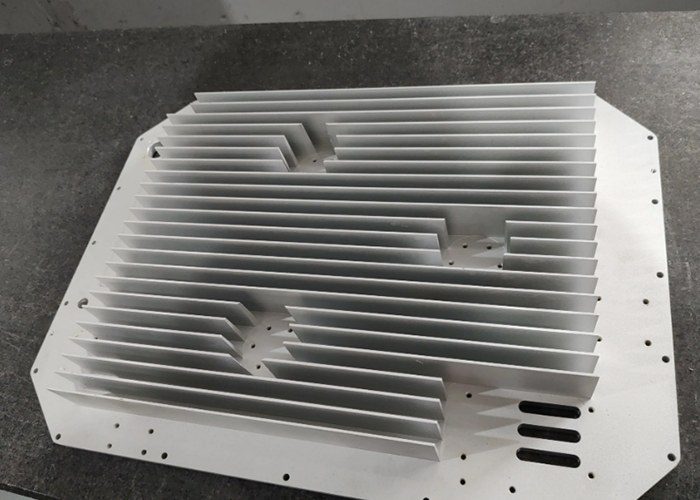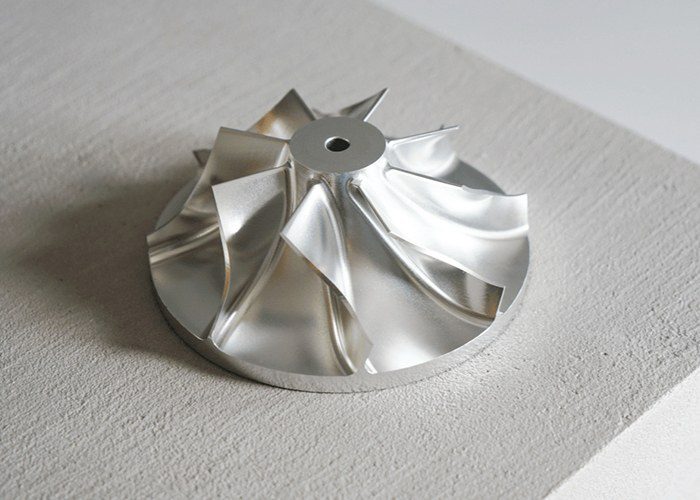
Computer Numerical Control (CNC) milling has revolutionized the manufacturing of iron components, transforming what was once a labor-intensive craft into a highly automated, precision-driven process. Today, CNC milling of iron parts stands at the intersection of traditional metallurgical strengths and modern production demands, delivering components that combine the inherent durability of iron with the dimensional accuracy that advanced machinery provides.
Understanding Iron as a Workpiece Material
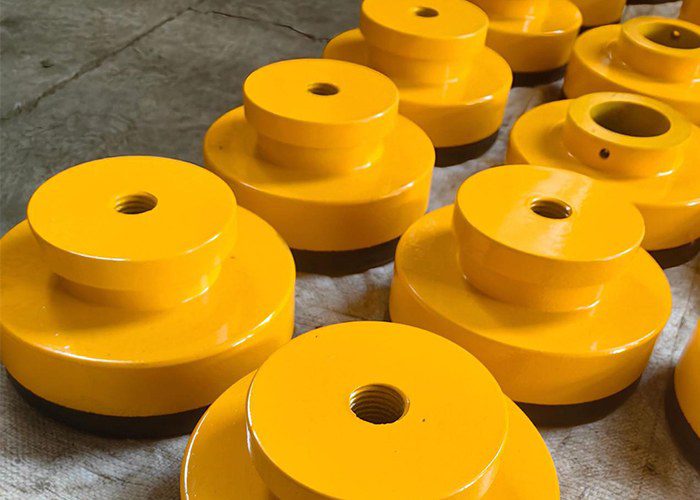
Iron, particularly in its cast forms, remains indispensable across heavy industries due to its mechanical properties, thermal stability, and cost-effectiveness for high-volume applications. The material comes in several distinct varieties, each presenting unique machining characteristics. Grey cast iron, characterized by its graphite flakes, offers exceptional vibration damping and thermal conductivity, making it ideal for machine bases and housing components. Nodular or ductile cast iron, strengthened by the addition of magnesium, provides high strength, flexibility, and elasticity—properties that make it invaluable where tensile strength and resilience are required. Malleable cast iron, known for its toughness and ductility, rounds out the family of iron materials commonly processed through CNC milling. Understanding these material distinctions is crucial for machinists aiming to unlock the full potential of each iron type.
The CNC Milling Process for Iron Parts
CNC milling of iron involves the precise removal of material using rotating cutting tools guided by computer-controlled movements along multiple axes. Modern CNC milling machines, supporting 3, 4, or even 5-axis configurations, enable the production of intricate geometries with tight tolerances. The process begins with a solid iron workpiece—often a casting—which is securely fixtured onto the machine table. As the cutting tools rotate at high speeds, they traverse programmed paths, systematically removing material to achieve the desired shape, dimensions, and surface finish.
The selection of cutting parameters—spindle speed, feed rate, and depth of cut—directly influences machining efficiency, surface quality, and tool life. Research on gray cast iron has shown that power and cutting forces increase with higher feed rates, depth of cut, and cutting speeds, with feed rate emerging as the dominant factor affecting surface roughness. For ductile cast iron, optimizing these parameters is equally critical to ensure efficient machining while maintaining relatively long tool life.
Tooling Considerations
Machining iron presents unique challenges that demand careful tool selection. Cast iron is hard, brittle, and abrasive, requiring cutting tools capable of withstanding these demanding conditions. Carbide cutting tools, including coated carbide end mills and indexable inserts, have become the industry standard for iron machining. Advanced coatings such as titanium aluminum nitride (TiAlN) and titanium silicon nitride (TiSiN) provide enhanced wear resistance and thermal protection.
Recent innovations in tooling have addressed the tool wear, burr formation, and breakout challenges typical in cast iron applications. Face milling cutters with double-sided indexable inserts offering eight cutting edges, manufactured from premium substrates with specialized coatings, enable higher feed rates while improving surface quality and reducing burr formation. These developments have allowed many shops to overcome the historical limitation of settling for low feed rates when machining cast iron.
Applications Across Industries
The versatility of CNC-milled iron parts is evident in their widespread application across diverse sectors. In the automotive industry, iron components such as engine blocks, brake calipers, crankshafts, gears, and pump housings are routinely produced through CNC milling. The material’s wear resistance and vibration-damping properties make it particularly suitable for these demanding applications. Beyond automotive, CNC-milled iron parts serve the aerospace, medical, agricultural, marine, and military industries. Common components include machine bases, pulleys, bushings, valve parts, and hydraulic components. The ability to achieve positional accuracy within ±5 microns and repeatability of ±2 microns ensures that every part meets stringent dimensional requirements.
Advantages of CNC Milling for Iron
The combination of iron as a material and CNC milling as a process offers several compelling advantages. Iron is generally more affordable than many other metals, making it a cost-effective choice for large-scale manufacturing. CNC machining allows for the production of intricate and complex geometries with tight tolerances, enabling designs that would be impractical or impossible with conventional machining methods. The automation inherent in CNC milling ensures consistent quality across production runs, reduces labor costs, and shortens lead times. High-speed machining techniques can increase productivity by up to 40% compared to traditional methods.
Challenges and Considerations
Despite its advantages, CNC milling of iron is not without challenges. The abrasive nature of cast iron accelerates tool wear, particularly at higher cutting speeds. Ductile cast iron, in particular, poses significant machining challenges, outpacing other cast irons in difficulty. Managing heat generation, chip evacuation, and maintaining surface integrity require careful process optimization. Additionally, the initial investment in CNC equipment and specialized tooling can be substantial.
The Future of Iron CNC Milling
The cast iron machining services market reflects the ongoing importance of this manufacturing capability. Valued at USD 435.17 million in 2025, the market is projected to grow at a compound annual growth rate of 5.57%, reaching USD 636.36 million by 2032. Automation, digitalization, and the adoption of advanced materials are reshaping how iron components are machined. In-process sensorization and predictive maintenance are improving equipment utilization, while computer-aided simulation of cutting processes is emerging as a valuable technique for predicting tool temperatures and extending tool life. As industries continue to demand higher precision, more complex geometries, and greater efficiency, CNC milling of iron parts will remain an essential manufacturing process—one that marries the enduring strength of iron with the precision of modern automation.