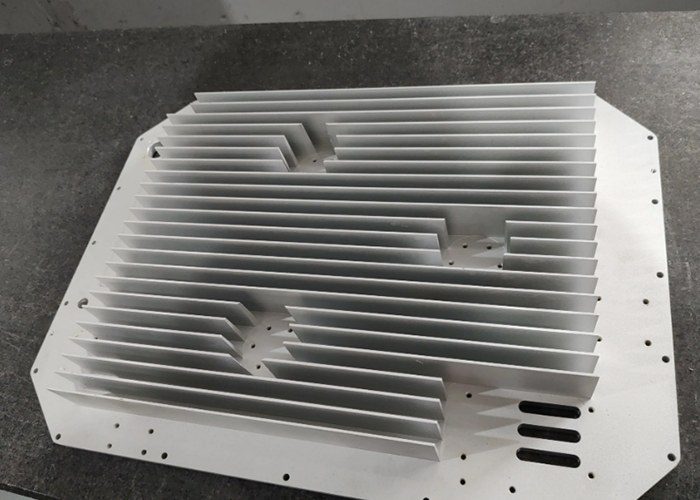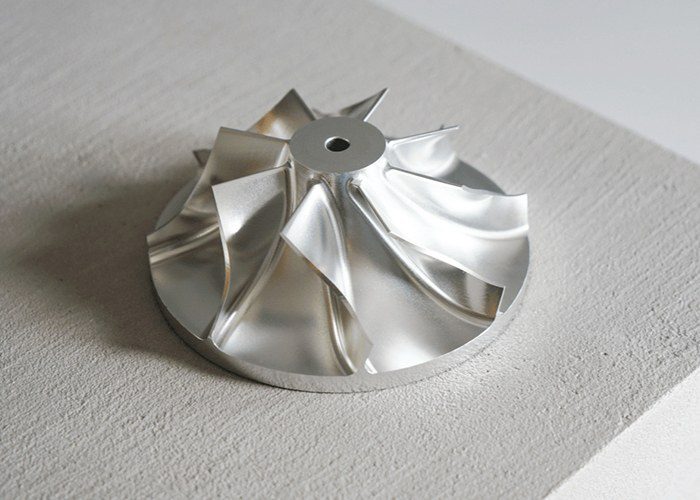
In the landscape of contemporary manufacturing, few technologies have been as transformative as Computer Numerical Control (CNC) milling. At the heart of this revolution lie the machinery parts themselves—the intricate assembly of components that work in concert to transform raw material into precision-engineered products. CNC milling machinery parts represent not merely mechanical components but the very foundation upon which modern industrial precision is built.
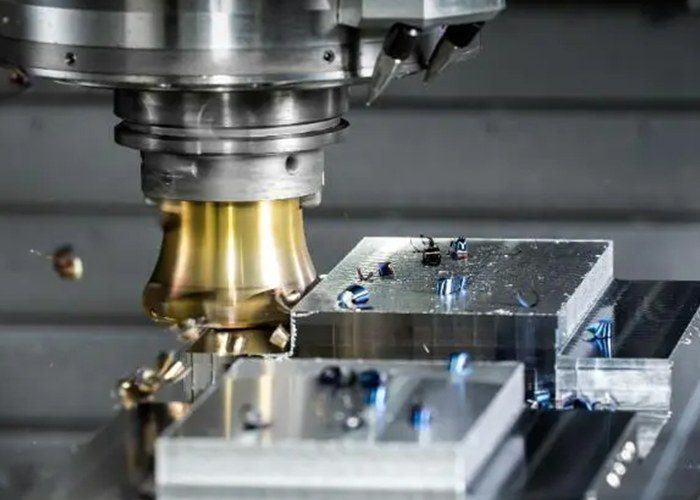
The Anatomy of a CNC Milling Machine
Understanding CNC milling machinery parts begins with recognizing the machine’s fundamental architecture. The structure follows a modular principle where mechanical, electrical, and digital components interlock seamlessly. The machine bed serves as the foundational element, supporting the entire operation and ensuring stability throughout the machining process. Typically constructed from cast iron, the frame provides the rigidity necessary to resist the considerable cutting forces generated during operation.
Perhaps the most critical component is the spindle—often described as the heart of the CNC milling machine. The spindle holds and rotates the cutting tool at high speeds, transforming a simple block of material into a finely crafted component. Working in conjunction with the spindle are the axes, which allow motion using Cartesian coordinates programmed via G-code. Standard configurations include three linear axes (X, Y, and Z), while advanced models incorporate additional rotary axes for machining complex geometries.
The worktable, equipped with T-slots, secures the workpiece during machining. Modern machines also feature automatic tool changers that swap tools without human intervention, significantly reducing setup time. The CNC controller—the electronic brain of the machine—contains the electronics that drive the axis motors, interpreting programmed instructions and converting them into precise mechanical movements.
Materials That Shape the Industry
The adaptability of CNC milling equipment is underscored by the extensive diversity of materials it can effectively machine. Aluminum stands as one of the most popular choices, prized for its excellent machinability, lightweight properties, and natural corrosion resistance. Its high strength-to-weight ratio makes it ideal for aerospace, automotive, and electronics applications.
Steel and stainless steel offer superior strength and durability for load-bearing and high-stress components. While requiring slower cutting speeds compared to aluminum, steel delivers exceptional mechanical performance. Titanium, though more challenging to machine, provides an exceptional strength-to-weight ratio and high temperature resistance, making it indispensable for aerospace components, medical implants, and motorsport parts. Engineering plastics such as ABS, nylon, Delrin, and PEEK have also become increasingly common, offering unique properties for specialized applications.
Applications Across Industries
The influence of CNC milling machinery parts extends across virtually every sector of modern industry. In aerospace, CNC milling produces lightweight yet robust components with tolerances as tight as ±0.005 mm, essential for ensuring safety and reliability. Aircraft structural components, turbine blades, and brackets all rely on the precision that only CNC milling can provide.
The automotive industry depends on CNC milling for engine blocks, gearbox housings, and transmission components. The technology’s ability to produce complex geometries with exceptional repeatability has made it indispensable for modern vehicle manufacturing. In the medical field, CNC milling produces surgical instruments, orthopedic implants, and dental components where precision is literally a matter of life and death. The electronics industry similarly relies on CNC-machined housings and heat dissipation structures.
Quality Control and Maintenance
The exceptional performance of CNC milling machinery parts depends on rigorous quality control and maintenance practices. Regular machine maintenance—including routine cleaning, lubrication, and component inspection—is essential for maintaining high accuracy. Even a tiny calibration flaw can drastically degrade final-product accuracy.
Statistical Process Control (SPC) has emerged as a data-driven method for monitoring machining operations, helping identify trends and potential issues before they escalate. Modern facilities also employ quality control software for real-time monitoring, automated inspection, and integrated reporting. Predictive maintenance and real-time monitoring systems further drive calibration excellence, ensuring machines operate within specified tolerances.
Daily maintenance focuses on moving parts and core components. Guide rails and lead screws require stable lubrication to prevent sticking, accelerated wear, and positioning errors. The spindle and tool magazine warrant close scrutiny, as faults in these areas can instantly bring operations to a standstill. Proper maintenance not only extends machine life but also ensures consistent machining accuracy across production batches.
The Future of CNC Milling Machinery Parts
The trajectory of CNC milling technology points toward ever-greater integration of intelligence and automation. The adoption of artificial intelligence and machine learning is improving decision-making and productive output. By 2026, high-speed spindles capable of 30,000 to 60,000 RPM are expected to become standard in production environments, reducing cycle times and enabling the machining of hardened materials without secondary operations.
Robotic systems, automated pallet changers, and intelligent material handling systems are creating highly efficient production environments. Digital twins and hybrid manufacturing approaches are pushing the boundaries of what precision manufacturing can achieve. The precision components and tooling systems market is projected to grow from $7.66 billion in 2025 to $8.28 billion in 2026, reflecting the sustained demand for these essential technologies.
Conclusion
CNC milling machinery parts represent the convergence of mechanical engineering, electronics, and computer science. From the robust machine bed to the precision-ground spindle, from the intricate axes to the intelligent controller, each component plays an indispensable role in the manufacturing ecosystem. Driven by escalating industrial demands for superior precision, faster cycles, and complex geometries, these machinery parts will continue to spearhead industrial innovation. The machines of tomorrow will build upon the foundations laid today, driven by the same commitment to precision that has defined CNC milling since its inception. In an era where manufacturing excellence increasingly determines competitive advantage, CNC milling machinery parts stand as the precision backbone of modern industry.