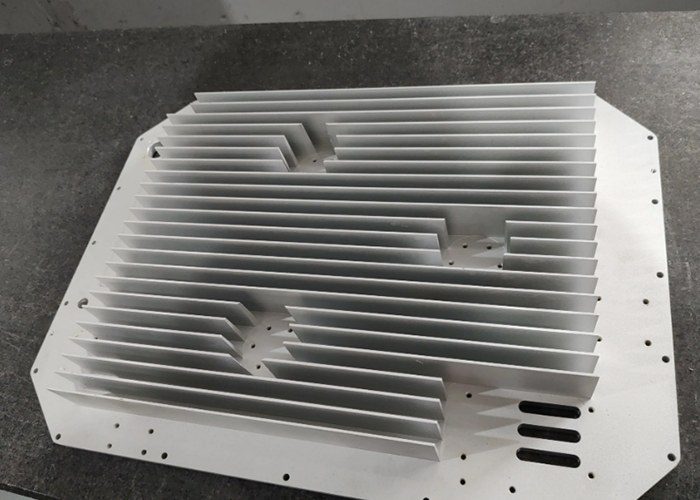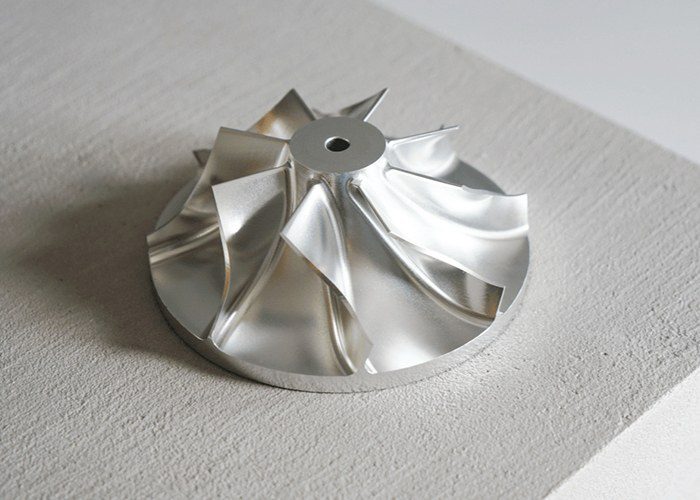
In the landscape of modern manufacturing, few technologies have reshaped production capabilities as profoundly as Computer Numerical Control (CNC) milling. From aerospace components with tolerances measured in micrometers to medical implants that must meet exacting specifications, CNC milling machines enable the creation of parts that would be impossible—or prohibitively expensive—to produce through manual methods. Yet beneath the sleek exteriors and sophisticated software of these machines lies a complex ecosystem of mechanical, electronic, and structural components, each playing an indispensable role in transforming digital designs into physical reality. Understanding these parts is not merely an academic exercise; it is essential knowledge for anyone involved in operating, maintaining, or specifying CNC milling equipment.
The Foundation: Frames, Beds, and Structural Integrity
Every CNC milling machine begins with its frame and bed—the foundational elements that provide the rigidity and stability necessary for precision machining. Most CNC milling machine frames are constructed from cast iron, a material prized for its excellent vibration-damping properties and structural rigidity. During cutting operations, immense forces are generated; without a sufficiently rigid frame, these forces would cause deflection, compromising dimensional accuracy and surface finish. Some advanced designs employ epoxy granite-filled weldments or aluminum structures to enhance thermal stability or reduce weight, though cast iron remains the industry standard for its proven performance. The machine bed supports the entire assembly and must maintain thermal consistency to preserve long-term machining accuracy.
The Heart of the Machine: Spindles and Tool Holding Systems
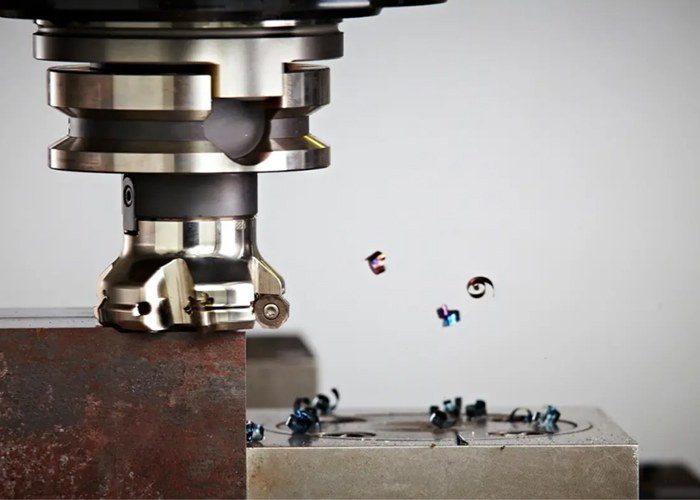
If the frame is the skeleton of a CNC milling machine, the spindle is its heart. The spindle is the rotating assembly that holds and drives the cutting tool, and its precision directly determines the quality of the finished workpiece. To ensure precision and durability, spindles must simultaneously provide high-speed rotation with minimal runout and robust resistance to substantial cutting forces. Modern spindles are available in various taper configurations—BT, CAT, and HSK being among the most common—each offering different balances of stiffness, balance, and tool-changing convenience. The tool holder, which secures the cutting tool within the spindle, is equally critical; improper clamping or worn holders can lead to tool pullout, chatter, and catastrophic failure. Priced between $5,000 and $25,000 depending on specs, spindle assemblies are high-value assets that make diligent maintenance an operational necessity.
Motion and Precision: Axes, Guides, and Drive Systems
The axes of a CNC milling machine enable the precise positioning and movement that define the machining process. Most CNC mills operate on three linear axes—X, Y, and Z—corresponding to horizontal, cross, and vertical movements. Advanced machines incorporate additional rotary axes, enabling 4-axis and 5-axis machining that can produce complex freeform surfaces in a single setup. The movement along these axes is achieved through high-precision linear guides and ball screws. Ball screws convert the rotational motion of servo or stepper motors into precise linear displacement, and their condition is paramount to maintaining positional accuracy. The progressive deterioration of ball screw performance undermines machining consistency, producing variable tolerances that necessitate scrapping or extensive rework. Regular inspection of ball screws, linear guides, and way covers is essential to detect wear before it compromises quality.
The Brain: CNC Controllers and Software Integration
The CNC controller serves as the machine’s brain, interpreting G-code instructions and directing the movements of motors, spindles, and auxiliary systems. Modern controllers are sophisticated computers that manage not only positioning but also spindle speed, coolant flow, tool changes, and safety functions. They integrate sensors and feedback systems that monitor tool position, spindle load, and cutting conditions in real time, allowing for adaptive control and process optimization. The controller’s ability to execute complex toolpaths with repeatable accuracy is what enables CNC milling to achieve tolerances tight enough to eliminate the need for secondary processing in many applications.
Automation and Efficiency: Tool Changers and Workholding
Automatic tool changers (ATCs) represent a quantum leap in machining efficiency. These devices allow the machine to switch between multiple cutting tools during a job without manual intervention, enabling complex, multi-step processes to run unattended. The worktable, typically equipped with T-slots for attaching fixtures and clamps, holds the workpiece securely during machining. Advanced configurations may include pallet changers that further automate workpiece loading and unloading, reducing idle time and increasing throughput.
The Unsung Heroes: Consumables and Support Systems
Beyond the major structural and motion components, CNC milling machines rely on numerous support systems and consumable parts. Coolant systems deliver cutting fluid to the tool-workpiece interface, reducing heat and extending tool life; clogged nozzles can reduce tool life by as much as 40%. Way covers protect precision guide surfaces from chips and debris, yet they are among the most frequently failing components due to constant mechanical stress. Limit switches, sensors, and cable management systems, though relatively inexpensive, can cause costly downtime when they fail.
The Imperative of Maintenance
With over 200 critical components in a modern CNC mill, and only 15 accounting for 82% of operational issues, targeted maintenance is essential. Proper lubrication of moving parts—ball screws, linear guides, and spindles—reduces friction and prevents premature wear. Regular cleaning removes chips and coolant that can cause corrosion and mechanical failures. Systematic inspections, from daily visual checks to annual professional calibration, can reduce downtime by 60% compared to industry averages. The most expensive failures often originate from the cheapest components; a $15 limit switch can shut down a $250,000 machine for days.
Looking Forward
The CNC milling equipment parts market continues to evolve, driven by trends toward multi-axis machining, high-speed cutting, and increased automation. As machines become more capable and complex, the demands on their constituent parts only intensify. Understanding the function, maintenance, and limitations of these components is not merely technical trivia—it is the foundation of operational excellence in modern manufacturing. From the cast iron bed to the precision-ground ball screw, from the high-speed spindle to the intelligent controller, every part matters. And in an industry where microns make the difference between success and scrap, that attention to detail is what separates the exceptional from the merely adequate.