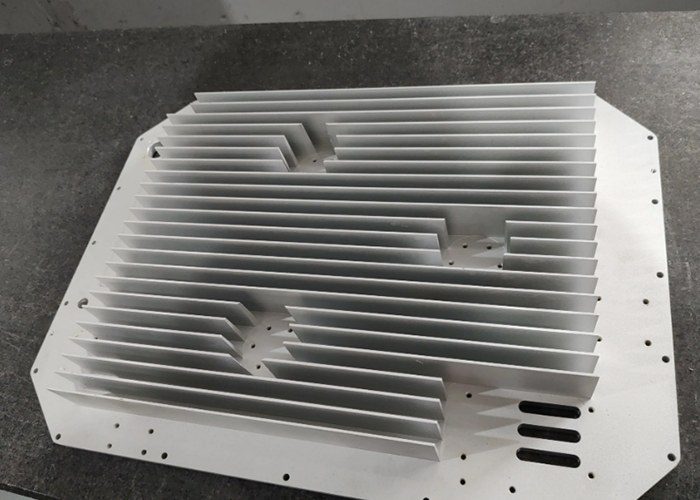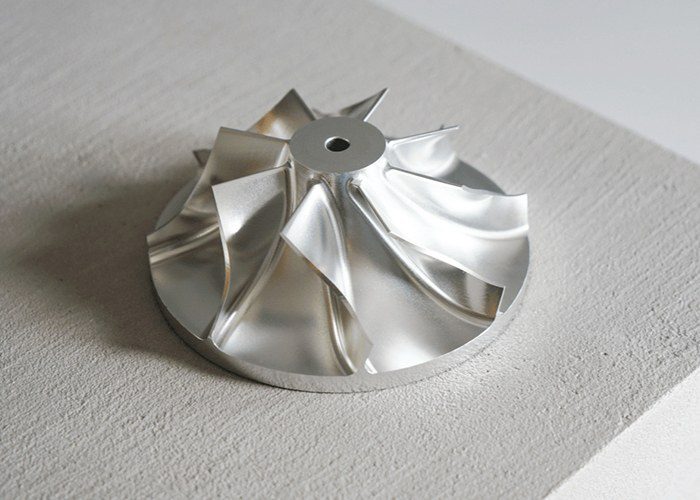
In the landscape of contemporary manufacturing, few technologies have proven as transformative as Computer Numerical Control (CNC) machining. From the smallest medical implant to critical aerospace structures, CNC machining components form the invisible skeleton of modern industrial civilization. This article explores the fundamentals, processes, materials, applications, and future trajectory of this indispensable manufacturing method.
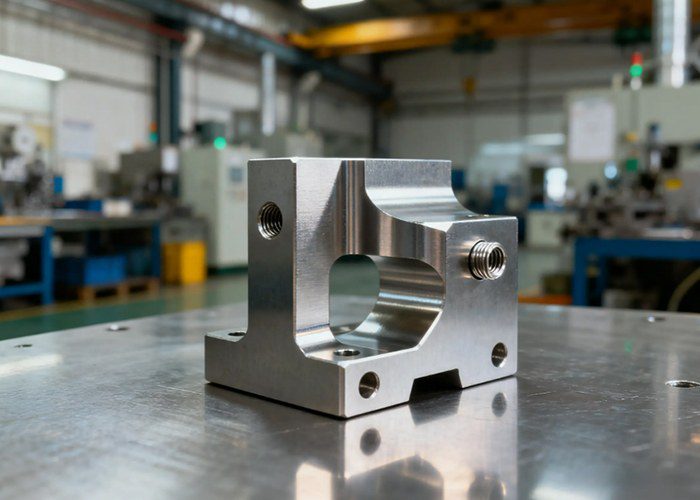
Understanding CNC Machining: A Subtractive Revolution
CNC machining is a software-driven subtractive process that automates the movements of mills, lathes, and grinders. Unlike additive manufacturing methods like 3D printing, which build parts layer by layer, CNC machining removes material from a solid block — known as the workpiece — to create the desired shape. This fundamental distinction gives CNC-machined components superior mechanical properties, as the material’s internal grain structure remains intact throughout the process.
The origins of CNC technology trace back to the 1940s and 1950s, when early machines relied on punched tape for data storage. Today’s CNC machines bear little resemblance to these rudimentary ancestors. Modern systems can manipulate tools across three, four, or even five axes simultaneously, achieving levels of precision that were unimaginable just a generation ago.
The CNC Machining Process: From Digital Design to Physical Reality
Every CNC machining component begins its life as a digital model. Engineers create detailed 3D designs using Computer-Aided Design (CAD) software, defining every dimension, tolerance, and specification. This digital blueprint is then imported into Computer-Aided Manufacturing (CAM) software, where toolpaths, cutting parameters, and machining strategies are defined. The CAM system generates G-code — the programming language that CNC machines understand — which serves as the machine’s instruction manual.
Once programming is complete, the machine setup begins. The operator securely mounts the raw material onto the machine table or fixture, installs the appropriate cutting tools, and establishes reference points so the machine knows the exact position of both the workpiece and tools. With everything in place, the CNC controller reads the G-code line by line, converting commands into precise movements of servo motors, spindles, and actuators.
The actual material removal occurs progressively — roughing passes remove bulk material quickly, while finishing passes achieve the final dimensions and surface quality. Throughout this process, modern CNC machines employ sensors and closed-loop feedback systems that monitor spindle loads, axis positions, and tool conditions in real time, automatically adjusting if deviations are detected.
Materials: The Palette of Precision
CNC technology’s versatility extends to an extraordinary range of materials. Metals dominate the landscape, with aluminum being among the most commonly machined due to its lightweight, corrosion-resistant properties and excellent machinability. Aluminum forms the backbone of critical components across aerospace, automotive, and electronics manufacturing. Steel — particularly stainless steel for medical and food processing applications, and carbon steel for tools and structural components — offers unmatched strength and durability. Titanium, prized for its exceptional strength-to-weight ratio and biocompatibility, is essential for aerospace and medical implants.
Engineering plastics such as ABS, PEEK, nylon, and acetal offer unique advantages including light weight, chemical resistance, and electrical insulation. Composites and advanced materials are increasingly common, driven by applications requiring specialized properties. The choice of material profoundly impacts machining parameters, tool selection, and ultimately the component’s performance in its intended application.
Applications Across Industries
CNC machining components are ubiquitous across virtually every industrial sector. In aerospace, they form the backbone of mission-critical systems — turbine blades, structural parts, satellite brackets, and landing gear components. The industry demands components that can withstand extreme conditions, and CNC machining delivers the precision and reliability required.
The medical device industry stands out as another critical domain of application. CNC machining produces surgical instruments, orthopedic implants, dental components, and advanced prostheses with the microscopic precision that patient safety demands. The technology’s ability to work with biocompatible materials like titanium and specialized polymers makes it indispensable in this field.
Automotive manufacturing relies on CNC machining for engine components, transmission parts, chassis elements, and fuel injection systems. The electronics industry leverages CNC machining to manufacture finely detailed, miniature components with high precision, including connectors, housings, heat sinks, and milled PCBs. Even jewelry, furniture, and construction industries leverage CNC technology for precise cutting, engraving, and forming.
Precision, Tolerances, and Quality Control
The defining characteristic of CNC machining components is their exceptional precision. Standard machining can provide tolerances around ±0.005 inches, while fine machining achieves ±0.001 inches, and specialized processes can reach tolerances as tight as ±0.00005 inches. This level of accuracy is measured in microns — fractions of a human hair’s thickness.
Quality control is the critical linchpin that ensures precision in CNC machining. After machining, components undergo rigorous inspection using calipers, micrometers, and Coordinate Measuring Machines (CMMs) that verify dimensional accuracy against the original design. Many manufacturers now employ closed-loop quality systems where CMM measurement data feeds directly back into the machining process, enabling continuous improvement.
Advantages That Drive Adoption
CNC machining offers compelling advantages over traditional manufacturing methods. The automation eliminates human error, ensuring consistent quality across high-volume production runs. Geometries once impossible or prohibitively expensive to machine manually have now become standard practice. The process supports lean manufacturing through single-setup machining on multi-axis centers, reducing lead times by 40 to 70 percent compared to sequential setups.
Furthermore, CNC machining excels in rapid prototyping, enabling accurate mechanical testing and assembly verification before committing to full production. The technology’s speed, accuracy, and efficiency make it cost-effective for both prototypes and production-scale components.
The Future: Smarter, More Connected, More Sustainable
CNC machining continues to evolve. Artificial intelligence is transforming the field through predictive maintenance, optimized toolpaths, and real-time decision-making. Hybrid manufacturing — combining additive and subtractive processes in a single workflow — enables greater design freedom and reduced material waste. Digital thread integration connects every stage from design to delivery, providing full traceability and seamless data flow.
Sustainability is increasingly important, with developments in recycled metals, biodegradable plastics, and natural fiber composites aimed at minimizing environmental impact. CNC machines are becoming integral to smart factory ecosystems, enabling real-time monitoring and optimization through Industry 4.0 technologies.
Conclusion
CNC machining components represent the convergence of digital design, precision engineering, and automated manufacturing. From the smallest medical device to the largest aerospace structure, these components enable the technologies that define modern life. As artificial intelligence, hybrid manufacturing, and digital integration continue to advance, CNC machining will remain at the forefront of industrial innovation — transforming digital designs into physical reality with ever-greater precision, efficiency, and sustainability. The journey from punched tape to AI-optimized machining is a testament to human ingenuity, and the best is yet to come.