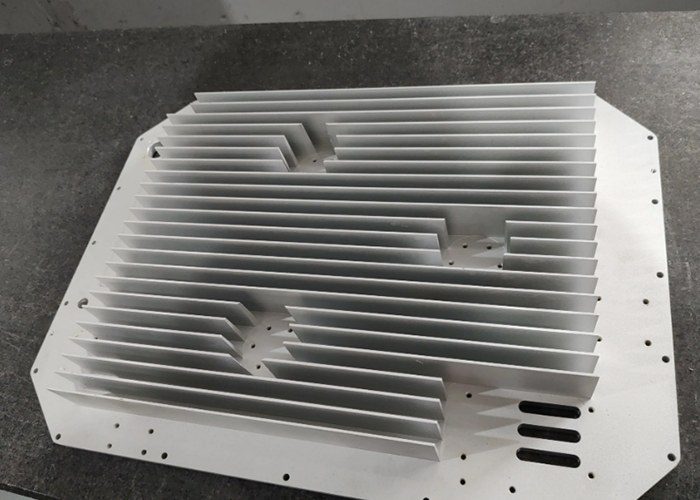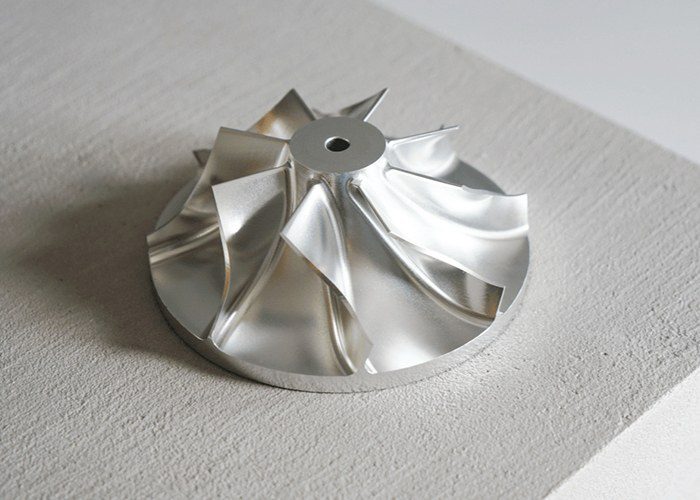
In the relentless pursuit of performance, reliability, and aesthetic perfection, the automotive industry has always leaned heavily on precision engineering. At the heart of this precision lies Computer Numerical Control (CNC) milling, a subtractive manufacturing process that has become the gold standard for producing high-quality car parts. From the roar of a race engine to the silent hum of an electric vehicle (EV), CNC milled components are the unsung heroes ensuring that modern vehicles meet the extreme demands of drivers and engineers alike.
Unlike traditional manufacturing methods that often rely on casting or forging—processes that can introduce inconsistencies—CNC milling offers unparalleled accuracy. The process begins with a solid block of material, typically aluminum, steel, titanium, or high-strength polymers. Guided by computer-aided design (CAD) models, rotating cutting tools remove excess material with microscopic precision. For car parts, where a tolerance of a few thousandths of an inch can mean the difference between a perfectly sealed engine and a catastrophic failure, this level of control is non-negotiable.
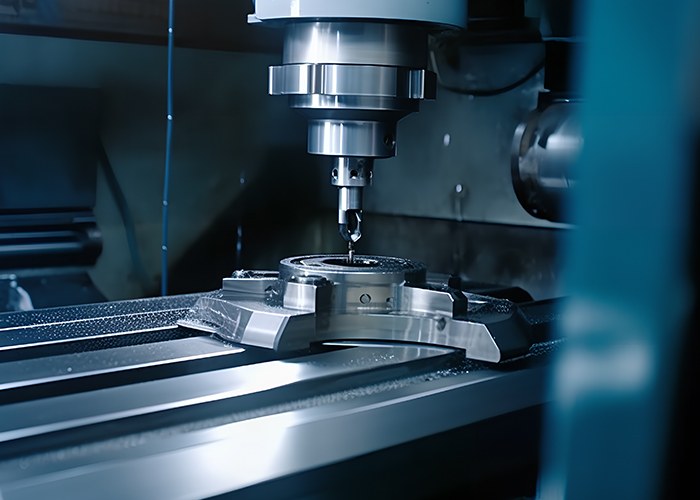
The Uncompromised Advantages of CNC Milling in Automotive Manufacturing
One of the primary reasons CNC milling has become indispensable in automotive production is its ability to maintain structural integrity. When manufacturing high-stress components like suspension knuckles, engine mounts, or turbocharger housings, the material’s internal grain structure must remain intact. Casting can sometimes create porosity or weak points, but CNC milling starts with wrought materials that boast superior mechanical properties. The result is a part that is not only stronger but also lighter—a critical factor in an era where reducing vehicle weight directly correlates with improved fuel efficiency and handling.
Another significant advantage is the capacity for complex geometry. Modern car parts are rarely simple rectangles or circles. Consider the intricate cooling channels inside a cylinder head or the aerodynamic contours of a custom brake caliper. CNC milling machines, particularly 5-axis variants, can approach a workpiece from virtually any angle. This allows engineers to create organic shapes that optimize airflow, reduce weight through strategic ribbing, and consolidate what used to be assemblies of multiple parts into a single, monolithic component. Consolidation reduces the risk of failure at weld points or bolt joints, increasing the overall durability of the vehicle.
Material Versatility and Performance Optimization
The automotive sector demands materials that can withstand extreme heat, friction, and cyclic loads. CNC milling accommodates a vast spectrum of these materials with ease. For high-performance racing teams, billet aluminum (such as 7075-T6) is the material of choice for suspension arms and chassis components due to its excellent strength-to-weight ratio. In contrast, the burgeoning EV market has seen a surge in the use of engineering plastics and composites for battery housing components and interior structural elements—materials that require specific tooling and speeds that only advanced CNC mills can provide.
Furthermore, the process allows for rapid iteration. In the world of motorsports and prototype development, time is the most valuable currency. If a suspension geometry proves suboptimal during a weekend race, engineers can tweak the CAD file overnight, and a CNC mill can produce a revised upright or control arm by morning. This agility is impossible with traditional tooling methods like injection molding or die-casting, which require lengthy lead times for mold creation.
Surface Finish and Functional Aesthetics
Beyond pure mechanics, CNC milling plays a crucial role in the visual and tactile quality of car parts. While functional components like transmission gears require a specific surface finish to retain lubrication and reduce friction, aesthetic components—such as custom intake manifolds, dress-up kits, or shift knobs—rely on CNC milling for a premium look. The process can achieve mirror finishes or precise brushed patterns that signify quality. For aftermarket enthusiasts, CNC-machined parts are synonymous with “billet” quality, representing the highest standard of customization.
Sustainability and the Future of Automotive Manufacturing
As the automotive industry pivots toward sustainability, CNC milling is adapting to become greener. Modern CNC machines utilize high-efficiency spindles and regenerative braking systems to reduce energy consumption. Moreover, because milling is a subtractive process, the chips and scrap metal generated are highly recyclable. Unlike composite waste from other processes, metal shavings can be collected and melted down for reuse, contributing to a circular economy within the manufacturing sector.
Looking ahead, the integration of automation and Industry 4.0 technologies is making CNC milling even more vital. With the rise of autonomous guided vehicles (AGVs) and robotic part loading/unloading, automotive factories are running “lights-out” manufacturing—operating 24 hours a day with minimal human intervention. This scalability allows for mass production of critical components without sacrificing the precision traditionally reserved for prototype work.
Conclusion
CNC milling is far more than just a method of cutting metal; it is the backbone of modern automotive innovation. It bridges the gap between conceptual design and physical reality, providing the strength, precision, and complexity required by today’s high-performance and electric vehicles. Whether it is ensuring the safety of a family SUV through robust braking components or shaving milliseconds off a lap time with lightweight suspension links, CNC milled car parts represent the pinnacle of engineering. As automotive technology continues to evolve—toward electrification, autonomy, and advanced materials—the role of CNC milling will only grow, solidifying its status as an indispensable force in the future of mobility.