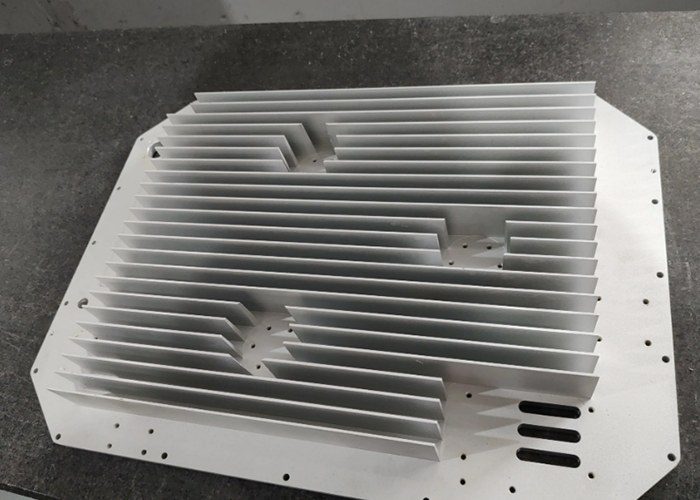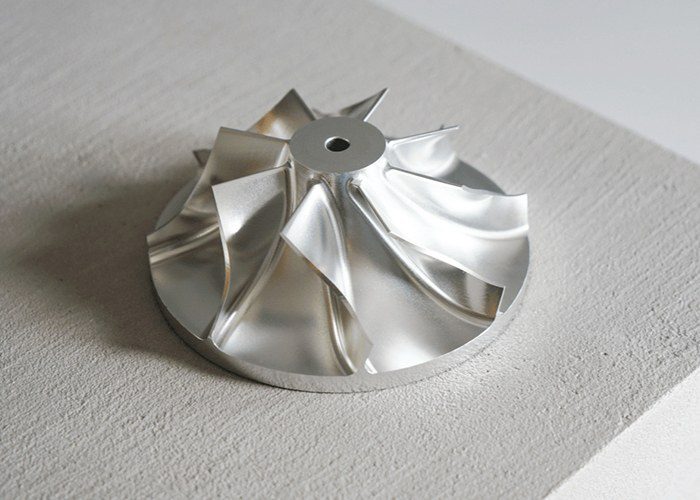
In the world of modern manufacturing, few processes embody the perfect marriage of precision, durability, and aesthetic appeal quite like CNC milling of aluminium cases. Whether destined for high-end consumer electronics, rugged industrial enclosures, or bespoke mechanical keyboards, the aluminium case has become the gold standard for products requiring robust protection and a premium feel. Behind this ubiquitous component lies the intricate world of Computer Numerical Control (CNC) machining—a subtractive manufacturing process that transforms a simple block of metal into a sophisticated, functional work of art.
Why Aluminium?
The journey of CNC milling begins with the choice of material. Aluminium is the preferred substrate for cases for several compelling reasons. Its exceptional strength-to-weight ratio ensures that products remain portable without sacrificing structural integrity. Unlike steel, which can be prohibitively heavy, or plastic, which often feels cheap and flexes under stress, aluminium offers a “premium” tactile experience. Furthermore, aluminium boasts excellent thermal conductivity. For applications like amplifier cases or computer enclosures, the chassis itself can act as a heat sink, passively drawing heat away from internal components. Its natural resistance to corrosion also guarantees longevity, ensuring that a case milled today will look and perform as intended decades from now.
The Milling Process: From Block to Box
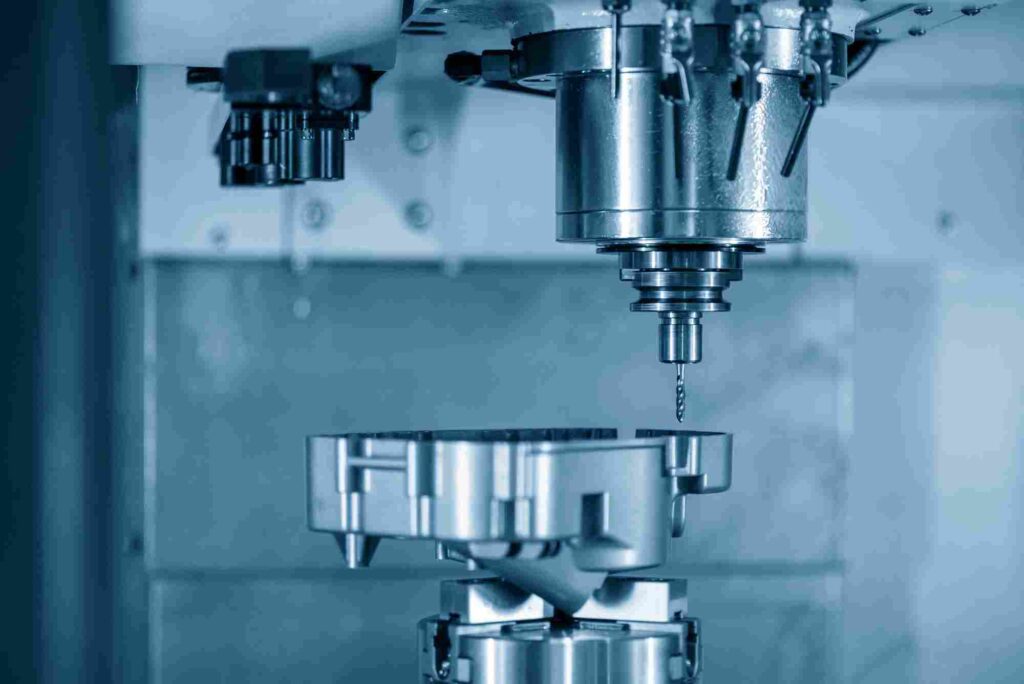
The creation of an aluminium case via CNC milling is a study in patience and precision. It typically starts with a solid block, or “billet,” of aluminum—most commonly 6061 or 6063 grade, known for their machinability and stability. The block is secured within a CNC milling machine, a device controlled by software that dictates the movement of cutting tools with micron-level accuracy.
The process is subtractive. Unlike 3D printing, which builds an object layer by layer, milling carves away everything that is not the case. This is a multi-stage operation. Roughing passes use larger, aggressive tools to remove the bulk of the material quickly, bringing the block close to its final shape. This is followed by semi-finishing and finishing passes, where smaller, high-precision end mills create the final geometry.
For a typical enclosure, this involves machining the internal cavity to precise tolerances to accommodate circuit boards, screens, or internal frames. The outer surfaces are then milled to achieve the desired geometry—whether it is the smooth, rounded edges of a smartphone or the aggressive, vented exterior of an industrial controller. Features such as button cutouts, I/O ports, USB-C openings, and threaded screw bosses are all created during this phase. Once the milling is complete, the case is often deburred to remove sharp edges left by the machining process.
The Pursuit of Surface Quality
One of the most critical aspects of milling aluminium cases is surface finish. The raw machined surface often leaves visible “tool marks”—fine lines left by the spinning end mill. Depending on the intended aesthetic, manufacturers have several paths forward.
For a minimalist, industrial look, the case may undergo media blasting. Using fine glass beads or aluminum oxide, this process creates a uniform, matte texture that diffuses light and hides minor imperfections. Alternatively, a brushed finish involves running an abrasive belt across the surface in a linear direction, creating the fine parallel lines often associated with high-end audio equipment or laptops.
However, raw aluminium is soft and prone to oxidation (which appears as a dull, grey patina). To address this and add durability, the vast majority of CNC milled cases undergo anodizing. This electrochemical process thickens the naturally occurring oxide layer on the metal. Anodizing serves two purposes: it hardens the surface to resist scratches and wear, and it allows for vibrant, durable coloring. Whether it’s a sleek space grey, a deep black, or a bold red, the anodized layer locks the color into the metal rather than simply painting the surface.
Challenges in CNC Milling Cases
Despite the superior results, CNC milling aluminium cases is not without its challenges. The primary hurdle is material waste. Because the process is subtractive, a significant portion of the original aluminium billet is turned into chips and scrap. While this scrap is recyclable, it makes the process less environmentally friendly and more expensive than injection molding plastics.
Cost is another factor. CNC machining requires expensive capital equipment, skilled operators, and significant cycle time. A single complex case can take 30 minutes to over an hour to machine, driving up the per-unit cost. This is why products featuring CNC aluminium cases typically occupy the premium price tier of the market.
Thermal management during machining also poses a challenge. Aluminium is “gummy”; it can stick to cutting tools if not properly cooled. Machinists must carefully manage coolant flow and feed rates to prevent tool breakage and ensure the final part does not warp due to the heat generated by the milling process.
Applications and the Future
The versatility of CNC milled aluminium cases has led to their proliferation across industries. In the consumer electronics sector, they define the feel of flagship smartphones, laptops, and wearables. In the automotive and aerospace industries, they house sensitive control units that must withstand vibration and extreme temperatures. The “maker” and DIY communities have also embraced them; custom mechanical keyboard enthusiasts often spend hundreds of dollars on limited-run, CNC milled aluminium cases to achieve a specific weight, sound profile (the “thock”), and aesthetic that plastic cannot replicate.
Looking ahead, the future of CNC milling for aluminium cases is trending toward hybrid manufacturing. We are seeing the rise of 5-axis CNC machining, which allows a machine to rotate the part while cutting. This eliminates the need for multiple setups, increases accuracy, and allows for more complex, ergonomic designs that were previously impossible to manufacture.
Additionally, advances in automation and robotics are beginning to address the cost issue. “Lights-out manufacturing”—where machines run unattended overnight—is increasing output and reducing the cost barrier, making high-quality aluminium cases more accessible to small businesses and startups.
Conclusion
CNC milling aluminium cases represents a convergence of engineering necessity and industrial artistry. It is a process that respects the properties of the material while leveraging the absolute limits of precision machinery. From the initial selection of a 6061 billet to the final splash of anodized color, every step is focused on creating a product that is not only functional—protecting delicate internals from the elements—but also a joy to use and behold. In a world where consumers increasingly judge quality by touch and weight, the CNC milled aluminium case remains an unrivaled benchmark of excellence.