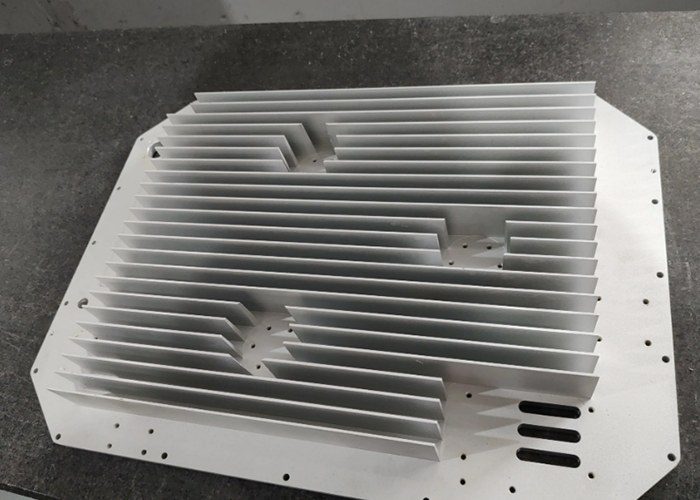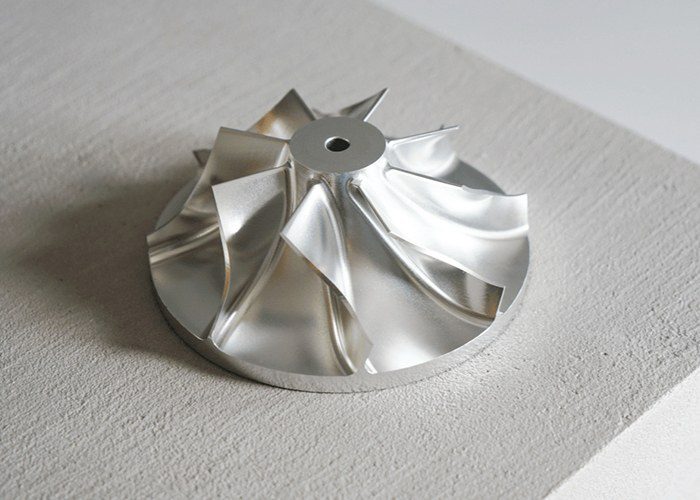
In the world of modern photography and videography, the camera body is often celebrated as the star of the show. However, professional photographers know that the magic truly happens at the intersection of high-quality optics and robust, precision-engineered support gear. From lens mounts to rigs and filter holders, the unsung hero behind this hardware revolution is Computer Numerical Control (CNC) milling. As we look toward the future of content creation, the synergy between CNC machining and camera accessories is defining new standards for durability, precision, and customization.
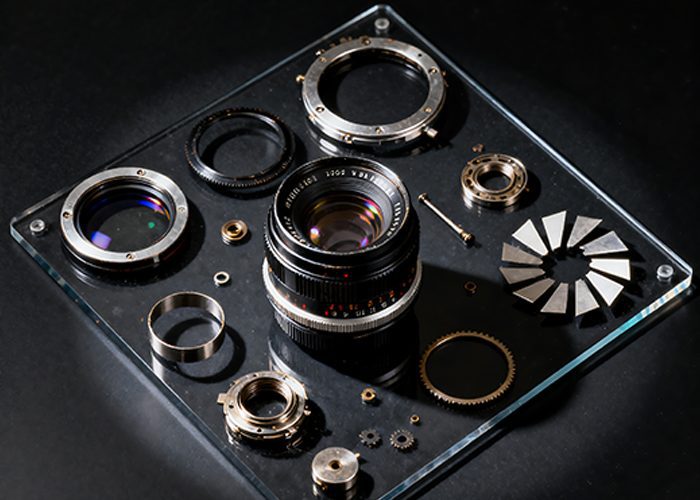
The Quest for Absolute Precision
Photography is, at its core, a pursuit of light. The path light travels through a lens and onto the sensor must remain undisturbed by mechanical imperfections. This is where CNC milling transitions from a manufacturing process to a critical component of image quality.
Camera accessories—specifically those involving lens mounts, adapter rings, and sensor alignment tools—require tolerances that are nearly impossible to achieve with traditional casting or manual methods. A lens mount that is even a fraction of a millimeter off can result in back-focus issues, where the lens reports sharp focus, but the sensor records a soft image.
CNC machining addresses this by operating within micron-level tolerances (often ±0.01mm or tighter). When machining a lens barrel or a mount made of aluminum or titanium, the rigid precision of a multi-axis CNC mill ensures that the flange focal distance—the space between the mount and the sensor—is mathematically perfect. This mechanical accuracy ensures that a $3,000 lens communicates perfectly with a camera body, delivering the sharpness the optic is capable of producing.
Engineering the “Feel” and Durability
One of the distinct characteristics that separate professional photography gear from consumer-grade plastic equipment is the “tactile feel.” The smooth (damping) of a CNC-machined focus ring or the cold, reassuring weight of a all-metal camera cage instills confidence in the user.
CNC milling allows manufacturers to utilize high-strength materials that are otherwise difficult to process. Aluminum 6061 and 7075 are popular choices for camera cages and L-brackets because they offer an exceptional strength-to-weight ratio. For high-end applications, stainless steel or titanium are used for load-bearing elements like tripod mounts or quick-release plates. These materials, when machined, resist bending under heavy cine lenses or rigging equipment, ensuring that the optical axis remains stable during critical shoots.
Furthermore, post-machining processes like anodizing or sandblasting are applied seamlessly to CNC’d surfaces, enhancing the scratch resistance and giving the accessories a professional, wear-resistant finish.
The Rise of Modular Cine Systems
The film industry has moved away from the “one-body-does-all” approach. Modern filmmakers assemble their cameras like Lego sets, adding matte boxes, follow-focus motors, SSD mounts, and top handles. This ecosystem, often referred to as “cine rigging,” relies entirely on standardized mounting points—specifically the ARRI-standard 15mm and 19mm rod systems, and a plethora of 1/4″-20 and 3/8″-16 threaded holes.
CNC milling is the only manufacturing method that can efficiently produce the complex geometries required for these modular components. A NATO rail clamp, for example, requires undercuts and precise spring tension channels that must be machined to exact specifications. Using CNC milling, manufacturers can produce lightweight yet strong components like articulated arms and clamp blocks that allow users to reconfigure their setups on the fly without worrying about parts failing under the weight of heavy cinema lenses.
In-Line Quality Assurance: The CNC Camera Connection
Interestingly, the relationship between cameras and CNC machining is bidirectional. While CNC machines build camera parts, cameras are increasingly being used to improve CNC machining. High-precision camera systems are now integrated into CNC machine tools themselves to measure tools and parts without making physical contact.
In the context of manufacturing accessories, systems like the “VTS” non-contact tool setters use CCD cameras to measure complex cutting tools in real-time, ensuring that the threads inside a filter ring or the hexagonal cavity in a tripod foot are cut perfectly. Additionally, some Coordinate Measuring Machines (CMMs) now feature camera systems that can be swapped with touch probes. This allows manufacturers to inspect camera accessories optically, ensuring that the cosmetic finish is flawless and that tiny features, like engraved scale markings on a focus ring, are perfectly legible.
Monitoring the Machining of Perfection
Ironically, to create a clear view for a camera, manufacturers rely on cameras in the machining process. The production of high-end camera accessories often involves “lights-out manufacturing,” where machines run unattended. To ensure that a batch of 200 lens adapters is machining correctly, operators use in-machine camera systems like the Rotary Wiper or high-resolution inspection cameras to monitor tool wear and chip buildup without opening the machine doors.
These systems, equipped with sapphire-glass windows and 4K resolution, allow engineers to zoom in on a tiny drill bit as it carves out a cavity for a cable release port. This real-time monitoring ensures that if a tool breaks or a chip jams the workspace, the machine stops immediately, preventing the scrapping of expensive aluminum stock.
Conclusion
The phrase “CNC Milling Camera Accessories” represents more than just a manufacturing technique; it represents a philosophy of precision. As camera sensors push past 100 megapixels and video resolutions climb to 8K and beyond, the tolerance for error in the supporting hardware shrinks to zero.
CNC machining meets this challenge by offering the material strength required for professional durability and the microscopic accuracy necessary for modern optics. Whether it is a lightweight titanium cage for a run-and-gun documentary or a precision-machined leveling base for architectural photography, CNC technology ensures that the gear around the camera is as capable as the camera itself.