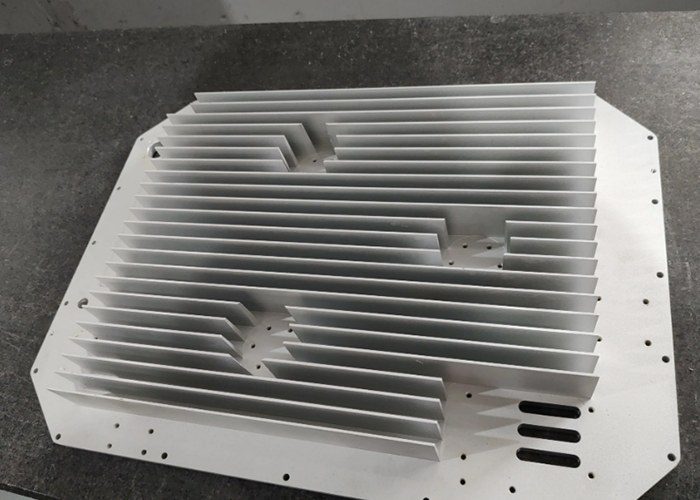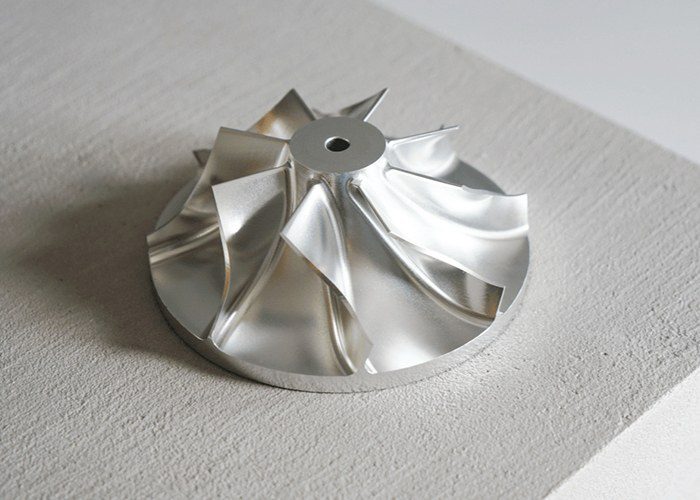
In the landscape of contemporary manufacturing, few processes command the same level of respect and utility as CNC milling of steel parts. This subtractive manufacturing technique, guided by computerized numerical control, has become the gold standard for producing components that demand exceptional strength, precision, and reliability. From the engines that power our vehicles to the structural frameworks of aircraft, CNC milled steel parts form the silent backbone of modern industry.
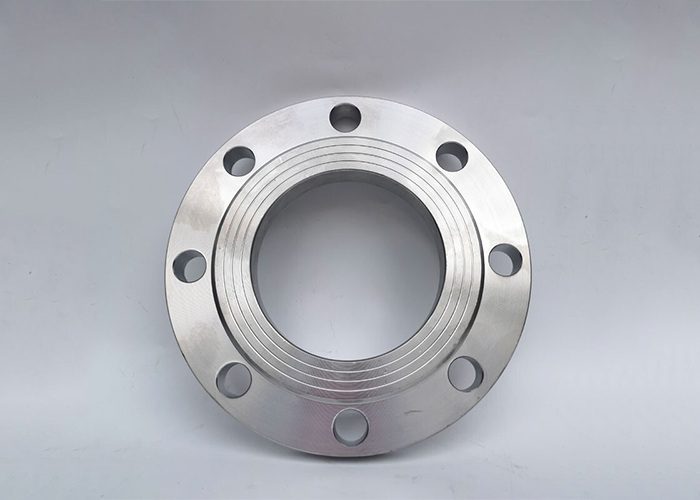
The Process: From Digital Blueprint to Physical Component
The journey of a CNC milled steel part begins not on the factory floor, but in the digital realm. Engineers create a detailed 3D model using Computer-Aided Design (CAD) software, where every dimension, tolerance, and surface requirement is precisely defined. This digital blueprint is then translated into machine-readable instructions through Computer-Aided Manufacturing (CAM) software, which generates the tool paths that will guide the cutting tools.
Once the programming is complete, the actual machining begins. Securely mounted onto the milling machine’s bed is a steel billet, meticulously sourced from a diverse spectrum of grades and alloys. Unlike turning operations where the workpiece rotates, CNC milling keeps the component stationary while rotating cutting tools move along multiple axes, removing material layer by layer. Modern machines can operate across three, four, or even five axes simultaneously, enabling the production of complex geometries, undercuts, and intricate features that would be impossible with conventional machining methods.
The process typically follows a two-stage approach: roughing, which removes the bulk of the material quickly, followed by finishing, which achieves the required dimensional precision and surface quality. Throughout this machining process, the CNC program meticulously regulates cutting parameters—namely spindle speed, feed rate, and depth of cut—to achieve the highest quality output.
Material Selection: Matching Steel to Application
The versatility of CNC milling is reflected in the wide array of steel grades it can process. Carbon steel, prized for its strength and cost-effectiveness, is widely used for automotive parts and machinery components that require high strength. Stainless steel, with its exceptional corrosion resistance, finds applications in medical devices, aerospace components, and food processing equipment. Alloy steels, enhanced with elements like manganese or nickel, offer improved hardness and toughness for demanding applications. Tool steels, known for their ability to withstand wear and maintain hardness at elevated temperatures, are essential for creating cutting tools, dies, and molds. Manufacturers routinely work with grades such as 1045, 4140, 304 stainless, and 17-4PH, among many others.
Precision That Defines Performance
One of the most compelling advantages of CNC milling is its ability to achieve extraordinary precision. Standard CNC milling operations offer tolerances within the ±0.01–0.05 mm range. In contrast, precision machining, utilizing optimized fixturing and tooling, delivers IT5–IT6 tolerances, equivalent to a tighter range of ±0.002–0.01 mm. Some operations achieve dimensional accuracy as tight as ±0.005 millimeters. Surface finishes can be refined to Ra 0.8–1.6 micrometers, with advanced techniques delivering even smoother results. This level of precision is not merely a matter of aesthetics—it is critical for components that must fit perfectly within complex assemblies and perform reliably under extreme conditions.
Applications Across Critical Industries
The combination of steel’s inherent strength and CNC milling’s precision makes these components indispensable across numerous industries. In the automotive sector, CNC milled steel parts are integral to engines, transmissions, suspension systems, and braking components, contributing directly to vehicle safety, performance, and longevity. The aerospace industry relies on CNC machined steel components for structural elements, brackets, housings, and landing gear parts that must withstand extreme stresses while maintaining strict weight and safety requirements. In medical device manufacturing, stainless steel components produced through CNC milling meet stringent regulatory standards for surgical instruments and implants. Heavy equipment, robotics, energy systems, and industrial machinery all depend on the durability and precision of CNC milled steel parts.
The Advantages That Drive Adoption
Steel’s mechanical properties—its exceptional strength, resistance to deformation, and ability to endure extreme temperatures and pressures—make it an ideal material for mission-critical applications. When combined with CNC milling, these properties are transformed into components of unparalleled reliability. The process offers remarkable repeatability; once a program is established, the same part can be reproduced across hundreds or thousands of units with near-zero deviation. This consistency, from prototyping through mass production, ensures that quality does not diminish as volumes increase. Furthermore, CNC milling enables the creation of intricate geometries and complex features that would be difficult or impossible to achieve through casting or forging alone.
Quality Assurance: The Commitment to Excellence
Given the critical nature of many CNC milled steel components, quality control is not an afterthought—it is an integral part of the manufacturing process. Advanced metrology tools, including coordinate measuring machines (CMMs) and optical comparators, verify dimensional accuracy at multiple stages. In-process monitoring, automated optical inspection systems, and even digital twin technology are increasingly employed to detect defects in real-time, reducing scrap and ensuring that every part meets specifications. Comprehensive inspection reports, including certificates of conformance and first article inspection reports, provide full traceability.
The Road Ahead: Trends Shaping the Future
As we look toward the future, the CNC milling of steel parts continues to evolve. The industry is shifting toward intelligent production ecosystems, where data-driven decision-making and automation optimize every second of spindle time. Multi-axis machining is becoming increasingly prevalent, reducing setup operations and improving accuracy. The relentless pursuit of tighter tolerances and greater geometric complexity is challenging the very frontiers of what is technically feasible. Meanwhile, sustainability considerations are driving innovations in cooling techniques and material efficiency. The global market for CNC machined parts continues to expand, with projected growth rates of 5–7% annually, driven by sustained demand across aerospace, automotive, and industrial sectors.
Conclusion
CNC milled steel parts represent the convergence of material science, digital engineering, and precision manufacturing. They are the components that make modern life possible—from the cars we drive to the planes we fly, from the medical devices that save lives to the industrial equipment that builds our world. As technology continues to advance, the capabilities of CNC milling will only expand, delivering steel components of ever-greater precision, complexity, and reliability. In an era where performance cannot be compromised, CNC milled steel parts remain the definitive choice for engineers and manufacturers who demand nothing less than excellence.