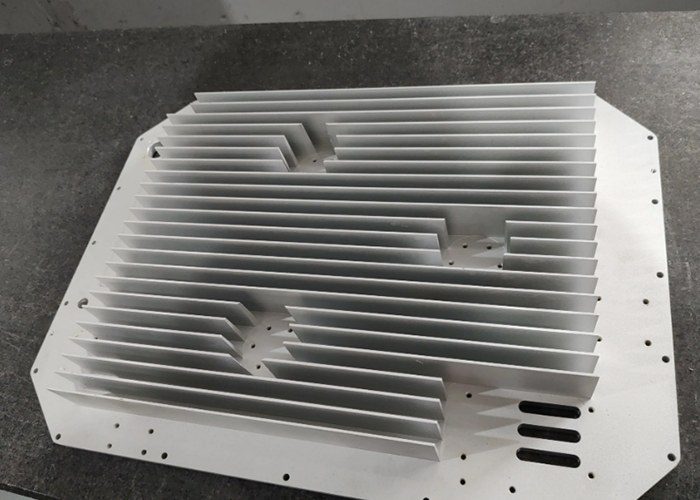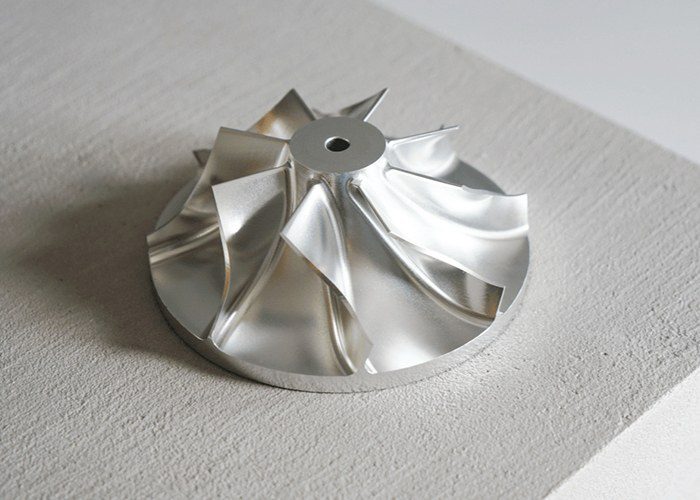
In the landscape of modern manufacturing, few processes command the same level of respect and utility as CNC milling—particularly when applied to stainless steel. Computer Numerical Control (CNC) milling has become the most widely used machining process for producing durable, corrosion-resistant components that power industries ranging from aerospace to medical devices. When these two forces—precision machining and advanced metallurgy—converge, the result is a class of components that define the standards of strength, reliability, and dimensional accuracy in the twenty-first century.
The Material: Why Stainless Steel?
Stainless steel is not a single alloy but a family of iron-based materials containing chromium, nickel, and other alloying elements that impart exceptional corrosion resistance and structural integrity. Its ability to resist rust, staining, and oxidation makes it indispensable across countless applications. However, these very properties also make stainless steel one of the more challenging materials to machine. The alloy’s high toughness is offset by poor thermal conductivity and a pronounced susceptibility to work hardening during cutting. Heat generated during milling does not dissipate quickly and tends to concentrate at the tool-workpiece interface, accelerating tool wear and compromising dimensional accuracy. These characteristics place stainless steel firmly in the category of medium-to-difficult machining materials.
The Process: Precision Through Control
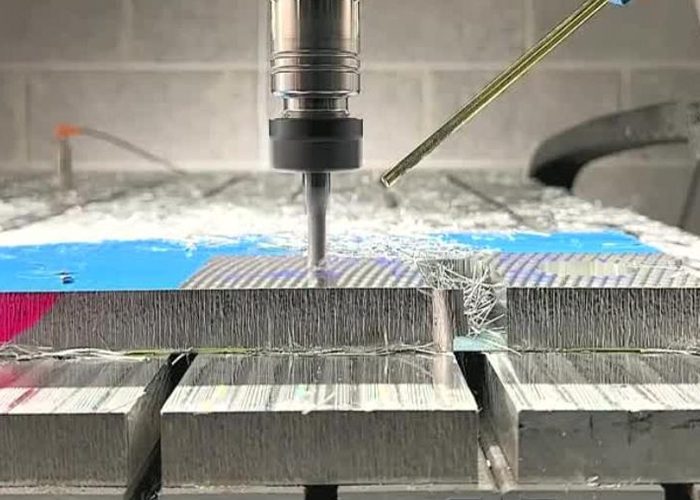
CNC milling of stainless steel is a subtractive manufacturing process in which a rotating cutting tool removes material from a stationary workpiece under computer control. The journey begins with a three-dimensional CAD model, which is translated into a detailed set of machining instructions that govern every aspect of the operation—spindle speed, feed rate, depth of cut, and tool changes. This level of automation eliminates manual error and delivers exceptional repeatability, making it possible to produce complex geometries such as pockets, slots, housings, chamfers, and counterbores with remarkable consistency.
Achieving success in CNC milling stainless steel demands more than simply feeding a program into a machine. The selection of cutting tools is critical; carbide tools with titanium aluminum nitride coatings are widely regarded as the optimal choice, offering the hardness and heat resistance required to withstand the punishing conditions of stainless steel machining. Cutting parameters must be meticulously balanced—higher feed rates help avoid work hardening, while the proper depth of cut balances efficiency against tool wear. Coolant delivery is equally vital, dissipating heat and preventing the thermal damage that can compromise surface finish and part integrity.
The Challenges: Mastering a Difficult Material
The difficulties inherent in milling stainless steel are well documented. High cutting forces place substantial loads on tools, leading to rapid wear. Concentrated heat generation threatens dimensional accuracy. The material’s tendency to work harden means that the surface layer becomes harder after cutting, increasing the difficulty of subsequent passes. Chip formation presents another obstacle—stainless steel chips can easily entangle the cutting tool, interrupting the machining process and compromising surface quality. These challenges demand robust machine tools with exceptional rigidity, stable spindles with minimal runout, and sophisticated cooling systems capable of maintaining consistent thermal conditions throughout the operation.
The Alloys: Choosing the Right Grade
Not all stainless steels are created equal, and selecting the appropriate grade is essential for any CNC milling project. Austenitic grades such as 304 and 316 are the most commonly used, offering excellent corrosion resistance and good machinability. Grade 304, with its versatility and rust resistance, finds widespread use in food processing, pharmaceutical, and chemical equipment. Grade 316, known as marine-grade stainless steel, provides superior resistance to chlorides and is ideal for harsh environments including marine and chemical applications. For applications demanding higher strength, precipitation-hardening alloys like 17-4 PH offer ultimate tensile strengths reaching 150 ksi, though they require careful thermal management during machining. Free-machining grades such as 303 incorporate sulfur to improve chip breakage and reduce tool wear, making them suitable for high-volume production of fasteners and fittings.
The Applications: Across Industries
The versatility of CNC milled stainless steel parts is reflected in their ubiquity across virtually every sector of advanced manufacturing. In aerospace, stainless steel components must withstand extreme temperatures and pressures while maintaining structural integrity—turbine blades, engine components, and structural fasteners all rely on precision-machined stainless steel. The medical industry demands materials that are both biocompatible and corrosion-resistant; surgical instruments, implantable devices, and diagnostic equipment are routinely manufactured from CNC-milled stainless steel. Automotive applications include exhaust systems, engine components, and structural parts that require both strength and long-term durability. Industrial equipment, from valves and pumps to heavy construction machinery, depends on stainless steel components that can withstand chemical exposure, high pressure, and continuous operation. Even the food and beverage industry relies on stainless steel for processing equipment that must meet stringent hygiene standards while resisting corrosion.
The Future: Advancing the Art
As manufacturing technology continues to evolve, so too does the art of CNC milling stainless steel. Advances in tool materials, cutting geometries, and cooling strategies are steadily pushing the boundaries of what is achievable. Multi-axis machining centers enable the production of increasingly complex geometries in a single setup, reducing lead times and improving accuracy. The integration of advanced simulation and optimization software allows engineers to predict and mitigate machining challenges before metal is ever cut. These developments, combined with the inherent advantages of stainless steel—corrosion resistance, strength, and longevity—ensure that CNC milled stainless steel parts will remain indispensable to modern industry for decades to come.