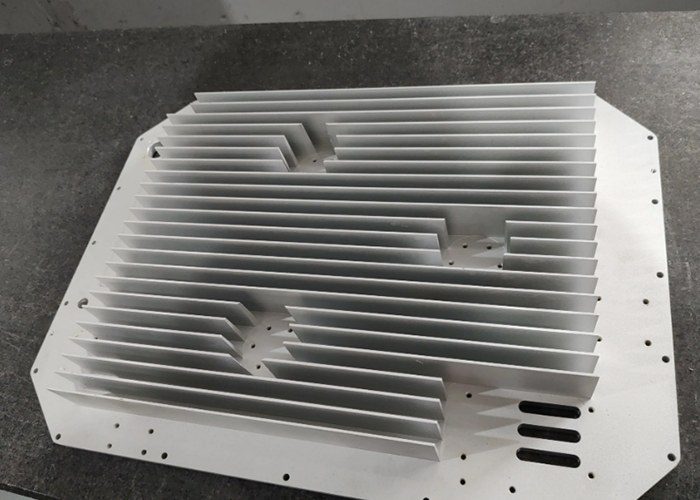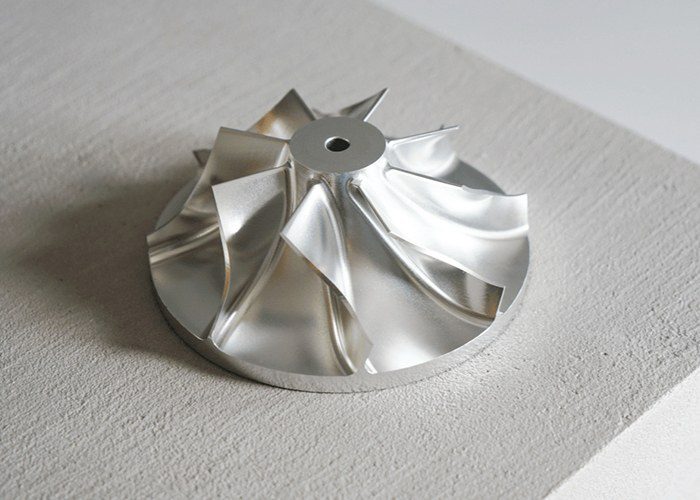
Stainless steel stands as one of the most versatile and widely utilized materials in modern manufacturing. From surgical instruments and aerospace components to automotive systems and food processing equipment, stainless steel parts are everywhere—and increasingly, they are produced through Computer Numerical Control (CNC) machining. CNC machining of stainless steel parts represents a sophisticated intersection of material science, precision engineering, and digital manufacturing, offering unparalleled accuracy, repeatability, and design freedom. This article explores the fundamentals, challenges, applications, and emerging trends in CNC machining stainless steel parts.
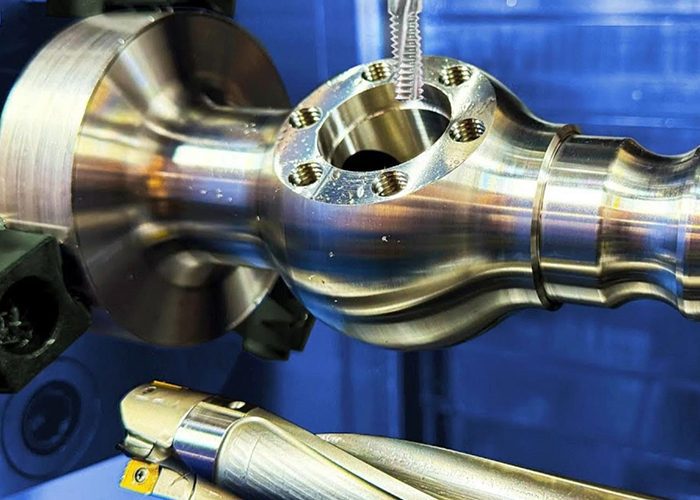
Why Stainless Steel?
Stainless steel is favored in CNC machining primarily for its exceptional durability, corrosion resistance, and aesthetic appeal. The material contains a minimum of 10.5% chromium, which forms a passive oxide layer on the surface that provides outstanding protection against rust and chemical attack. Beyond corrosion resistance, stainless steel offers high tensile strength, wear resistance, hygienic properties that make it easy to clean and sterilize, and temperature resistance across a broad range of operating conditions. These properties make it the material of choice whenever a part must withstand pressure, abrasion, moisture, sanitation demands, or long service life.
The Machining Challenge
Despite its advantages, stainless steel is notoriously difficult to machine compared to aluminum or mild steel. The primary challenge is work hardening—during cutting, the surface layer of austenitic grades like 304 and 316 can become significantly harder and more abrasive as it undergoes plastic deformation. This phenomenon means that subsequent passes encounter a tougher material, accelerating tool wear and making chip control more difficult.
Additionally, stainless steel has low thermal conductivity, meaning heat generated during cutting stays concentrated near the cutting edge rather than dissipating into the workpiece. This localized heat accelerates tool wear and can compromise surface quality. Effective machining therefore requires specialized tooling, precise cutting parameters, and robust cooling strategies.
Key Strategies for Successful Machining
Overcoming these challenges demands a systematic approach across five critical areas: machine tool, cutting tools, parameters, cooling, and programming.
Tooling Selection: Carbide cutting tools with advanced coatings—such as PVD-coated grades with positive rake geometries—are essential for stainless steel machining. Carbide typically outperforms high-speed steel by a factor of three to five times in speed capability and tool life. Sharp cutting edges and appropriate tool geometries help minimize work hardening and reduce cutting forces.
Cutting Parameters: For austenitic grades like 304, cutting speeds are typically maintained between 60 and 80 surface feet per minute, with feed rates kept low to minimize tool wear. Optimized parameters—such as 12 mm tool diameter, 150 m/min cutting speed, and 0.15 mm/tooth feed for slot milling—have been shown to balance efficiency and surface quality.
Cooling and Lubrication: The implementation of flood or high-pressure coolant systems is paramount for thermal regulation, friction reduction, and the effective removal of swarf from the machining interface. Effective cooling not only extends tool life but also improves surface finish and dimensional stability.
Machining Strategies: Techniques such as high-efficiency milling (HEM) and trochoidal toolpaths help maintain constant chip thickness and stabilize cutting temperatures. Using a depth of cut that penetrates beneath the work-hardened surface layer prevents rubbing and ensures clean cutting action.
Stainless Steel Grades for CNC Machining
Not all stainless steels machine the same way. The workhorses of the austenitic stainless steel family—particularly grades 304 and 316—are the most widely specified alloys, driven by their superior corrosion resistance and versatile mechanical performance. Grade 304, containing 18% chromium and 8% nickel, offers good machinability combined with superior corrosion resistance and weldability. Grade 316 includes molybdenum for enhanced resistance to chlorides and acids, making it ideal for marine and chemical environments.
In applications prioritizing machinability, sulfur-enhanced Grade 303 delivers superior machinability within the austenitic family, facilitating chip breaking at the modest expense of some corrosion resistance. 17-4PH precipitation-hardening stainless steel offers tensile strength exceeding 1,300 MPa after heat treatment and is widely used in aerospace and high-performance components. Ferritic grades like 430 offer good machinability with less work hardening tendency, while martensitic grades such as 410 and 420 can be heat-treated for increased hardness but become more difficult to machine as hardness increases.
Applications Across Industries
CNC-machined stainless steel parts serve critical roles across virtually every industry sector. In aerospace, stainless steel components such as turbine blades, engine parts, and structural elements must withstand extreme temperatures and pressures while maintaining dimensional stability. The medical device industry relies on precision-machined stainless steel for surgical tools, implants, and hospital equipment, where biocompatibility, sterilization capability, and corrosion resistance are non-negotiable. In automotive applications, stainless steel parts appear in exhaust systems, braking systems, and engine components where strength and wear resistance are critical. Food processing and pharmaceutical companies leverage stainless steel’s cleanability and hygienic design to meet rigorous sanitation requirements. Industrial equipment, including valves, pumps, and machinery components, benefits from stainless steel’s durability in harsh chemical or high-pressure environments.
Tolerances and Surface Finishes
Modern CNC machining achieves remarkable precision with stainless steel parts. Tolerances down to ±0.005 mm (±0.0002 inches) are routinely achievable, with surface finishes as fine as Ra 0.2 μm. Post-machining treatments further enhance performance: passivation removes free iron and machining residues to improve corrosion resistance without altering part dimensions, while electropolishing produces a mirror-like finish ideal for medical and food-grade applications.
Future Trends
The future of CNC stainless steel machining is being shaped by several transformative trends. Leveraging real-time monitoring and advanced analytics, next-generation CNC software unlocks unprecedented precision, streamlines efficiency, and drives fully integrated automation. The integration of IoT and Industry 4.0 allows machines to communicate and share data, creating interconnected production systems that reduce downtime and improve decision-making. Artificial intelligence is being integrated into CNC systems to optimize machining parameters, enable predictive maintenance, and autonomously improve production performance. Additionally, the hybrid approach combining additive manufacturing (3D printing) with traditional CNC subtractive processes offers new possibilities for creating complex geometries with reduced material waste and shorter lead times. Manufacturers are also placing greater emphasis on sustainability, adopting energy-efficient machines and eco-friendly practices to minimize environmental impact.
Conclusion
CNC machining of stainless steel parts is a sophisticated manufacturing discipline that demands a deep understanding of material behavior, precise process control, and continuous innovation. The combination of stainless steel’s superior mechanical and corrosion-resistant properties with the precision and repeatability of CNC technology enables the production of components that meet the most demanding industry standards. As digital manufacturing technologies continue to evolve, the capabilities and applications of CNC-machined stainless steel parts will only expand, driving progress across aerospace, medical, automotive, and countless other critical industries.