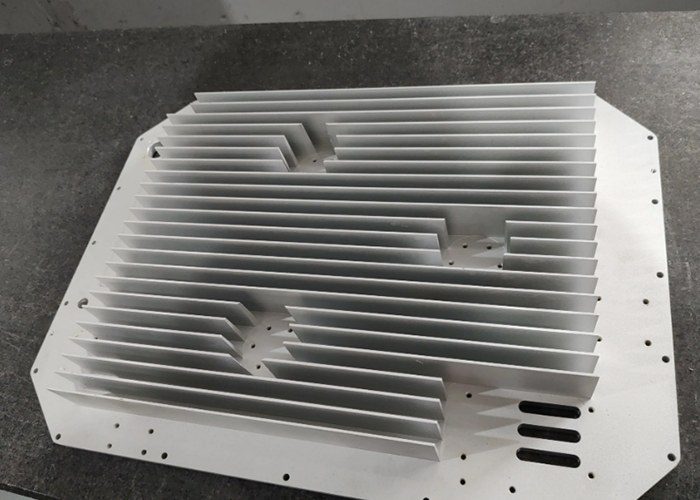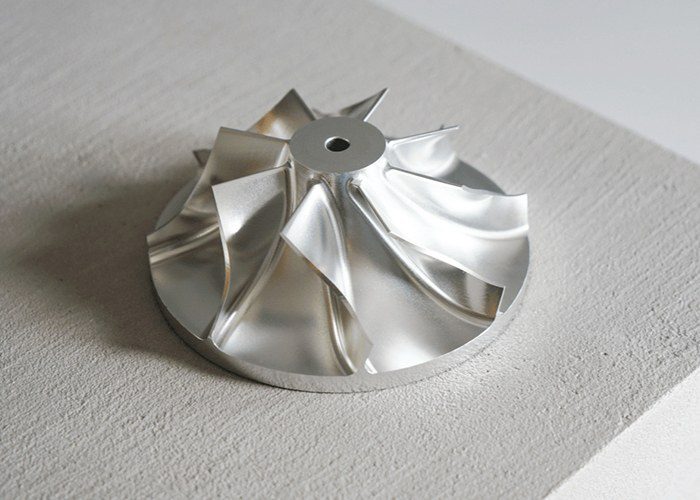
The automobile industry has long been one of the largest and most mature application scenarios for CNC precision machining. From the engine block to the smallest sensor housing, computer numerical control (CNC) technology underpins the production of components that define vehicle performance, safety, and reliability. As the industry undergoes its most profound transformation in a century—shifting from internal combustion engines to electric and hybrid powertrains—the role of CNC machining is not diminishing; it is evolving, expanding, and becoming more critical than ever.
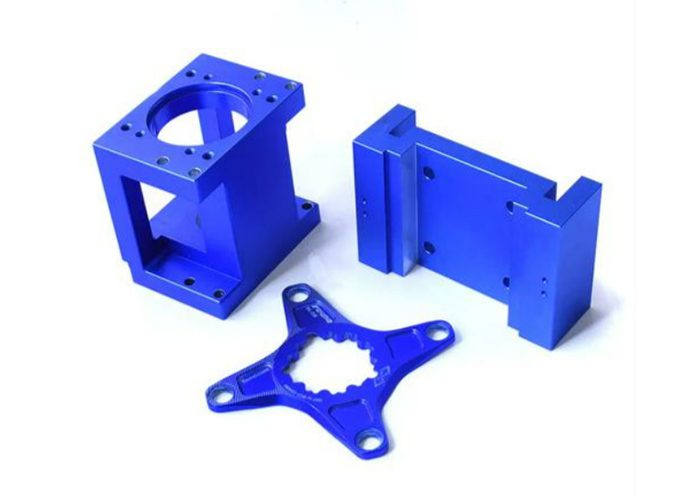
The Breadth of Automotive CNC Applications
CNC machining touches virtually every system within a vehicle. In traditional internal combustion engine vehicles, CNC technology is indispensable for manufacturing core mechanical parts that demand exceptional wear resistance and assembly accuracy. Engine components such as cylinder heads, pistons, crankshafts, and camshafts are produced with extreme precision to ensure optimal performance and reliability. Transmission systems rely on CNC-machined gears, shafts, and housings, while chassis and braking systems depend on precisely machined brackets, suspension components, brake calipers, and steering knuckles. These parts demand strict dimensional consistency; even minor deviations can lead to vibration, noise, or mechanical failure during operation.
The versatility of CNC machining is equally evident in its ability to handle diverse materials. While steel and aluminum remain the workhorses of automotive manufacturing, advanced materials such as titanium alloys and carbon fiber-reinforced composites are increasingly adopted to achieve lightweighting, high strength, and corrosion resistance. CNC machines process these materials with the same reliability, adapting cutting parameters and tooling to meet the unique challenges each material presents.
Technological Evolution: From 3-Axis to 5-Axis and Beyond
The capabilities of CNC machining have advanced dramatically. While 3-axis machining remains foundational, multi-axis technologies—particularly 5-axis machining—have become standard in modern automotive production. Five-axis machining enables the complete production of complex geometries in a single clamping operation, eliminating the quality risks associated with multiple setups. This capability is transformative: a single 5-axis setup can often replace three separate 3-axis operations, reducing cycle time by 40 to 60 percent while improving surface finish and eliminating positional errors. By 2026, five-axis machines are expected to account for over 35 percent of new CNC lathe and machining center purchases.
Process integration represents another leap forward. Modern machining centers combine turning, milling, drilling, gear cutting, and grinding in a single setup, eliminating the need for separate specialized machines and creating additional production capacity. This integration not only boosts efficiency but also enhances quality by reducing handling and setup errors. High-speed spindles capable of 30,000 to 60,000 RPM are becoming standard, reducing cycle times and enabling the machining of hardened materials without secondary operations.
The Electric Vehicle Revolution: New Components, New Demands
Perhaps the most significant force reshaping automotive CNC machining is the rise of electric vehicles (EVs). Electromobility is fundamentally changing the requirements for CNC manufacturers. While combustion engines will remain relevant in the medium term, the focus of manufacturing is shifting decisively toward electric motors, battery housings, and power electronics.
This shift brings entirely new component geometries and precision requirements. Rotors and stators for electric motors require precision in the micrometer range, as even minimal deviations can impair motor efficiency. By contrast, conventional drive systems typically accept tolerances of 0.01 to 0.05 millimeters. Battery housings demand the precise and efficient machining of large-area lightweight structures. The increasing variety of components and broader range of materials—aluminum and composites are gaining prominence—require flexibility and a holistic approach to processes, from tool design and cutting parameter selection to actual machining and finishing.
The transition also reduces machining volume in certain areas. Studies indicate that the machining volume for electric powertrains is reduced by up to 60 percent compared to classic powertrains, as electric drives require significantly fewer mechanical components. However, the components that remain demand higher precision and more sophisticated machining strategies.
Flexibility, Digitalization, and Sustainability
In an industry characterized by increasing variant diversity and shorter product life cycles, flexibility has become a survival factor. Modular machine designs allow quick adaptation to new requirements, while versatile automation solutions enable the economical production of different components—even in smaller batch sizes. Digital tools are equally transformative. The use of digital twins, in-process measurement technology, and machine learning shortens setup times, optimizes processes, and ensures consistently high quality standards. Continuous in-process measurement has become an essential tool for quality documentation, reducing scrap rates and relieving downstream quality control.
Sustainability, too, has emerged as a competitive advantage. Modern, energy-efficient CNC machines consume less electricity and benefit from intelligent recycling of cooling lubricants. High-precision machining reduces material waste, and efficient chip recycling conserves resources. As automakers demand verifiably sustainable manufacturing processes and carbon footprint transparency from their suppliers, CNC machining operations that embrace green manufacturing principles gain a distinct market edge.
A Market Poised for Growth
The scale of CNC machining’s role in the automotive sector is reflected in market figures. The global market for automotive parts CNC machining services was estimated at approximately US$8.3 billion in 2025 and is projected to reach nearly US$11 billion by 2032, growing at a compound annual rate of around 4 percent. Automotive applications accounted for roughly 31 percent of the global CNC machine market share in 2025, underscoring the sector’s immense component throughput spanning everything from engine blocks to battery trays.
Conclusion
CNC machining for the automobile industry is far more than a manufacturing process—it is the enabling technology that transforms engineering concepts into tangible, high-performance vehicles. Whether producing the intricate fuel injectors of a combustion engine or the micrometer-precise rotors of an electric motor, CNC technology delivers the reliability, precision, and cost-effectiveness that modern automotive manufacturing demands. As the industry continues its journey toward electrification, autonomy, and sustainability, CNC machining will remain at the heart of automotive innovation—adapting, evolving, and driving the future of mobility forward.