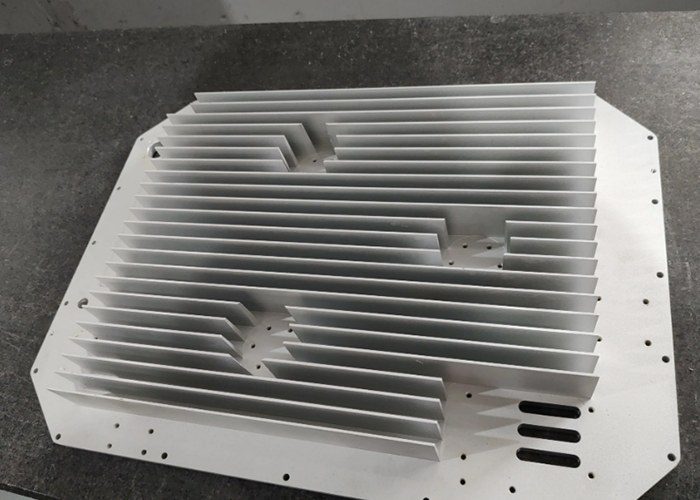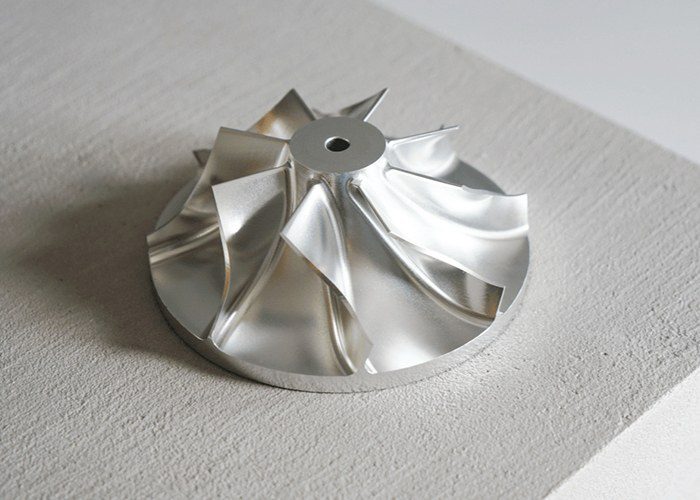
In the landscape of contemporary manufacturing, few processes have proven as transformative as Computer Numerical Control (CNC) milling. This technology has redefined how industries produce metal components, offering a level of precision, repeatability, and efficiency that was unimaginable just a few decades ago. From the smallest medical implants to massive aerospace structural elements, CNC milled metal components form the backbone of modern industrial production.
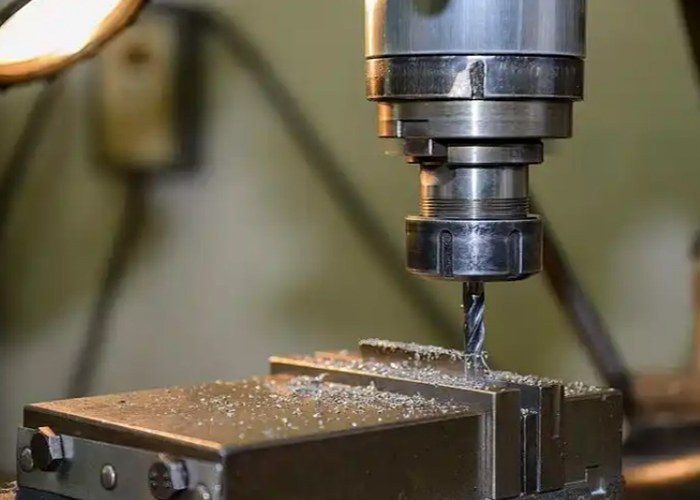
Understanding the CNC Milling Process
Essentially, CNC milling is a subtractive process in which computer-controlled rotating cutters precisely remove material from a solid workpiece. The journey from raw metal to finished component begins with a digital design created in Computer-Aided Design (CAD) software. This model is then translated into machine instructions—typically G-code—through Computer-Aided Manufacturing (CAM) programming, which defines the exact toolpaths the machine will follow.
Once the program is loaded, the CNC milling machine securely clamps the metal workpiece and executes the programmed movements with extraordinary precision. Modern CNC milling systems can achieve dimensional tolerances in the micrometre range, enabling manufacturers to produce components that fit flawlessly within complex mechanical assemblies. The process supports the creation of features such as holes, pockets, contours, and intricate surface profiles with consistent accuracy across production runs.
The Core Advantages of CNC Milled Metal Components
The ascendancy of CNC milling in metal component manufacturing is driven by several compelling advantages. Foremost among these is precision and repeatability. Unlike traditional manual machining, which relies on the skill and judgment of individual operators, CNC machining follows programmed instructions with unwavering consistency. Modern CNC milling machines can achieve accuracy of ±0.01 mm with repeatability exceeding 99%. This means that the thousandth part produced is virtually identical to the first—a critical requirement for industries where component interchangeability and reliability are paramount.
The versatility of CNC milling is another significant advantage. A single CNC milling machine can produce everything from experimental fixtures to final-use production parts. This flexibility makes the technology equally valuable for rapid prototyping and high-volume manufacturing. Furthermore, the automated nature of CNC milling reduces human error, minimizes material waste, and enables continuous production cycles with minimal operator intervention.
Material Diversity in CNC Milling
CNC milling is capable of processing an exceptionally wide range of metals, each selected for its specific properties and application requirements. Aluminum and its alloys are the most commonly machined materials, prized for their excellent strength-to-weight ratio, high machinability, and cost-effectiveness. Aluminum components are ubiquitous in aerospace, automotive, consumer electronics, and medical applications.
Stainless steel offers high strength, excellent corrosion resistance, and good machinability, making it ideal for medical devices, food processing equipment, and industrial structural components. Titanium stands out for its exceptional strength-to-weight ratio, biocompatibility, and heat resistance, though it presents significant machining challenges due to its poor thermal conductivity. Other commonly milled metals include brass for electrical and low-friction applications, copper for thermal and electrical conductivity, and various alloy steels for high-stress mechanical components.
Applications Across Critical Industries
The exceptional capabilities of CNC milled metal components have made them indispensable across a diverse range of industries. In aerospace, CNC milling produces critical components such as structural brackets, panels, engine mounts, and turbine parts that must withstand extreme conditions while maintaining precise dimensions. The ability to machine aerospace-grade titanium and superalloys with tight tolerances is essential for flight safety and performance.
The automotive industry relies heavily on CNC milled components for suspension and steering systems, control arms, brackets, and engine parts. The technology enables the production of lightweight yet durable components that improve fuel efficiency and vehicle performance. In medical device manufacturing, CNC milling produces surgical instruments, implants, and specialized tool parts with the micron-level accuracy and biocompatible materials that patient safety demands.
The electronics industry benefits from CNC milled aluminum housings, heat sinks, and connector components that require precise dimensions and excellent surface finishes. In robotics and automation, CNC machining produces gear housings, motor mounts, arm joints, and end-effectors that demand both rigidity and impact resistance.
The Evolution of CNC Milling Technology
Modern CNC milling has evolved far beyond basic three-axis machining. Five-axis CNC milling enables the production of components with complex geometries and undercuts in a single setup, reducing the need for multiple operations and improving accuracy. This capability is particularly valuable for aerospace components, medical implants, and complex housings that feature deep internal pockets, angled cavities, and intricate stepped profiles.
Advanced machining centres now incorporate automated tool changers, pallet systems, and high-speed spindles that enable continuous machining cycles and dramatically improve productivity. The integration of artificial intelligence and digital twin technologies is enabling machining path optimization, tool life prediction, and online quality monitoring.
Quality Control and Surface Finish
The quality of CNC milled metal components extends beyond dimensional accuracy to encompass surface finish, which affects both appearance and functional performance. Typical CNC milling achieves surface roughness values of Ra 0.4 to 3.2 µm. Post-processing operations such as anodizing, sandblasting, and coating can further enhance surface properties and corrosion resistance. Rigorous quality control protocols—including dimensional inspection, surface finish analysis, and material verification—ensure that every component meets specified requirements.
The Future of CNC Milled Metal Components
The global market for CNC metal cutting services continues to expand rapidly. Valued at US$52.7 billion in 2024, the market is projected to reach US$88.6 billion by 2031, growing at a compound annual rate of 7.7%. This growth is driven by increasing demand for high-precision components across aerospace, automotive, electronics, and healthcare sectors.
Looking ahead, the industry is embracing Industry 4.0 principles through increased automation, smart manufacturing solutions, and AI-driven analytics. The development of “cloud machining” platforms and integrated design-to-delivery services promises to further enhance efficiency and flexibility. As manufacturing continues its transformation toward greater intelligence and sustainability, CNC milled metal components will remain at the heart of precision engineering—turning digital designs into the physical realities that power our world.