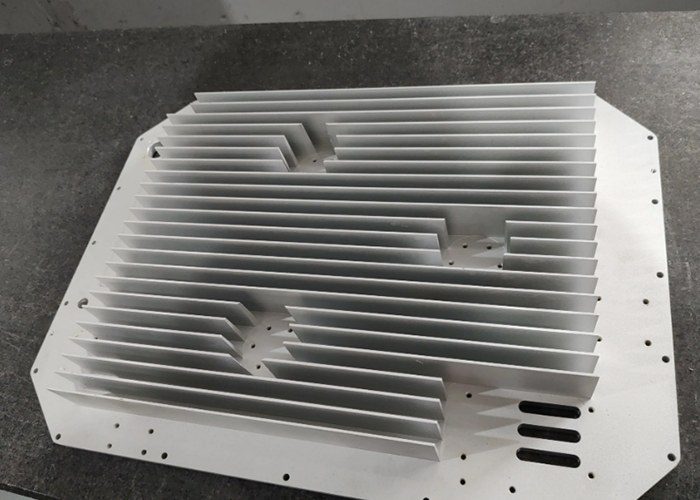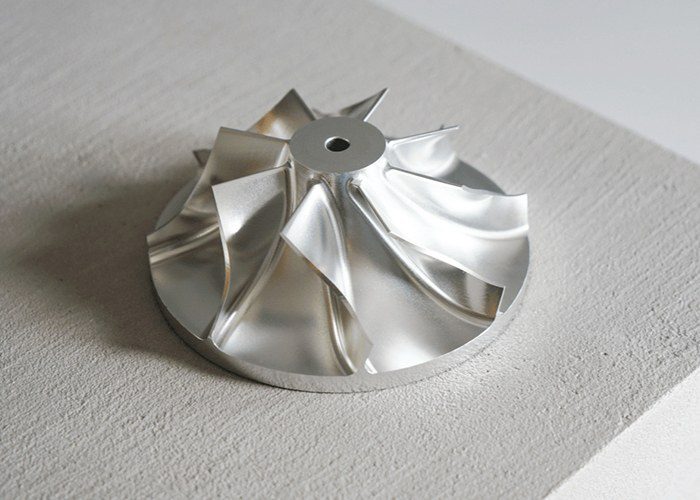
In modern manufacturing, plastics are far more than materials for injection molding or 3D printing. Computer Numerical Control (CNC) lathe machining has emerged as a critical process for producing high-precision plastic components across industries ranging from aerospace and medical devices to automotive and electronics. By combining the rotational cutting action of a lathe with computer-controlled precision, this subtractive manufacturing method transforms solid plastic rods into finished parts with exceptional accuracy and repeatability.
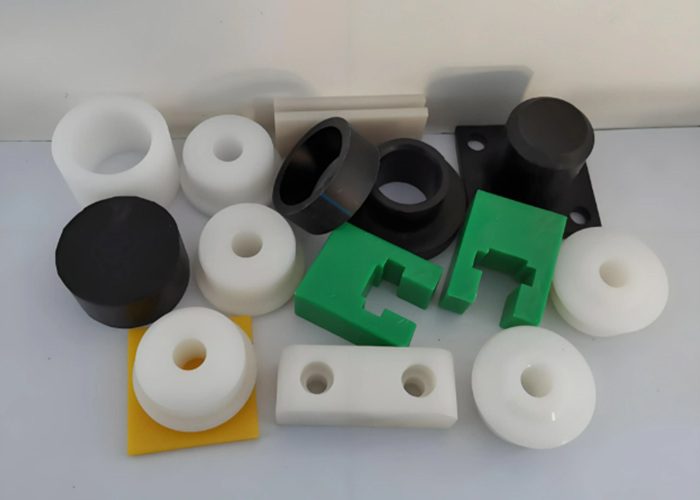
The Essence of Plastic CNC Turning
CNC lathe machining for plastics is a subtractive process in which a plastic workpiece—typically a cylindrical bar—rotates at high speed while a stationary cutting tool removes material to achieve the desired geometry. Unlike milling, where the tool itself rotates, turning is inherently suited for producing parts with axial symmetry, such as shafts, bushings, spacers, threaded components, and precision rings. Modern CNC lathes can incorporate live tooling and multiple axes, enabling operations like milling, drilling, and grooving to be completed in a single setup. Swiss-type lathes build on these capabilities by machining miniature components as small as one millimeter in diameter and achieving tolerances within five ten-thousandths of an inch, a level of precision that is indispensable for surgical instruments and implantable medical devices.
Material Selection: Matching Polymer to Application
The choice of plastic significantly influences machinability, dimensional stability, and final part performance. Acetal (Delrin®) is widely regarded as one of the easiest plastics to machine, offering excellent dimensional stability, low moisture absorption, and predictable chip formation—making it ideal for gears, bushings, and electrical insulators. Nylon (polyamide) provides high toughness and impact resistance, though its hygroscopic nature requires careful consideration during machining. At the high-performance end, PEEK (polyetheretherketone) delivers exceptional heat resistance and mechanical strength, finding applications in semiconductor equipment, aerospace components, and medical implants. PTFE (Teflon®), with its extremely low coefficient of friction, is prized for seals and chemical-resistant parts, though its softness makes maintaining tight tolerances particularly challenging. Other commonly machined plastics include ABS, polycarbonate, acrylic, and UHMW polyethylene, each offering distinct property profiles for structural, optical, or wear-resistant applications.
Why CNC Turning Over Injection Molding?
A common question in plastic manufacturing is why CNC machining remains essential when injection molding exists for high-volume production. The answer lies in flexibility and cost structure. Injection molding requires expensive mold tooling—often ranging from $5,000 to over $50,000—with lead times of several weeks. Design changes necessitate costly and time-consuming mold modifications. In contrast, CNC lathe machining requires no molds; design updates are implemented by simply modifying the CNC program. This makes CNC turning the preferred choice for prototyping, engineering samples, low-volume production runs (typically 1–500 parts), and customized components. Unlike injection-molded parts—which are susceptible to flow marks, voids, and weld lines—CNC-machined components are cut from solid bar stock, ensuring inherently superior structural integrity. For tolerance-critical applications—where dimensions must be held to ±0.01 mm or better—CNC machining often outperforms injection molding, where shrinkage complicates dimensional control.
Industrial Applications Across Sectors
The versatility of CNC-turned plastic parts has made them indispensable across numerous industries. In the medical sector, precision-turned components are used in surgical instruments, implantable devices, and diagnostic equipment, where biocompatibility and dimensional accuracy are non-negotiable. Aerospace applications demand lightweight, high-strength plastics like PEEK and polyimide for components that must withstand extreme temperatures and mechanical stresses. The automotive industry relies on CNC-turned plastic parts for lightweighting initiatives—replacing heavier metal components to improve fuel efficiency and reduce emissions. Electronics and semiconductor manufacturing utilize precision plastic insulators, connectors, and fittings that require tight tolerances and chemical resistance.
Overcoming the Challenges of Plastic Machining
Machining plastics presents unique challenges that distinguish it from metalworking. Thermal deformation is a primary concern: plastics have low thermal conductivity, and improper spindle speeds or feed rates can generate frictional heat sufficient to cause melting, warping, or dimensional instability. Insufficient material rigidity in softer plastics like PTFE and PE can lead to elastic recovery during cutting, where the material springs back and produces dimensions that differ from measured values. Chip control is another critical issue—plastics tend to produce stringy, continuous chips that can wrap around the tool, impede chip evacuation, and scratch finished surfaces. Thin-walled and slender parts are prone to clamping deformation; poor fixturing readily produces out-of-tolerance components, irrespective of the machine tool’s high precision.
Addressing these challenges requires specialized approaches: sharp, polished carbide or diamond-coated tools with positive rake angles reduce cutting forces and heat generation. Optimized feed rates and cutting speeds balance material removal efficiency with thermal management. Air blasts or mist cooling systems prevent heat buildup without degrading the plastic. Proper flute designs and peck drilling cycles facilitate chip breaking and evacuation. As industry experts note, successful plastic CNC lathe machining relies heavily on process experience and on-site judgment, rather than simply following drawings.
Quality and Tolerances
Achieving consistent quality in plastic CNC turning demands rigorous process control. General tolerances for machined plastics typically range from ±0.005 to ±0.010 inches for standard materials like ABS and HDPE. Engineering plastics such as acetal and nylon can hold ±0.002 to ±0.005 inches with proper setup. High-performance materials like PEEK and PEI achieve ±0.001 to ±0.002 inches on critical features. Surface finishes can be further enhanced through polishing, bead blasting, or vapor polishing, depending on the material and application requirements.
Conclusion
CNC lathe machining of plastic parts represents a vital manufacturing capability that bridges the gap between rapid prototyping and high-volume production. Its mold-free approach, design flexibility, and ability to achieve tight tolerances make it indispensable for applications where precision, material integrity, and rapid iteration are paramount. While mastering the thermal, mechanical, and chip-management hurdles inherent to plastics requires deep expertise, the payoff is components that deliver unwavering reliability in even the harshest industrial settings. As engineering plastics continue to evolve and industries push for lighter, stronger, and more precise components, CNC turning will remain an essential tool in the manufacturer’s arsenal.CNC Lathe Machining Plastic Parts