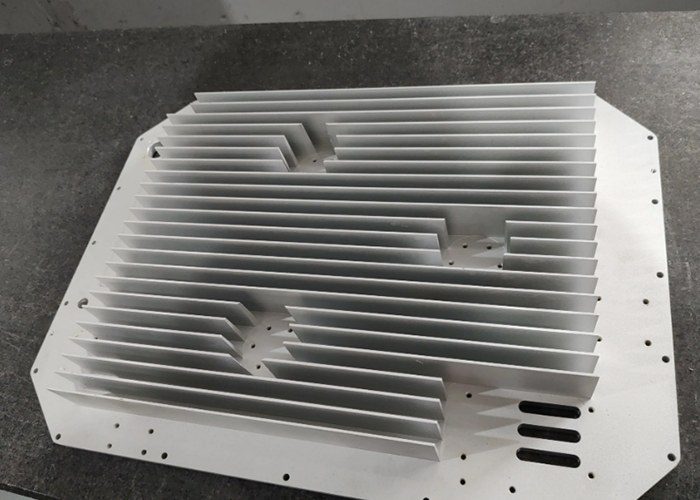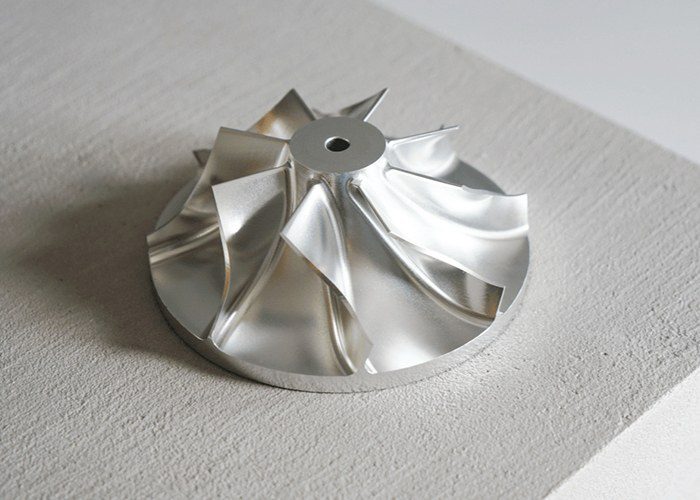
In the landscape of modern manufacturing, few material-process combinations have proven as transformative as CNC milled aluminum parts. Computer Numerical Control (CNC) milling of aluminum has become the backbone of precision engineering across virtually every industry—from aerospace and automotive to medical devices and consumer electronics. What makes this pairing so extraordinary is the perfect synergy between aluminum’s remarkable material properties and the unparalleled precision of CNC machining technology.
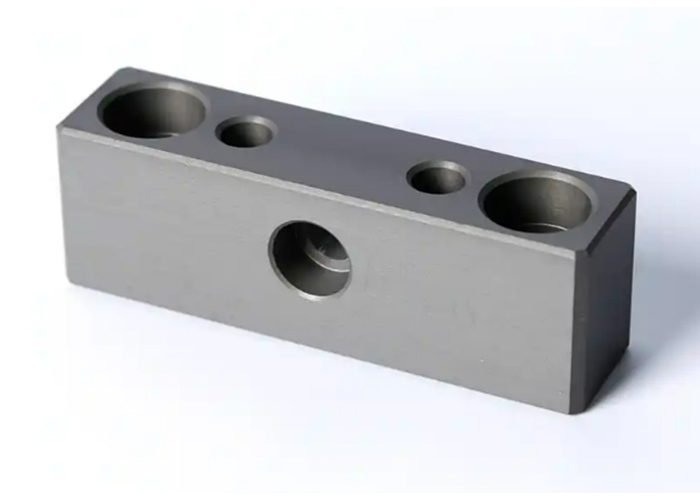
The Aluminum Advantage
For CNC milling, aluminum offers far more than mere convenience; in many ways, it is the optimal material. The metal’s exceptional machinability sets it apart from virtually every other structural material. Aluminum can be machined at speeds three to five times faster than steel, with cutting forces that are only about 30 percent of what steel demands. This translates directly into shorter cycle times, lower energy consumption, and significantly reduced production costs. A single carbide end mill that might survive 200 steel parts can easily machine over 2,000 aluminum parts before needing replacement.
The material’s strength-to-weight ratio is legendary. With a density of approximately 2.7 grams per cubic centimeter—roughly one-third that of steel—aluminum offers structural performance that satisfies demanding engineering requirements while dramatically reducing component weight. Common alloys like 6061-T6 (with 45,000 psi tensile strength) and 7075-T6 (83,000 psi tensile strength) deliver strength numbers that rival many steels at a fraction of the weight. In aerospace applications, every kilogram saved translates directly to fuel efficiency and extended range.
Aluminum also naturally forms a thin, self-healing oxide layer that protects against corrosion, meaning many aluminum parts can function without surface treatment in indoor or mild outdoor environments. Its thermal conductivity is approximately three times that of mild steel, making it the standard material for heat sinks and thermal management components. Add to this its excellent electrical conductivity—about 60 percent that of copper—and it becomes clear why aluminum dominates CNC machining work more than any other metal.
The CNC Milling Process: From Digital Design to Physical Precision
The journey of a CNC milled aluminum part begins with computer-aided design (CAD) software, where engineers create a detailed 3D model of the component. This digital blueprint is then translated into machine instructions through computer-aided manufacturing (CAM) software, which generates the precise toolpaths, cutting speeds, and feed rates that will guide the CNC machine.
Modern CNC milling centers operate with extraordinary precision. Standard machining tolerances typically range between ±0.01 millimeters and ±0.05 millimeters, with high-precision operations achieving tolerances as tight as ±0.005 millimeters. Surface finishes can reach as fine as Ra 0.8 micrometers or better. Multi-axis CNC machines—3-axis, 4-axis, and 5-axis configurations—enable the creation of complex geometries that would be impossible or prohibitively expensive with conventional machining methods.
Alloy Selection: Matching Material to Application
The choice of aluminum alloy is critical to part performance. 6061-T6 stands as the most commonly machined aluminum alloy worldwide, offering an excellent balance of strength, weldability, corrosion resistance, and machinability. It is the go-to choice for structural components, automotive parts, and general engineering applications. For applications demanding maximum strength, 7075-T6—often used in aerospace structural components and landing gear—provides exceptional performance. Other common alloys include 5052 for marine-grade applications and 2024 for high-strength aerospace components.
Surface Treatments: Enhancing Performance and Aesthetics
Post-machining surface treatments play a crucial role in extending the functionality and lifespan of aluminum CNC milled parts. Anodizing is perhaps the most common treatment, creating a protective oxide layer that dramatically improves corrosion resistance, wear resistance, and durability. Type II anodizing offers decorative finishes in a range of colors, while Type III hard anodizing provides exceptional abrasion resistance and surface hardness for demanding applications. Powder coating offers another durable, attractive finish option.
Industry Applications: Where Precision Meets Performance
The versatility of CNC milled aluminum parts is reflected in their wide-ranging applications. In aerospace, these components are found in structural brackets, housings, engine parts, wing structures, and control systems—applications where every gram of weight saved and every micron of precision matters. The automotive industry relies on aluminum CNC parts for engine components, transmission parts, heat exchangers, and battery enclosures for electric vehicles. In consumer electronics, aluminum CNC milling produces the precisely engineered housings, heat sinks, and chassis that define modern devices. The medical field depends on high-precision aluminum parts for prosthetics, implants, surgical instruments, and diagnostic equipment.
Cost-Effectiveness and Sustainability
While the initial investment in CNC equipment can be substantial, aluminum CNC milling proves remarkably cost-effective in production. Aluminum’s excellent machinability means faster cycle times, lower tool wear, and reduced energy consumption compared to steel or titanium machining. Studies indicate that aluminum CNC machining can reduce total production costs by 30 to 50 percent compared to steel.
Sustainability adds another dimension to aluminum’s appeal. Aluminum is highly recyclable, and recycling aluminum saves up to 90 percent of the energy required for primary production. CNC machining generates aluminum chips that can be collected and recycled, creating a circular economy that reduces waste and conserves resources.
The Future of CNC Milled Aluminum Parts
As manufacturing enters the era of Industry 4.0, CNC aluminum machining is evolving rapidly. Artificial intelligence is being integrated into CNC systems to optimize toolpaths, predict tool wear, and adjust machining parameters in real time. Digital twin technology enables manufacturers to simulate and optimize machining processes virtually before a single chip is cut. Automation and robotics are enhancing precision and productivity, with reports showing that automation can increase productivity by up to 30 percent.
Sustainable practices are also gaining momentum, with manufacturers adopting closed-loop CNC processes that can reduce scrap rates by 20 to 25 percent. The market for aluminum CNC machining services is projected to grow from $1.8 billion in 2026 to $3.1 billion by 2033, reflecting the enduring and expanding importance of this technology.
Conclusion
CNC milled aluminum parts represent a triumph of modern manufacturing—a perfect alignment of material science and precision engineering. The combination of aluminum’s lightweight strength, excellent machinability, corrosion resistance, and thermal conductivity with CNC technology’s precision and repeatability has created components that enable everything from supersonic flight to life-saving medical procedures. As artificial intelligence, automation, and sustainable practices continue to reshape the manufacturing landscape, CNC milled aluminum parts will remain at the forefront of innovation, delivering the precision, performance, and reliability that modern industry demands.