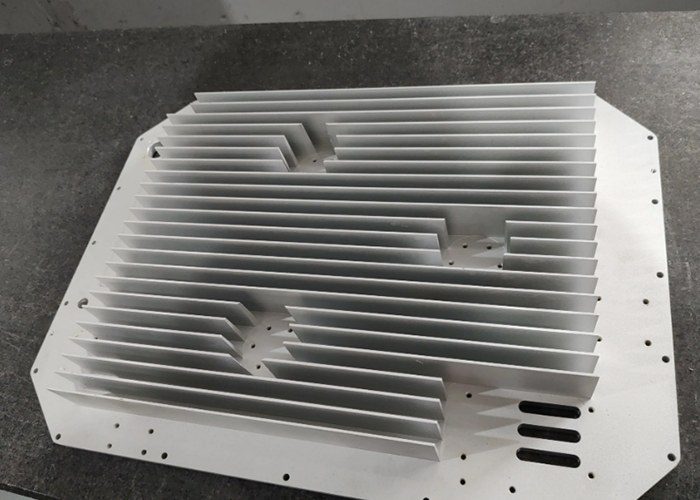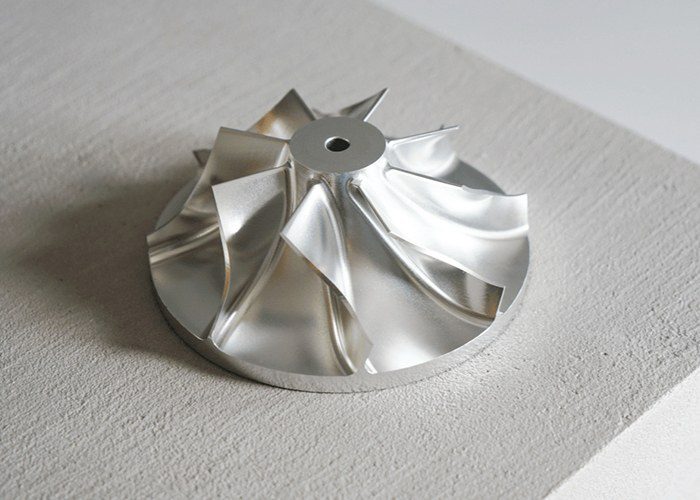
In the intricate world of modern manufacturing, where complexity meets demand for unparalleled precision and efficiency, CNC (Computer Numerical Control) machining stands as a foundational pillar. However, it is not merely the existence of CNC machines that drives industry forward, but the comprehensive CNC machining solutions they represent. These solutions combine advanced machinery, cutting-edge software, skilled engineering, and strategic processes to transform digital designs into high-precision components. This powers innovations across industries, from aerospace to everyday electronics.
At its core, a CNC machining solution is a holistic ecosystem. It begins with the machine itself—multi-axis centers (3-axis, 5-axis, or more), lathes, mills, and routers that have evolved from simple automated tools into highly intelligent systems. Modern machines offer capabilities like simultaneous multi-axis movement, allowing for the creation of incredibly complex geometries in a single setup, reducing errors and lead times. They are often integrated with automated tool changers, pallet systems, and robotic part handling, enabling lights-out manufacturing and significantly boosting productivity.
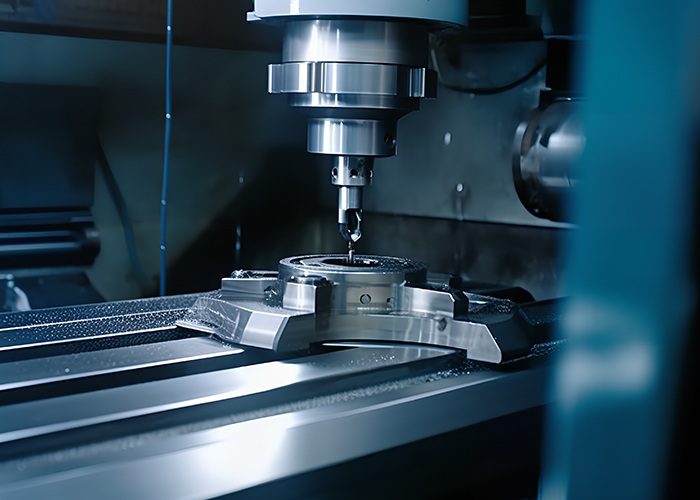
The true power of these solutions, however, is unlocked by the digital thread that connects design to finished part. Advanced CAD (Computer-Aided Design) and CAM (Computer-Aided Manufacturing) software form the brain of the operation. Engineers create detailed 3D models, which CAM software then intelligently translates into the machine language (G-code) that dictates every movement of the tool. Today’s software goes beyond basic translation; it includes simulation modules that predict and prevent collisions, optimize tool paths for speed and material conservation, and select ideal cutting parameters. This virtual prototyping minimizes costly physical trials and ensures first-part correctness.
Material versatility is another hallmark of comprehensive CNC solutions. While traditionally associated with metals like aluminum, steel, and titanium, modern CNC systems expertly handle a vast array of engineering plastics, composites, and even advanced ceramics. The solution lies in the tailored approach: selecting the appropriate machine rigidity, spindle speed, cutting tools (from carbide to polycrystalline diamond), coolants, and fixturing strategies for each specific material. This adaptability makes CNC machining indispensable across sectors. Aerospace relies on it for lightweight, high-strength components; the medical industry for sterile, biocompatible implants with micron-level tolerances; and the automotive sector for everything from prototyping to high-volume production of engine parts.
The evolution of CNC machining solutions is increasingly defined by connectivity and data—a shift toward Industry 4.0. Machines are now nodes on a networked factory floor, equipped with sensors that monitor vibration, temperature, tool wear, and power consumption in real-time. This data flow, analyzed by AI-powered platforms, enables predictive maintenance, preventing unexpected downtime. It also facilitates process optimization, where the system self-adjusts for optimal cutting conditions, ensuring consistent quality and reducing waste. Furthermore, integration with ERP (Enterprise Resource Planning) and MES (Manufacturing Execution Systems) creates a seamless flow from order intake to delivery, enhancing overall operational agility.
The benefits of implementing such integrated solutions are profound. Unmatched precision and repeatability are guaranteed, critical for industries where a micron can make a difference. Enhanced efficiency comes from reduced setup times, faster cutting speeds, and automation. Design freedom allows engineers to innovate without the constraints of traditional manufacturing, while scalability supports both one-off prototypes and large production runs from the same digital foundation.
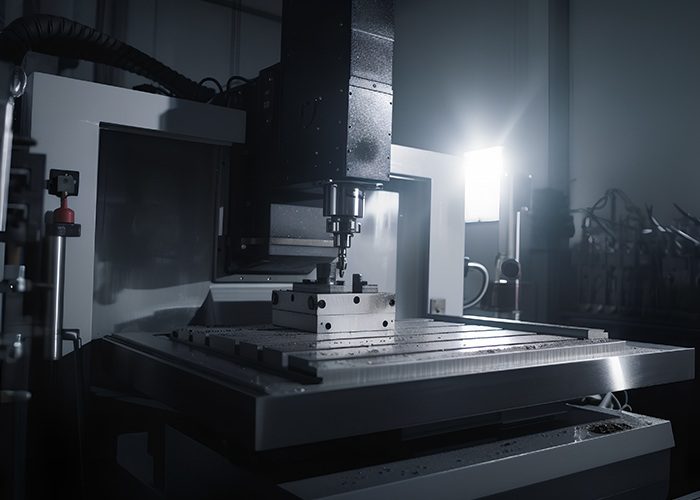
Looking ahead, the future of CNC machining solutions is one of even greater intelligence and autonomy. The convergence with additive manufacturing (3D printing) in hybrid machines is already creating new possibilities, allowing for the building of near-net shapes and the machining of critical features in a single operation. Advances in machine learning will further refine predictive analytics and adaptive control, pushing the boundaries of precision and unattended operation.
In conclusion, CNC machining solutions represent far more than automated cutting tools. They are the sophisticated, data-driven, and adaptable backbone of contemporary manufacturing. By seamlessly blending mechanical engineering, digital technology, and material science, these solutions provide the precision, flexibility, and efficiency required to build the future. As technology continues to advance, CNC machining will remain at the forefront, evolving from a tool of mere production into a central platform for innovation and competitive advantage in the global industrial landscape.