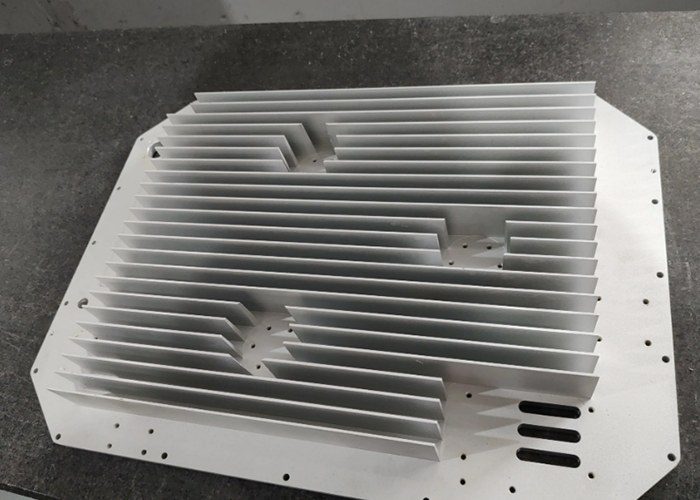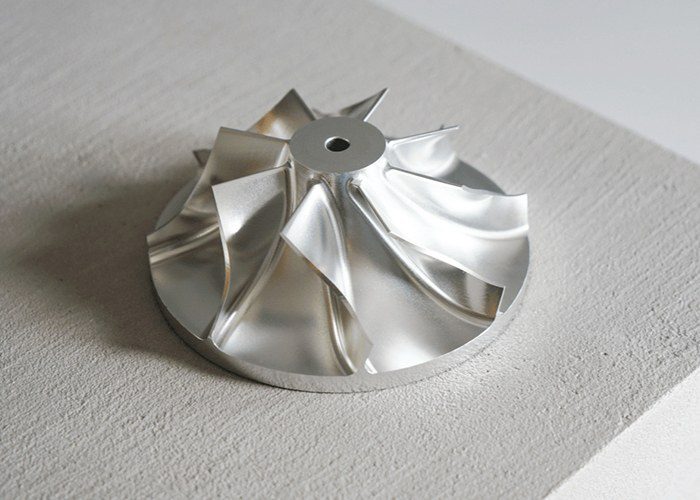
In the modern industrial landscape, precision is not merely a desirable attribute—it is an absolute necessity. From the intricate components of a jet engine to the life-saving implants used in orthopedic surgery, the world runs on parts that fit, function, and fail only after thousands of hours of operation. At the heart of this ecosystem lies CNC machining, the technological cornerstone for producing high-quality precision machined parts. This article explores the process, its critical advantages, the materials involved, and the ever-evolving future of this manufacturing powerhouse.
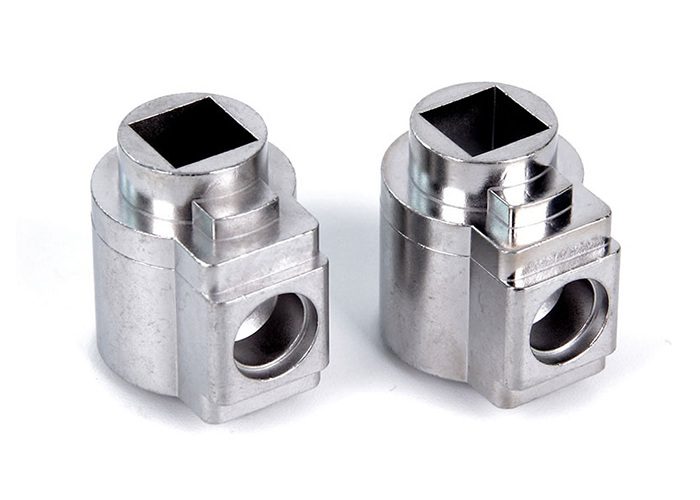
What is CNC Machining?
CNC stands for Computer Numerical Control. Unlike conventional manual machining, where an operator uses levers and wheels to guide cutting tools, CNC machining relies on pre-programmed computer software to dictate the movement of factory machinery. This digital instruction set—often generated from a CAD (Computer-Aided Design) file—translates a 3D model into precise coordinates and commands for lathes, mills, routers, or grinders.
When we speak of precision machined parts, we refer to components manufactured to extremely tight tolerances, often measured in microns (thousandths of a millimeter). A CNC machine can consistently hold tolerances of ±0.005 inches or tighter, a level of repeatability that manual processes cannot achieve. This makes CNC the default choice for industries where even a hair’s breadth of error can lead to catastrophic failure.
Key Advantages Over Traditional Methods
Why has CNC machining become the gold standard for precision parts? The answer lies in three core benefits: accuracy, repeatability, and complexity.
First, accuracy is baked into the process. Once a program is verified, the machine executes it with unwavering fidelity. Second, repeatability means that the first part and the ten-thousandth part are virtually identical. For mass production, this consistency eliminates costly rework and scrap. Third, complexity—CNC machines, especially 5-axis milling centers, can produce geometries impossible to create manually. Undercuts, deep cavities, freeform curves, and intricate hole patterns become routine operations.
Furthermore, automation reduces human error. While a manual machinist might tire or lose focus after hours of repetitive work, a CNC machine can run 24/7 with lights-out manufacturing, stopping only for tool changes or maintenance.
Materials Commonly Machined
Precision machined parts are not confined to a single material family. CNC technology is highly versatile, working with:
- Metals: Aluminum (6061, 7075), stainless steel (303, 304, 17-4), brass, copper, titanium, Inconel, and tool steels.
- Plastics: Acrylic, Delrin (acetal), nylon, PEEK, polycarbonate, and Teflon.
- Composites and Exotics: Carbon fiber, ceramics (with diamond tooling), and even wood for specialized applications.
Each material requires specific cutting speeds, feeds, coolant strategies, and tool geometries. For example, machining titanium demands rigid setups and low speeds to prevent work hardening, while aluminum allows high-speed cutting for rapid material removal.
Quality Control and Measurement
Producing a precision part is one thing; proving it meets specifications is another. Reputable CNC shops invest heavily in metrology. Common tools include:
- Coordinate Measuring Machines (CMMs): Touch-probe systems that map a part’s surface in 3D to compare against the CAD model.
- Optical Comparators and Vision Systems: For measuring small features, threads, and complex contours.
- Surface Roughness Testers: To ensure Ra values meet functional or aesthetic requirements.
- Go/No-Go Gauges: Quick pass-fail checks for high-volume runs.
Statistical process control (SPC) is often implemented, where measurements are logged and analyzed to detect trends before parts drift out of tolerance.
Applications Across Industries
Precision machined parts are everywhere, though often hidden from plain sight:
- Aerospace: Turbine blades, landing gear brackets, fuel system fittings, and structural ribs. Here, failure is not an option, and traceability is mandatory.
- Medical: Surgical instruments, bone screws, spinal cages, and dental implants. Biocompatibility and surface finish are critical.
- Automotive: Engine blocks, transmission shafts, brake calipers, and sensor housings for both conventional and electric vehicles.
- Electronics: Heat sinks, connectors, enclosures, and semiconductor manufacturing components.
- Defense and Oil & Gas: Valves, ordnance components, and downhole tools that must withstand extreme pressures and corrosive environments.
The Future of CNC Precision Machining
The field is far from static. Several trends are shaping the next generation of precision parts:
- Hybrid Manufacturing: Combining additive (3D printing) with subtractive (CNC) processes. A part can be near-net-shape printed with metal powder, then finish-machined to tight tolerances, saving material and time.
- Smart Machining (Industry 4.0): Sensors embedded in spindles, axes, and tool holders monitor vibration, temperature, and load. Predictive algorithms detect tool wear or chatter before it affects part quality, allowing proactive adjustments.
- Micro-Machining: As devices shrink, so do their components. CNC micro-mills and micro-EDM machines produce features as small as 50 microns, enabling medical micro-implants and micro-fluidic devices.
- Sustainable Practices: Dry machining (using compressed air instead of coolant), minimum quantity lubrication (MQL), and recycling metal chips are becoming standard to reduce environmental impact.
Conclusion
CNC Machining Precision Machined Parts is not simply a manufacturing process; it is the language through which engineering ideas become tangible, reliable realities. The ability to turn a digital design into a physical object with micron-level accuracy has enabled everything from the smartphone in your pocket to the satellite in orbit. As materials become harder, tolerances tighter, and geometries more outlandish, CNC technology continues to evolve—driven by an insatiable demand for perfection. For any industry that values performance, safety, and longevity, precision machined parts will remain indispensable, and CNC machining will be the tool that delivers them.