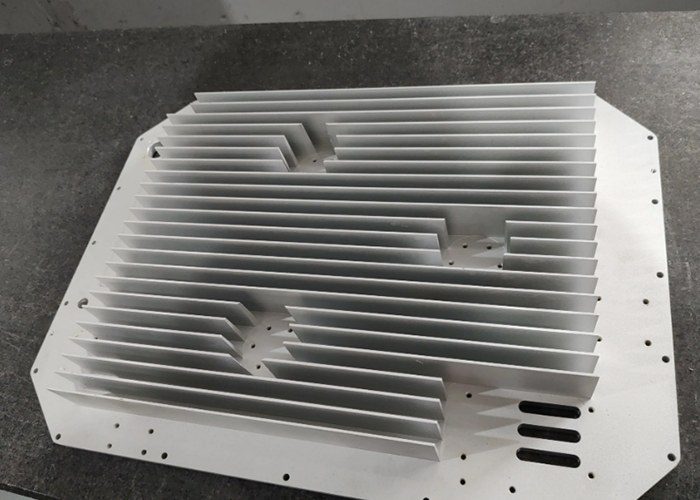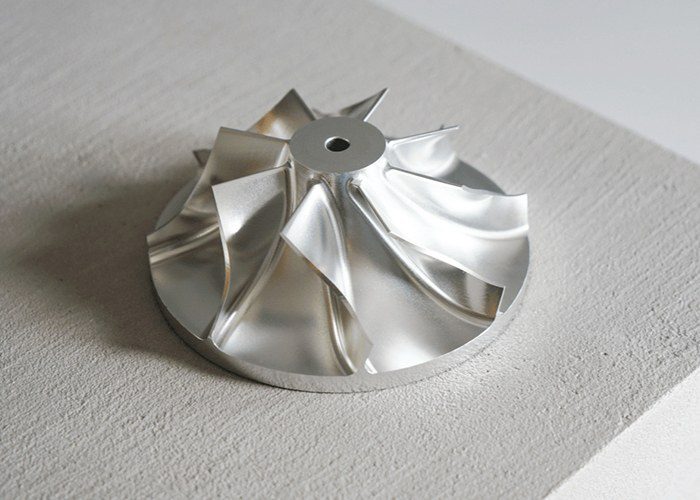
In the intricate ecosystem of modern manufacturing, the selection of a CNC machining parts supplier is far more than a simple procurement decision; it is a strategic partnership that directly impacts product quality, innovation speed, and market competitiveness. CNC (Computer Numerical Control) machining stands as a cornerstone of precision manufacturing, and the suppliers who master this technology are the unsung enablers of industries ranging from aerospace and medical devices to automotive and consumer electronics. Choosing the right one is paramount.
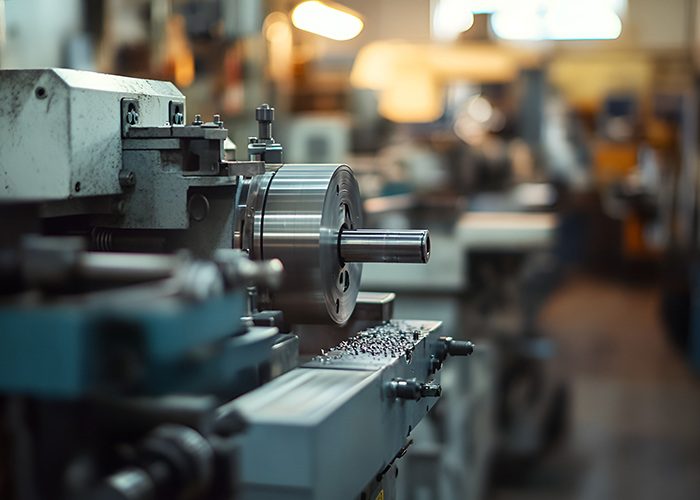
The hallmark of a superior CNC machining parts supplier lies in its technological capability and capacity. It’s not merely about possessing machines, but about deploying the right ones with expertise. A leading supplier will typically house a versatile fleet of multi-axis CNC mills and lathes—3-axis, 4-axis, and 5-axis machining centers. This allows them to produce geometries of astounding complexity in a single setup, reducing lead times and enhancing accuracy. Beyond the standard, advanced suppliers invest in technologies like Swiss-type lathes for tiny, high-volume components, or integrate CNC machining with complementary processes such as EDM (Electrical Discharge Machining) for hardened materials or intricate cavities. Their value is amplified by mastery over a vast material library, from common aluminum and stainless-steel alloys to exotic titanium, Inconel, and engineering plastics like PEEK, each demanding specific machining strategies.
However, machinery is useless without the bedrock of quality assurance. A world-class supplier distinguishes itself through a deeply ingrained quality culture, often certified under international standards like ISO 9001 and AS9100 for aerospace. Precision is verified at every stage. This involves the use of advanced metrology equipment—Coordinate Measuring Machines (CMM), optical comparators, and surface profilometers—to validate that every dimension, tolerance (often down to microns), and surface finish meets the strictest specifications. Crucially, they implement a robust First Article Inspection (FAI) process and provide detailed documentation (including material certifications and inspection reports), ensuring full traceability. This is not just about checking boxes; it’s about building unwavering confidence and facilitating compliance in highly regulated sectors.
The role of a modern CNC supplier has evolved from a passive job-shop to an active engineering collaborator. This is where the true strategic partnership forms. Early supplier involvement (ESI) is a key benefit. By consulting with the supplier’s engineers during the design for manufacturability (DFM) phase, clients can optimize their parts for efficient production. Experienced suppliers can suggest subtle tweaks to wall thickness, internal radii, or feature accessibility that dramatically reduce machining time, minimize material waste, lower costs, and improve the part’s inherent strength—all without compromising its function. Their expertise transforms a good design into a manufacturable, reliable, and cost-effective product.
Furthermore, scalability and supply chain resilience are critical considerations. A proficient supplier operates with agile production workflows, capable of handling everything from rapid prototyping and low-volume batches to full-scale production runs. They provide a seamless bridge from prototype validation to market launch. In today’s globalized landscape, their logistical competence, transparent communication, and use of digital tools for order tracking are essential. They act as a stable, responsive node in the supply chain, mitigating risks associated with delays or quality inconsistencies.
Ultimately, partnering with a professional CNC machining parts supplier is an investment in core competency outsourcing. This enables OEMs to focus on their core strengths—R&D, design, and marketing—while capitalizing on the supplier’s specialized capital, expertise, and operational efficiency. The cost calculus shifts from mere piece-price to total value: the value of speed-to-market, the value of zero-defect quality, the value of engineering insight, and the value of a reliable extension to your manufacturing team.
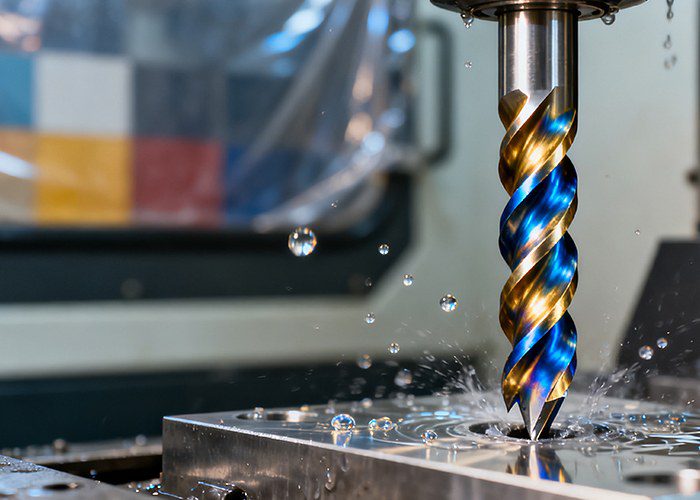
In conclusion, a CNC machining parts supplier is not just a vendor; it is a critical enabler of precision and innovation. The right partner combines state-of-the-art technology with rigorous quality systems, proactive engineering support, and operational flexibility. This holistic capability ensures that the components they deliver are more than just metal or plastic—they are the perfected, reliable building blocks upon which successful products and advanced industries are built. Choosing wisely is a decisive step toward manufacturing excellence.